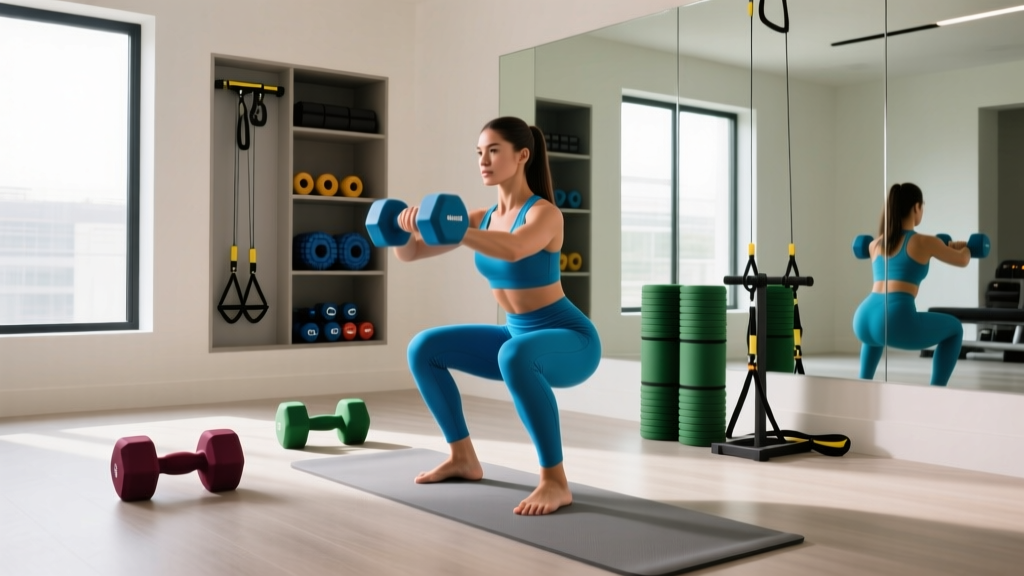
Chest Fly Dumbbell Alternative: Adjustable Dumbbell Mistakes & Fixes
Troubleshoot common mistakes when using adjustable dumbbells as a chest fly alternative. Compare top models for clearance, grip, and pec isolation.

The Biomechanical Flaw: Why Adjustables Complicate the Chest Fly
Building a home gym often means sacrificing space, making adjustable dumbbells a staple for millions of lifters. When it comes to chest isolation, many athletes use these space-savers as a primary chest fly dumbbell alternative to expensive cable crossover machines or bulky pec decks. However, treating an adjustable dumbbell exactly like a traditional fixed hex dumbbell during a chest fly is a fast track to stalled hypertrophy and shoulder impingement.
The core issue lies in the physics of the equipment. According to the ExRx exercise directory, the dumbbell chest fly relies on a specific resistance curve where tension peaks at the bottom of the eccentric stretch and drops to near-zero at the top. Adjustable dumbbells alter this curve due to their elongated shafts and shifted centers of mass. If you are troubleshooting stubborn chest development or joint pain, the fault likely lies in how your adjustable dumbbells interact with your bench height and shoulder mechanics.
2026 Adjustable Dumbbell Comparison: Which Model Wins for Pec Isolation?
Not all adjustable dumbbells are created equal. The physical footprint of the dumbbell dictates your range of motion (ROM) during a fly. Below is a comparison of the three market leaders, evaluated specifically through the lens of chest fly performance and clearance.
| Model | Max Weight | Total Length | Shape Profile | Fly Suitability | 2026 Price Range |
|---|---|---|---|---|---|
| Bowflex SelectTech 552 | 52.5 lbs | 16.9 inches | Elongated / Blocky | Poor (Clearance issues) | $399 - $429 |
| PowerBlock Elite EXP | 50 lbs (Base) | 12.0 inches | Compact / Caged | Fair (Wrist strain risk) | $329 - $349 |
| Nuobell 80 | 80 lbs | 16.5 inches | Traditional / Tapered | Excellent (Best feel) | $479 - $529 |
Bowflex SelectTech 552: The Clearance Nightmare
The Bowflex 552 is arguably the most popular adjustable dumbbell on the market, but its 16.9-inch length is a massive liability for chest flies. A standard weight bench sits roughly 17 to 18 inches off the floor. When you lower the Bowflex 552 into the deep eccentric stretch of a fly, the elongated plastic weight plates will physically strike the floor or the bench legs before your pectorals achieve a full stretch. This artificially shortens your ROM, robbing you of the mechanical tension required for muscle growth.
PowerBlock Elite EXP: The Wrist-Strain Trap
PowerBlocks solve the length issue with a compact 12-inch footprint, but their boxy, caged design creates a different problem. During the bottom phase of a chest fly, your wrists naturally supinate and extend slightly. The rigid steel cage of the PowerBlock restricts this micro-movement, forcing the wrist into an unnatural, locked position. Over multiple sets, this transfers excessive shear force to the radiocarpal joint, leading to wrist fatigue long before your pecs reach failure.
Nuobell 80LB: The Closest Fixed-Dumbbell Feel
If you are strictly using your equipment as a chest fly dumbbell alternative, the Nuobell 80 is the superior choice. Its twist-handle selector mechanism allows the weight plates to stack tightly around a traditional knurled steel handle. While it is still 16.5 inches long at max weight, the weight distribution mimics a fixed dumbbell, keeping the center of mass closer to your palm and reducing the moment arm on your shoulder joint.
3 Common Mistakes When Using Adjustables for Chest Flies
Even with the right equipment, lifters frequently make critical errors when transitioning from fixed dumbbells to adjustables for isolation movements.
⚠️ Safety Warning: The Moment Arm IllusionA 40lb Bowflex 552 does not feel like a 40lb fixed hex dumbbell at the bottom of a fly. Because the added weight plates sit on the extreme outer edges of the 16.9-inch shaft, the center of mass is pushed further away from your hand. This increases the moment arm (the distance from the axis of rotation in your shoulder to the weight's center of mass). The result? A 40lb adjustable dumbbell can exert the same rotational torque on your shoulder as a 50lb fixed dumbbell, drastically increasing the risk of distal pec tears.
Mistake 1: Ignoring Bench Height (The ROM Killer)
As mentioned, floor clearance is the enemy of the adjustable dumbbell fly. Lifters often lie flat on a standard bench and wonder why they don't feel a deep stretch in their chest. They are unknowingly performing a "floor-press fly" where the equipment hits the ground at 45 degrees of shoulder extension, completely bypassing the most hypertrophic portion of the movement.
Mistake 2: Overloading the Eccentric Phase
Because adjustable dumbbells lack the tactile, balanced feel of cast-iron hex dumbbells, lifters often overestimate their strength. The National Strength and Conditioning Association (NSCA) emphasizes that eccentric overload is a primary driver of delayed onset muscle soreness (DOMS) and connective tissue strain. Using the same weight for adjustable flies as you do for fixed dumbbell presses is a recipe for sternum pain and bicep tendonitis.
Mistake 3: Gripping the Selector Collars
To compensate for the bulky ends of dial-based adjustable dumbbells, some lifters shift their grip outward, wrapping their pinkies over the plastic selector dials or retaining collars. This not only compromises grip strength but can accidentally disengage the weight plates mid-rep if the dial is bumped against your thigh or the bench during the setup phase.
Troubleshooting Your Setup: Actionable Fixes for Home Gyms
You don't necessarily need to buy a $2,000 cable machine to fix these issues. Here is how to troubleshoot and optimize your current adjustable dumbbells for chest flies.
- The Bench Riser Hack: If you own Bowflex or Nuobell dumbbells, you must increase your bench height to achieve full ROM. Purchase four 2-inch thick rubber pavers or heavy-duty yoga blocks and place them under your bench legs. This elevates the bench to roughly 20 inches, providing the necessary floor clearance for a full 90-degree shoulder extension without the plastic plates scraping the floor.
- Implement Micro-Loading: Because of the increased moment arm and torque on the shoulder joint, you should drop your working weight by 15-20% when switching from fixed to adjustable dumbbells for flies. Use models that allow 2.5 lb increments (like the PowerBlock or Bowflex) to slowly rebuild your working weight over a 6-week mesocycle.
- Modify the Elbow Angle: To protect the anterior deltoid and bicep tendon, do not perform flies with a perfectly straight arm. Maintain a fixed 15-to-20-degree bend in the elbow. As noted by experts at the Cleveland Clinic regarding shoulder joint care, keeping the elbow slightly flexed and tracking directly over the ribcage (rather than flaring out toward the neck) prevents the humeral head from impinging the rotator cuff tendons against the acromion.
Frequently Asked Questions
Are adjustable dumbbells safe for chest flies?
Yes, but only if you account for their physical dimensions. The primary safety risk is not the weight dropping, but the altered center of mass placing unexpected torque on the shoulder joint, and the elongated shafts limiting your range of motion. Always drop your working weight by 10-15% compared to fixed dumbbells when performing isolation movements.
Which adjustable dumbbell is best for chest isolation?
The Nuobell 80 offers the most traditional dumbbell feel and weight distribution, making it the best choice for chest flies. However, if you are on a budget and own PowerBlocks, their compact length prevents floor-strike issues, provided you wear wrist wraps to stabilize the joint against the cage's rigid geometry.
Can I use resistance bands instead of adjustable dumbbells for flies?
Resistance bands actually provide a superior resistance curve for chest flies compared to dumbbells. While dumbbells lose tension at the top of the concentric contraction, bands provide peak tension at full adduction (when your hands are closest together). Many home gym owners use a hybrid approach: performing heavy adjustable dumbbell presses for mechanical tension, and finishing with band crossovers for metabolic stress.
More gear to consider
All reviews
Kettlebell Care for Women with Dumbbells: Cast Iron vs Competition
Fixing Dumbbell Nan Kilo Errors: Adjustable Weight Troubleshooting

Bent Row with Dumbbells vs Barbell: Olympic vs Standard Plates
Dumbbell Rack Care for Your Inner Thigh Dumbbell Workout
Bumper vs Iron Plates: Layouts & Dumbbell Squats Muscles Worked