
Olympic Barbell Guide: Weight, Knurling & Lateral Lunges Dumbbells
Master your home gym setup with our beginner step-by-step guide to Olympic barbell weight, knurling types, and selecting lateral lunges dumbbells.

Building Your Free-Weight Foundation: A Step-by-Step Guide
Stepping into the world of free weights can feel overwhelming. Between the jargon of tensile strength, shaft diameters, and knurling patterns, beginners often end up buying equipment that doesn't match their training goals. As of 2026, the home fitness market is saturated with options, but building a reliable, injury-free foundation requires focusing on two main pillars: a high-quality Olympic barbell for heavy bilateral loading, and specialized dumbbells for unilateral, multi-planar movements.
This step-by-step guide will walk you through exactly how to evaluate Olympic barbell weight tolerances and knurling types. Then, we will transition to the frontal plane of motion, showing you how to select the best lateral lunges dumbbells to ensure balanced, functional strength development.
Step 1: Demystifying Olympic Barbell Weight and Dimensions
The standard Olympic barbell is a 7-foot-long steel shaft designed to hold plates with 2-inch diameter center holes. However, not all 7-foot bars are created equal. The internal steel composition and shaft diameter dictate how the bar performs under load.
Understanding Tensile Strength (PSI)
Tensile strength measures the maximum stress the steel can withstand before permanently bending or breaking. It is measured in PSI (pounds per square inch).
- Under 150,000 PSI: Avoid these. They are prone to permanent bending if dropped during deadlifts or heavy squats.
- 165,000 to 190,000 PSI: The sweet spot for beginners and intermediate lifters. Bars in this range, like the popular Rogue Echo Bar, offer excellent durability without the premium price tag of elite competition bars.
- 190,000 to 215,000+ PSI: Reserved for advanced powerlifters and Olympic weightlifters who routinely drop maximal loads from overhead.
Shaft Diameter: Grip and Whip
The diameter of the barbell shaft directly impacts your grip and the bar's 'whip' (flexibility during dynamic movements).
Quick Measurement Guide:28mm: Standard for Olympic weightlifting. Maximizes whip and accommodates smaller hands for the hook grip.
28.5mm: The ultimate multipurpose diameter. Ideal for beginners doing a mix of squats, presses, and deadlifts.
29mm - 32mm: Strictly for powerlifting. The thicker shaft minimizes whip during heavy bench presses and squats but can be harsh on the hands during high-rep dynamic work.
Step 2: Choosing the Right Barbell Knurling Pattern
Knurling is the cross-hatched machining on the steel shaft that creates friction against your skin. According to BarBend's comprehensive knurling guide, the shape and depth of the knurl dramatically alter your lifting experience. Beginners should avoid aggressive knurling that tears calluses and instead look for patterns that provide security without pain.
| Knurl Type | Shape Profile | Best For | Example Model (2026) |
|---|---|---|---|
| Hill | Rounded peaks, shallow valleys | High-rep conditioning, beginners with sensitive hands | Eleiko Sport Training Bar |
| Volcano | Rimmed peaks with a small crater in the center | Multipurpose lifting, provides grip without tearing skin | Rogue Ohio Bar |
| Mountain | Sharp, aggressive, pointed peaks | Heavy 1-Rep Max deadlifts, advanced powerlifters | Rep Fitness Excalibur II |
Pro Tip: Always look for a barbell with dual knurl marks. The inner rings are for Olympic weightlifting (snatch width), while the outer rings are for powerlifting (bench press width).
Step 3: Supplementing with Unilateral Movements
While the barbell is king for absolute sagittal-plane strength (squats, deadlifts, presses), it masks left-to-right muscle asymmetries and neglects the frontal plane. This is where dumbbells become mandatory for a complete physique. Specifically, lateral movements are crucial for hip mobility, adductor strength, and knee stability.
Selecting the Best Lateral Lunges Dumbbells
When outfitting your home gym, sourcing the right lateral lunges dumbbells is just as critical as picking your main barbell. Unlike standard bicep curls, lateral lunges require you to hold the weights at your sides or in a goblet position while shifting your center of mass sideways.
If you are specifically shopping for lateral lunges dumbbells, prioritize the following features:
- Hexagonal Profile: Round dumbbells will roll away when you set them down between sets or if you drop them during a fatigued lateral lunge. Hex-shaped dumbbells stay planted on the floor.
- Urethane vs. Rubber Coating: As of 2026, premium urethane coatings are highly recommended over cheap virgin rubber. Urethane doesn't emit a toxic off-gassing odor in enclosed home gyms and resists cracking over time.
- Weight Increments: Beginners should purchase pairs in 15 lb, 25 lb, and 35 lb increments. The lateral lunge places immense eccentric load on the adductors; jumping up in weight too quickly is a primary cause of groin strains.
Step 4: Step-by-Step Execution for Frontal Plane Strength
Proper biomechanics are essential when loading the frontal plane. The American Council on Exercise (ACE) emphasizes hip-hinge mechanics during lateral movements to protect the knee joint.
"The lateral lunge is a fundamental movement pattern that enhances agility and strengthens the muscles responsible for deceleration and change of direction. Proper knee tracking over the toes is vital to prevent valgus collapse." — ACE Exercise Library Guidelines
Execution Steps:
- Stand with your feet together, holding your selected dumbbells at arm's length by your sides (suitcase grip) or held vertically at chest height (goblet grip).
- Take a wide, controlled step directly out to your right side.
- Keep your left leg completely straight while pushing your hips back and bending your right knee.
- Descend until your right thigh is parallel to the floor, ensuring your right knee tracks in line with your right toes.
- Drive through the mid-foot of your right leg to explosively return to the starting position.
Step 5: Building Your First Free-Weight Routine
To synthesize your new barbell and dumbbell equipment, implement this beginner-friendly lower-body template twice a week. This routine balances heavy bilateral loading with unilateral frontal-plane stabilization.
| Exercise | Equipment | Sets x Reps | Rest | Focus |
|---|---|---|---|---|
| Barbell Back Squat | 28.5mm Multipurpose Barbell | 3 x 6-8 | 120 sec | Sagittal strength, core bracing |
| Dumbbell Lateral Lunge | Hex Urethane Dumbbells | 3 x 8-10 / leg | 90 sec | Adductor stretch, frontal stability |
| Romanian Deadlift | Olympic Barbell | 3 x 8-10 | 120 sec | Hamstring eccentric loading |
| Goblet Reverse Lunge | Single Heavy Dumbbell | 2 x 12 / leg | 60 sec | Quad isolation, balance |
Troubleshooting Common Beginner Mistakes
Even with the best equipment, beginners often encounter friction points in their training. Here is how to troubleshoot the most common issues related to your new free-weight gear:
- Barbell Slipping on the Rack: If your barbell slides on the J-cups during squats, ensure your bar has center knurling. While some modern multipurpose bars omit it, a center knurl acts as a grip anchor against your back and the plastic of the J-cup.
- Wrist Pain During Goblet Lunges: If holding a heavy dumbbell vertically for lunges hurts your wrists, switch to the suitcase grip (holding two lighter dumbbells at your sides). This removes wrist extension demands while still loading the lower body.
- Barbell Oxidation: If you bought a bare steel or black oxide barbell, it requires maintenance. Wipe it down with a nylon brush and apply a light coat of 3-in-One oil monthly to prevent rust, especially in humid garage gyms.
Final Thoughts on Budgeting Your Setup
Building a commercial-grade home gym doesn't require a $5,000 budget. In 2026, you can secure a highly capable 20kg multipurpose barbell with volcano knurling for roughly $280. Pair this with a set of hex urethane dumbbells ranging from 15 to 35 lbs (approximately $180 for the pairs), and you have a complete, joint-friendly lower-body arsenal. By understanding the nuances of steel tensile strength, knurling geometry, and the specific requirements of lateral lunges dumbbells, you are now equipped to make informed, lifelong investments in your fitness journey.
More gear to consider
All reviews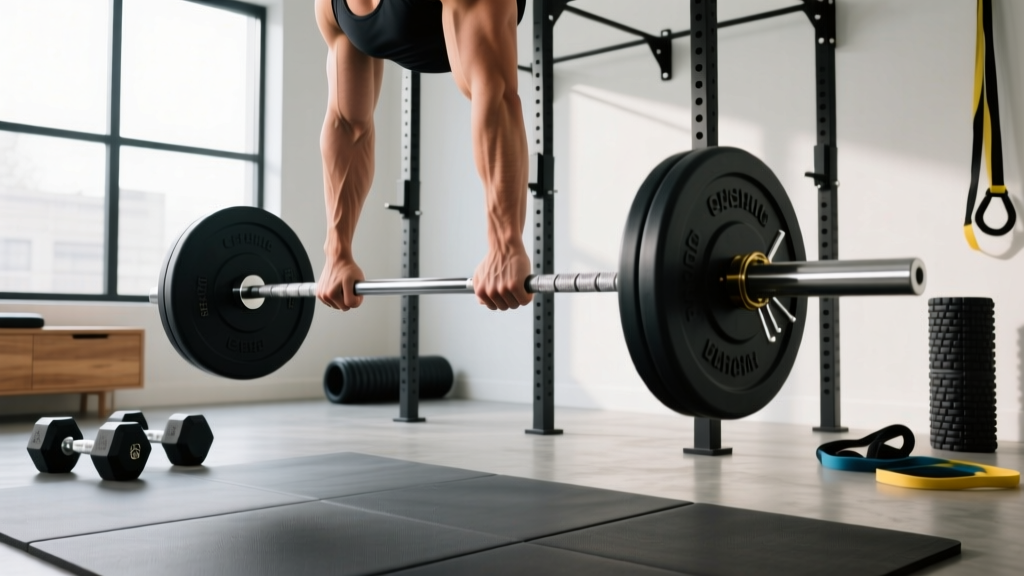
Beyond Seated Dumbbell Workouts: Barbell Weight & Knurl Guide
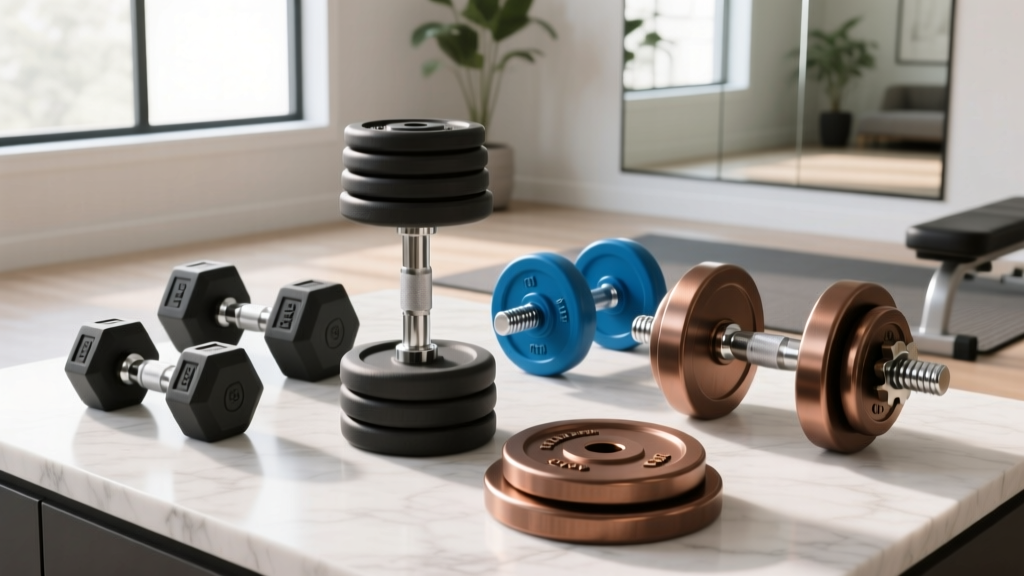
Budget Breakdown: Loadable Dumbbells for Dumbbell Stationary Lunges

Best Loadable Dumbbells for Standing Dumbbell Twists
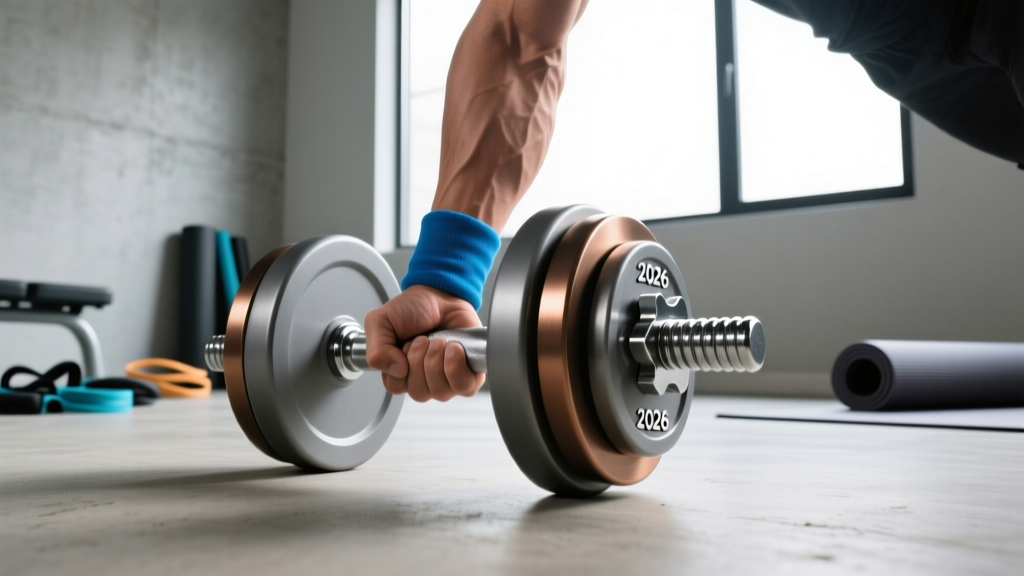
Loadable Dumbbells for the One Arm Incline Dumbbell Press: 2026 Trends

Rubber Hex vs Urethane: 2026 Trends for Deltoids Dumbbell Exercises
