Neoprene Dumbbell Station Setup: What Does One Arm Dumbbell Row Work?
Master your home gym neoprene dumbbell station setup and learn exactly what does one arm dumbbell row work for optimal back development and floor protection.

The Physical Installation: Building Your Neoprene Station
Setting up a dedicated home gym corner requires more than just buying equipment; it demands a strategic approach to spatial planning, floor protection, and biomechanical alignment. Neoprene-coated dumbbells are a staple in residential fitness spaces because their synthetic rubber exterior dampens sound and prevents catastrophic damage to hardwood or laminate flooring. However, to maximize their utility, your physical "installation" must be optimized for heavy compound movements.
Flooring and Shock Absorption
While neoprene is forgiving, dropping a 50-pound dumbbell from shoulder height still transfers significant kinetic energy. For a permanent home station, install 3/4-inch thick vulcanized rubber horse stall mats (typically 4x6 feet, costing around $50-$60 per mat from agricultural suppliers). Unlike interlocking foam puzzle mats—which compress and destabilize your stance during heavy rows—vulcanized rubber provides a dense, unyielding base that ensures proper force transfer from your feet through your kinetic chain.
Storage Rack Configuration
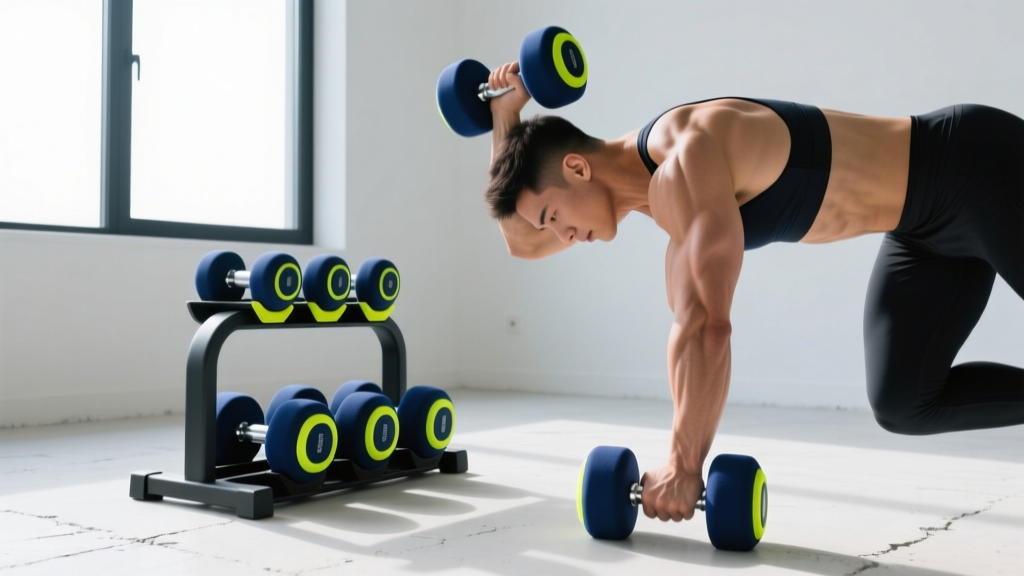
Neoprene dumbbells are almost exclusively sold as fixed-weight pairs. To keep your workout area clear and safe, invest in a 3-tier A-frame or horizontal rack. The CAP Barbell FID-72 A-Frame Rack (approx. $85) is an industry standard for home use, accommodating weights from 5 to 50 lbs while keeping the footprint under 3 square feet. Position the rack exactly 18 inches to the left or right of your workout bench to allow for seamless weight transitions without breaking your heart rate zone.
Biomechanical Setup: What Does One Arm Dumbbell Row Work?
Once your physical station is installed, the next phase is the biomechanical setup of your body. When analyzing pulling mechanics, beginners and intermediate lifters often ask: what does one arm dumbbell row work exactly? According to the ExRx.net biomechanical directory, this unilateral movement is a compound exercise that targets multiple muscle groups across the posterior chain.
- Primary Movers: Latissimus dorsi (lats) and teres major. The row emphasizes the lower and middle fibers of the lats, crucial for back thickness.
- Synergists: Rhomboids, middle and lower trapezius, posterior deltoids, and the brachialis/biceps brachii.
- Stabilizers: Erector spinae, external obliques, and the transverse abdominis, which work isometrically to prevent spinal rotation.
The unilateral nature of the exercise allows for a greater range of motion (ROM) than bilateral barbell rows, enabling the shoulder blade to protract fully at the bottom and retract aggressively at the top. The American Council on Exercise (ACE) notes that this anti-rotational core demand makes the one-arm row superior for addressing left-to-right muscular imbalances.
The 4-Point Stance Walkthrough
Proper setup dictates the success of the lift. Follow this step-by-step installation of your body mechanics:
- Bench Height: Use a flat utility bench set between 14 and 18 inches high. If the bench is too high, you will lose the necessary hip hinge angle.
- Base of Support: Place your non-working knee and same-side hand flat on the bench. Your working leg should be extended back and slightly outward, creating a stable tripod base.
- Spinal Alignment: Hinge at the hips until your torso is nearly parallel to the floor. Maintain a neutral cervical spine (look at the bench, not the mirror).
- The Pull: Initiate the movement by driving the elbow toward the ceiling, keeping the humerus close to the ribcage to isolate the lats and minimize rear deltoid takeover.
Many lifters mistakenly pull the dumbbell toward their chest or armpit. This shifts the load away from the latissimus dorsi and places undue stress on the biceps and anterior shoulder capsule. Always cue the pull toward your hip pocket to ensure optimal lat engagement.
Material Science: Neoprene vs. Urethane vs. Rubber
Understanding why you chose neoprene for your home setup requires looking at the material science of dumbbell coatings. Neoprene (polychloroprene) is a soft, porous synthetic rubber. While excellent for floor protection, it behaves differently under the stress of heavy, sweaty rows compared to other materials.
| Material | Shore Hardness | Sweat Resistance | Best Home Use Case |
|---|---|---|---|
| Neoprene | Soft (75-80A) | Moderate (Degrades with high acidity) | Light/Medium rows, HIIT, floor-safe drops |
| Urethane | Hard (85-90A) | Exceptional (Non-porous) | Heavy powerlifting, commercial-grade home gyms |
| Virgin Rubber | Medium (80-85A) | Good (Can off-gas over time) | Garage gyms, heavy drops, budget-friendly |
Edge Cases: Grip Degradation and Sweat Acidity
When performing high-volume one-arm rows (e.g., 4 sets of 12-15 reps), grip failure often precedes muscular failure in the lats. Neoprene handles present a unique edge case: the coating extends over the handle, and when exposed to the lactic acid and salts in human sweat, neoprene can become remarkably slick. Furthermore, aggressive knurling is impossible to apply to a neoprene-coated handle.
The Solution: If your working weight exceeds 60 lbs per hand, integrate figure-8 cotton lifting straps into your setup. Wrap the strap securely around the smooth neoprene handle to bypass grip limitations, allowing you to train the back musculature to true failure. According to the Cleveland Clinic's guide on back strengthening, isolating the target muscle without ancillary grip fatigue is crucial for long-term postural health and hypertrophy.
2026 Buyer's Matrix: Top Neoprene Sets for Home Gyms
If you are currently installing or upgrading your home gym, here is a data-driven look at the top neoprene dumbbell sets available on the market, evaluated by price-per-pound and handle ergonomics.
| Brand / Model | Weight Range | Avg. Price per Lb. | Handle Contour |
|---|---|---|---|
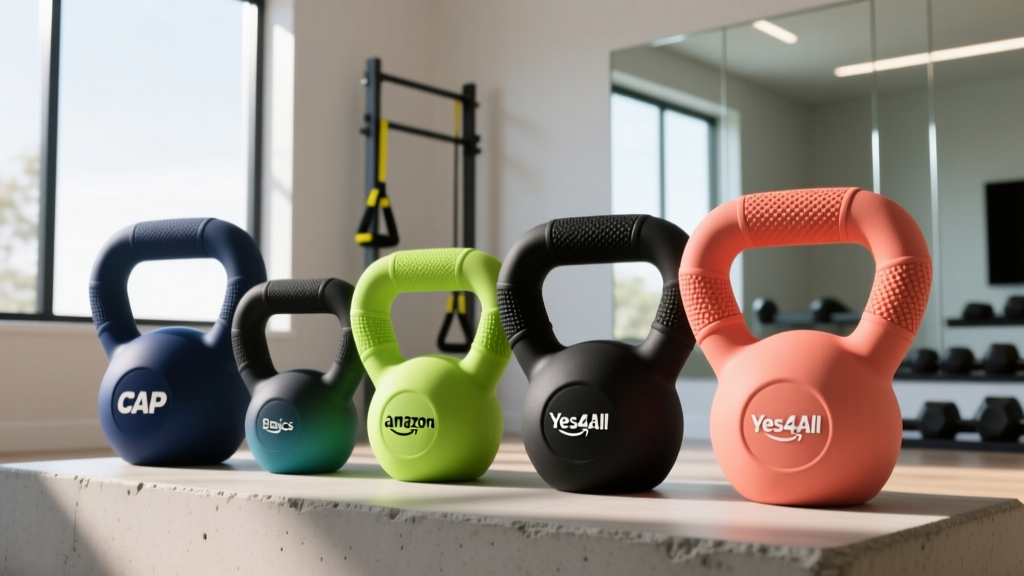
| CAP Barbell Neoprene | 5 - 50 lbs | $1.60 - $1.90 | Ergonomic hourglass |
| Amazon Basics Neoprene | 10 - 40 lbs | $1.20 - $1.50 | Straight cylindrical |
| Yes4All Color-Coded | 5 - 30 lbs | $1.30 - $1.60 | Hex-head, straight grip |
Frequently Asked Questions
Can I drop neoprene dumbbells on my floor during heavy rows?
While neoprene is designed to be floor-friendly, dropping weights heavier than 35 lbs from a standing or hinged position can still crack ceramic tiles or dent engineered hardwood. Always use a dedicated rubber drop mat beneath your bench area to absorb the acoustic and physical shock.
How do I clean neoprene dumbbells after a heavy rowing session?
Do not use bleach or harsh chemical degreasers, as these will break down the polychloroprene bonds, causing the coating to flake. Instead, wipe the handles down with a microfiber cloth dampened with a 50/50 mix of distilled water and white vinegar to neutralize sweat acidity.
Is the one-arm dumbbell row safe for lower back pain?
When set up correctly using the 4-point bench stance, the one-arm row is actually a rehabilitation-friendly exercise. The bench supports a portion of your torso weight, reducing the shear force on the lumbar spine compared to a bent-over barbell row. However, if you experience pain, consult a physical therapist before continuing.
More gear to consider
All reviews
Dumbbell Octopus Racks and EZ Curl Bar vs Straight Bar Trends

Hex vs Urethane Dumbbells: Best Gear for Tricep Curls with Dumbbells
EZ Bar vs Straight Bar: Beyond the Best Dumbbell Exercises for Biceps
Collar & Clamp Types: Safe Gear for a Full Dumbbell Chest Workout
Best Adjustable Dumbbells for Dumbbell Windmills: 2026 Review