
Cast Iron vs Competition Kettlebells & Overhead Presses with Dumbbells
Compare cast iron vs competition kettlebells and learn maintenance tips for overhead presses with dumbbells to maximize your free weight equipment lifespan.

The Biomechanics and Equipment Choice for Overhead Pressing
When building a home or commercial gym, selecting the right free weights for vertical pushing movements is critical. The biomechanics of the overhead press dictate that the equipment must not only fit the hand securely but also withstand the unique stressors of heavy lifting, chalk usage, and occasional drops. While many lifters focus purely on the weight increments, the material composition and structural integrity of your bells and dumbbells will ultimately dictate their lifespan.
According to BarBend's comprehensive guide to the overhead press, the movement requires intense wrist stabilization and a secure grip. Whether you are executing strict military presses or high-volume push presses, your equipment is exposed to sweat (which has a corrosive pH between 4.5 and 7.0), magnesium carbonate chalk, and high-impact forces if dropped from lockout. This guide breaks down the buying considerations and maintenance protocols for cast iron versus competition kettlebells, alongside crucial longevity tips for overhead presses with dumbbells.
Cast Iron vs. Competition Kettlebells: A Buyer’s Maintenance Guide
The debate between cast iron and competition kettlebells often centers on handle diameter and dimensions, but from a maintenance and longevity perspective, the manufacturing processes and materials are vastly different. Understanding these differences is essential before making a purchase in 2026.
Cast Iron Kettlebells: Powder Coat vs. E-Coat
Cast iron kettlebells are the standard for most home gyms. They are typically finished in either a powder coat or an e-coat (electrophoretic deposition).
- Powder Coat (e.g., Rep Fitness, Rogue): This finish provides a thick, durable layer that resists rust exceptionally well. However, the texture can be overly aggressive, tearing up calluses during high-rep overhead presses. Maintenance involves wiping down with a damp cloth. If dropped on bare concrete from overhead, the powder coat can chip, exposing the raw iron beneath to immediate oxidation.
- E-Coat (e.g., Kettlebell Kings): E-coating is a much thinner, electrostatically applied finish that preserves the natural texture of the cast iron handle. As noted in Kettlebell Kings' comparison of bell types, e-coated bells offer a superior grip but require more stringent maintenance. Because the coating is thin, humidity levels above 60% can cause micro-rust spots within 48 hours if the bell is not regularly oiled.
Competition Kettlebells: Hollow Core & Steel Handles
Competition kettlebells are uniform in size regardless of weight, featuring a standard 33mm handle diameter and a hollow steel shell filled with a steel shot or sand matrix to achieve exact weight tolerances (usually within 1%). Priced between $4.00 and $6.00 per pound, they are a premium investment.
Maintenance Warning: Never drop a competition kettlebell from the top of an overhead press onto another steel bell or a metal rack. The hollow core and thin steel side windows are highly susceptible to denting. A severe dent can alter the bell's center of mass, making it dangerous for ballistic movements like snatches later on.Equipment Longevity: Overhead Presses with Dumbbells
While kettlebells rest securely against the forearm during the rack position, executing overhead presses with dumbbells requires the lifter to stabilize two independent, symmetrical loads. The equipment you choose for this movement dramatically impacts your maintenance routine.
The Adjustable Dumbbell Failure Mode
Adjustable dumbbells, such as the Nuobell ($350/pair) or Bowflex 552 ($400/pair), are incredibly space-efficient but possess catastrophic failure modes when used for heavy overhead work. These models utilize plastic selector dials, polycarbonate trays, and internal steel locking rods.
Critical Rule: Never drop adjustable dumbbells from the lockout position of an overhead press. The vertical impact force will instantly shatter the internal plastic selector mechanisms or bend the guide rods, rendering the $400+ equipment completely useless. Always lower them under strict control to the thighs or a padded bench.
Fixed Urethane vs. Rubber Hex Dumbbells
For lifters who prefer the safety of dropping weights after a heavy set of overhead presses with dumbbells, fixed dumbbells are mandatory. However, the material matters immensely for longevity.
Recycled rubber hex dumbbells (averaging $1.80 per pound) are prone to UV degradation, drying out, and eventually cracking or emitting a permanent off-gassing odor in enclosed spaces. In contrast, high-density urethane dumbbells (priced around $2.80 to $3.50 per pound in 2026) are virtually indestructible. Urethane resists sweat absorption, does not degrade under UV light, and absorbs the shock of being dropped onto rubber stall mats without deforming.
Longevity & Care Matrix
Use the following matrix to determine the optimal care schedule for your overhead pressing equipment based on your gym's environment.
| Equipment Type | Handle Spec / Finish | Best For Overhead? | Maintenance Frequency | Primary Vulnerability |
|---|---|---|---|---|
| E-Coated Cast Iron KB | Varies / Thin E-Coat | Yes (High Grip) | Weekly (Oil) | Micro-rust in high humidity |
| Powder Coat Cast Iron KB | Varies / Thick Powder | Yes (Durable) | Monthly (Wipe) | Chipping on concrete drops |
| Competition KB | 33mm / Bare Steel | Yes (Uniform) | Post-Workout (Wipe) | Denting hollow steel core |
| Adjustable Dumbbells | Knurled Steel / Plastic | No (Fragile) | Monthly (Dust) | Shattering if dropped |
| Fixed Urethane DBs | Chrome or Zinc / Urethane | Yes (Heavy Duty) | Weekly (Wipe) | Chrome handle rusting |
Step-by-Step Weekly Maintenance Protocol
To maximize the lifespan of your free weights, implement this 15-minute weekly maintenance routine. This is especially critical for the steel handles of competition bells and the knurled shafts of fixed dumbbells used in overhead pressing.
- Chalk Extraction (Minutes 0-5): Magnesium carbonate chalk traps moisture against steel, accelerating rust. Use a stiff brass wire brush (never steel, which will strip e-coats and chrome) to vigorously brush the knurling or handle texture. This dislodges impacted chalk and dead skin.
- Sweat Neutralization (Minutes 5-10): Wipe down all handles and bell bodies with a microfiber cloth lightly dampened with a 50/50 mix of distilled water and white vinegar. This neutralizes the acidic residue left by sweat, which eats into bare steel and zinc plating.
- Hydration and Protection (Minutes 10-15): For e-coated kettlebells and bare steel competition handles, apply 3 to 4 drops of 3-in-One oil or a specialized gym equipment protectant (like Rogue's Rust Preventative Oil). Rub it in with a dry cloth until the handle feels smooth but not slick. This creates a hydrophobic barrier against ambient humidity.
- Environmental Control: Ensure your gym space is equipped with a dehumidifier if you live in a coastal or high-humidity climate. Keeping ambient humidity below 50% is the single most effective passive maintenance step for cast iron and steel equipment.
Final Thoughts on Free Weight Preservation
Whether you are strictly pressing competition kettlebells to refine your lockout mechanics, or executing heavy overhead presses with dumbbells to build raw shoulder mass, your equipment requires deliberate care. By understanding the material science behind e-coats, powder coatings, hollow steel cores, and urethane polymers, you can make informed purchasing decisions and implement maintenance routines that ensure your free weights outlast your fitness journey.
More gear to consider
All reviews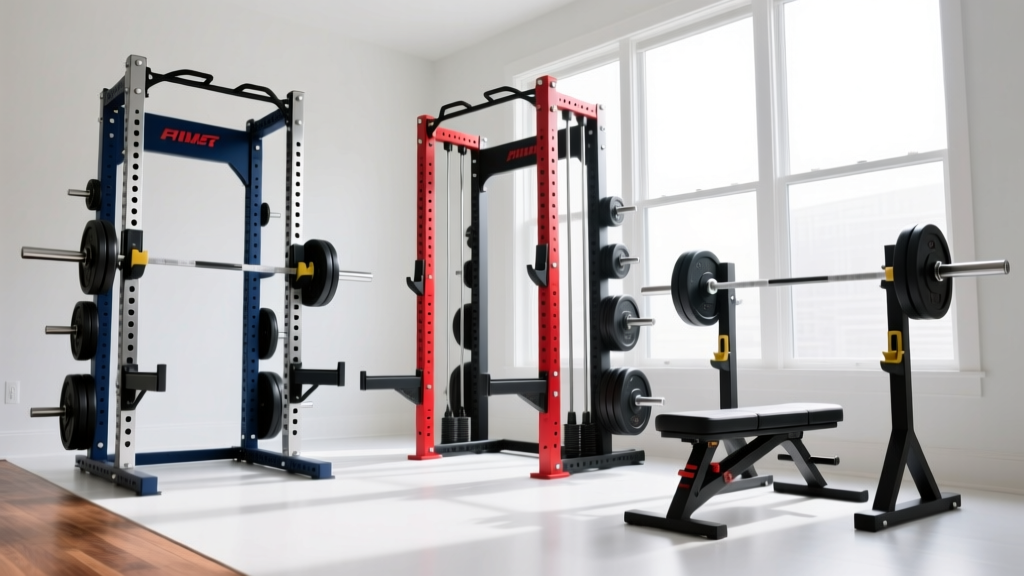
Power Rack vs Squat Rack vs Stand: Dumbbell Oblique Crunch Setup

Standard vs Olympic Plates for the Dumbbell Bench Press Exercise

Barbell Collar Clamp Types & Dumbbell Front Raise Muscles Worked

Bumper vs Iron Plates: Budgeting for Dumbbell Workouts for Quads
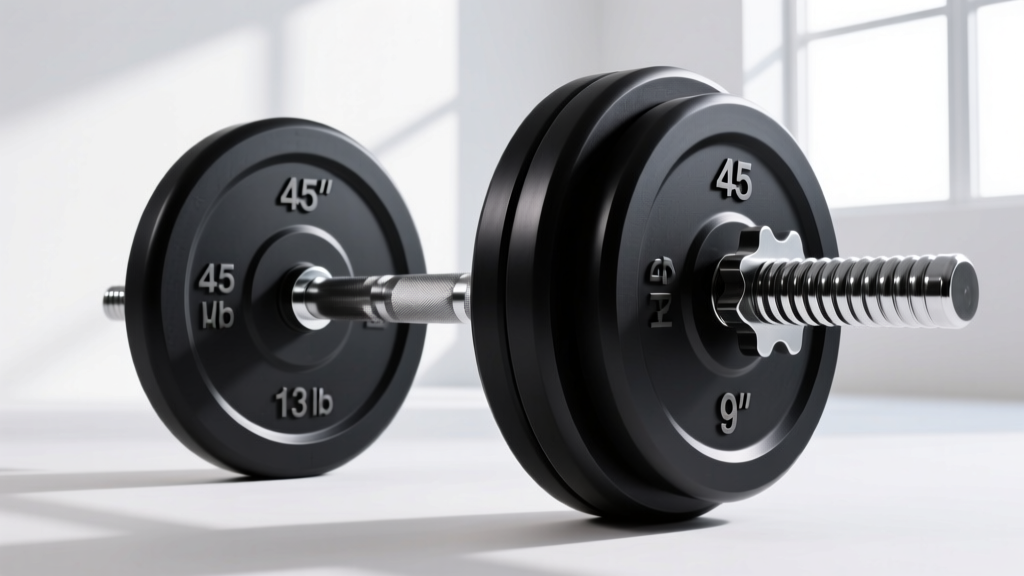
Olympic vs Standard Plates: Upgrading Your Side Bend Dumbbell Setup
