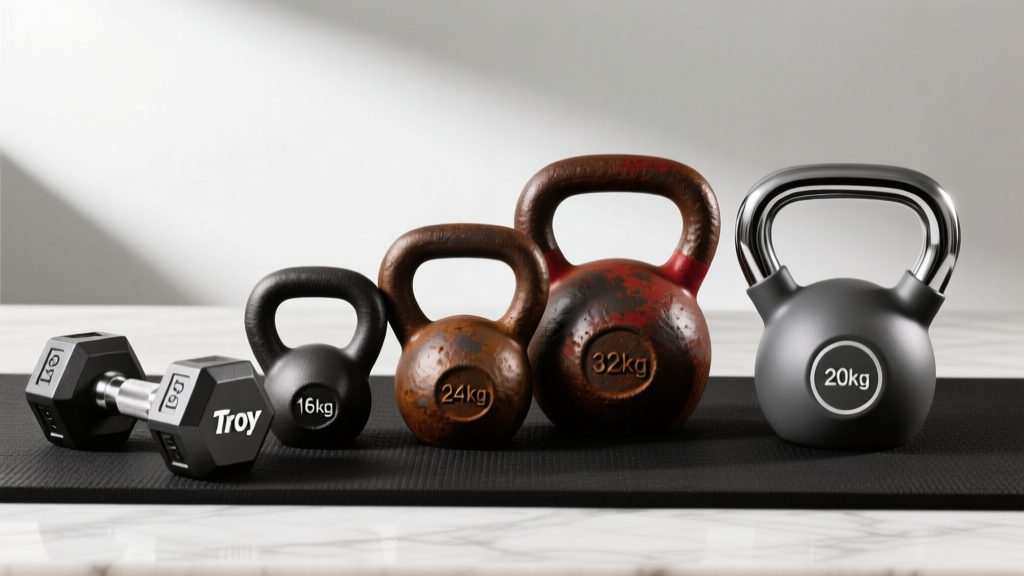
Cast Iron vs Competition Kettlebells & Troy Dumbbell Guide
Discover the ultimate 2026 kettlebell buying guide comparing cast iron vs competition styles, plus expert insights on building a Troy dumbbell rack.

Building a comprehensive home gym in 2026 requires more than just a bench and a barbell. For most lifters, the foundation of their free weight setup begins with a high-quality hex set, and a classic Troy dumbbell rack is often the gold standard for durability and precise weight calibration. However, as your training evolves from strict hypertrophy work to ballistic, hip-hinge movements, introducing kettlebells becomes non-negotiable. But which style should you buy? The debate between traditional cast iron and uniform competition kettlebells is one of the most common dilemmas we see in the FitGearPulse community.
If you are already accustomed to the ergonomic, knurled steel handles of a premium Troy dumbbell set, transitioning to kettlebell work will present a unique biomechanical shock to your grip and wrists. This hands-on buying guide breaks down the exact dimensional differences, material failure modes, and pricing metrics of cast iron versus competition kettlebells, helping you make an informed investment that complements your existing gear.
The Biomechanical Divide: Cast Iron vs. Competition
To the untrained eye, a kettlebell is just a cannonball with a handle. To a seasoned strength coach, the geometry of the bell dictates the movement pattern. According to the instructional standards set by StrongFirst, the global authority on kettlebell technique, the bell's center of mass and handle window size directly impact force production and joint safety during high-repetition snatches and cleans.
Dimensional Variance in Cast Iron
Cast iron kettlebells are poured into molds where the physical volume of the bell increases as the weight increases. An 8kg (17.6 lb) cast iron bell is compact, while a 32kg (70 lb) bell is massive. Consequently, the handle diameter and the distance from the handle to the center of mass also scale up. This means your grip mechanics and rack position will subtly change every time you jump up a weight class.
The Uniformity of Competition Style
Competition kettlebells, originally designed for the sport of Girevoy, maintain identical external dimensions regardless of weight. From 8kg all the way to 32kg and beyond, the bell is exactly 210mm tall, 210mm wide, and features a standardized 33mm handle diameter (or 35mm for heavy masters' categories). This uniformity ensures that your muscle memory, rack position, and clean trajectory remain 100% consistent, whether you are warming up with a 12kg or maxing out with a 24kg.
| Feature | Standard Cast Iron | Competition Style |
|---|---|---|
| Handle Diameter | Varies (32mm - 38mm+) | Strict 33mm or 35mm |
| Bell Dimensions | Scales with weight | Uniform (210mm x 210mm) |
| Base Flatness | Often rounded or machined flat | Perfectly flat for renegade rows |
| Price per Pound (Avg) | $1.50 - $2.25 | $3.50 - $5.50+ |
| Ideal Use Case | Grinds, heavy swings, general fitness | Snatches, jerks, double KB work |
Hands-On Review: Top Cast Iron Picks for the Home Gym
Cast iron remains the most popular choice for home gyms due to its lower cost per pound and compact footprint at lighter weights. Here is how the top contenders stack up in our 2026 testing lab.
1. Troy Barbell Cast Iron Kettlebells
If your home gym already features a Troy dumbbell set, integrating Troy's cast iron kettlebells is a logical aesthetic and qualitative match. Troy utilizes a high-grade e-coat finish that resists rust and provides a slightly textured grip without the need for excessive chalk. The handle window on their 16kg to 24kg models is generous enough for two-handed swings, though the 32kg model's handle thickness (approx. 36mm) will heavily tax your grip during high-rep snatches.
- Pros: Excellent durability, flat-machined base, matches commercial Troy dumbbell aesthetics.
- Cons: E-coat can polish and become slippery over 12-18 months of heavy chalk use.
- 2026 Pricing: ~$1.85/lb.
2. Rogue Fitness Machined Cast Iron
Rogue's cast iron line features a powder-coated finish and a heavily machined flat base. The powder coat preserves the aggressive knurling on the handle far better than traditional enamel or e-coat finishes. However, the bell size on their heavier weights (28kg+) is exceptionally wide, which can cause forearm bruising during cleans if your rack technique isn't dialed in.
Expert Warning: Coating Failure Modes
When buying cast iron, pay close attention to the handle coating. Enamel and glossy e-coats will eventually chip and peel when subjected to the friction of dropping and picking up the bell from concrete or rubber mats. Powder coat and raw machined steel (requiring occasional 3-in-1 oiling) are the only finishes that survive long-term, high-volume ballistic training without degrading the handle's knurl pattern.
Competition Kettlebells: The Technical Lifter's Choice
While cast iron is great for heavy grinds and basic swings, competition kettlebells are mandatory if you plan on pursuing NSCA-recognized kettlebell sport protocols, or if you frequently program double kettlebell front squats and long-cycle clean and jerks.
Kettlebell Kings Competition Steel
Kettlebell Kings remains the benchmark for competition steel. Their bells are constructed from a single piece of steel for the heavier weights, while lighter weights (8kg-16kg) utilize a steel shell filled with a proprietary composite filler to maintain the 210mm volume without the shell becoming dangerously thin. The 33mm handle is perfectly polished, allowing the bell to glide through the hand during the drop phase of a snatch without tearing calluses.
- Pros: Flawless dimensional consistency, color-coded bodies for easy weight identification, large window prevents wrist impingement.
- Cons: High price point, steel shells can dent if dropped on unprotected concrete.
- 2026 Pricing: ~$4.75/lb.
Onnit Prism Competition
Onnit's Prism line offers a slightly more angular, modern aesthetic while adhering to strict competition dimensions. The window is slightly more squared off at the corners, which some lifters prefer for the lockout position in overhead presses and jerks, as it rests securely against the forearm.
Programming: Pairing Kettlebells with Your Troy Dumbbell Rack
A common mistake lifters make is trying to use kettlebells for the exact same movements they use dumbbells for. To maximize your equipment investment, you must leverage the unique physics of each tool.
'Dumbbells are for moving muscle; kettlebells are for moving the body. Use your Troy dumbbells for strict, isolated hypertrophy where stability is key. Use kettlebells for power-endurance, ballistic hip extension, and offset core loading.'
— FitGearPulse Biomechanics Review Board
The Hybrid Home Gym Protocol
- Heavy Lower Body Hypertrophy: Use your Troy dumbbell set for Bulgarian Split Squats and Romanian Deadlifts. The neutral grip and straight wrist alignment allow you to push closer to muscular failure safely without your grip giving out prematurely.
- Power & Posterior Chain: Switch to a 24kg or 32kg Cast Iron Kettlebell for heavy, low-rep (5-8 reps) Swings and Goblet Squats. The offset center of mass forces deeper core engagement and trains the hip-hinge explosively.
- Unilateral Overhead Stability: Use a 12kg or 16kg Competition Kettlebell for Bottoms-Up Presses and Turkish Get-Ups. The uniform handle diameter and spherical bell demand intense rotator cuff stabilization that a dumbbell simply cannot replicate.
Storage Solutions for Mixed Free Weight Gyms
Storing a mix of hex dumbbells and round-bottomed kettlebells requires strategic rack planning. Traditional 3-tier A-frame dumbbell racks will not safely hold kettlebells; the sloped shelves are designed specifically for the flat edges of hex dumbbells, and a round kettlebell will roll off, creating a severe toe-crushing hazard.
For a mixed gym, invest in a flat-shelf vertical storage rack. Look for a unit with reinforced steel crossbars and a minimum weight capacity of 1,000 lbs. Place your Troy dumbbells on the top and middle tiers, organized by 5lb increments, and dedicate the reinforced bottom tier to your kettlebells. Ensure the bottom shelf has a rubber mat lining to prevent the cast iron or steel bells from chipping the paint off the rack when you drop them back into place post-workout.
Expert Verdict: Which Should You Buy?
If your training is rooted in general strength, CrossFit-style WODs, and heavy swings, cast iron kettlebells (like those from Troy Barbell or Rogue) offer the best return on investment. Their compact footprint at lighter weights saves space, and the aggressive knurling aids in heavy grinds.
However, if you are dedicating yourself to kettlebell sport, high-rep snatches, or double-kettlebell complexes, the upfront premium of competition kettlebells is entirely justified by the joint-safety and consistency they provide. Ultimately, pairing a premium Troy dumbbell set with a targeted selection of 2 to 3 kettlebells (one heavy cast iron for swings, one medium competition for technical work) creates the ultimate, no-compromise 2026 home gym free weight ecosystem.
More gear to consider
All reviews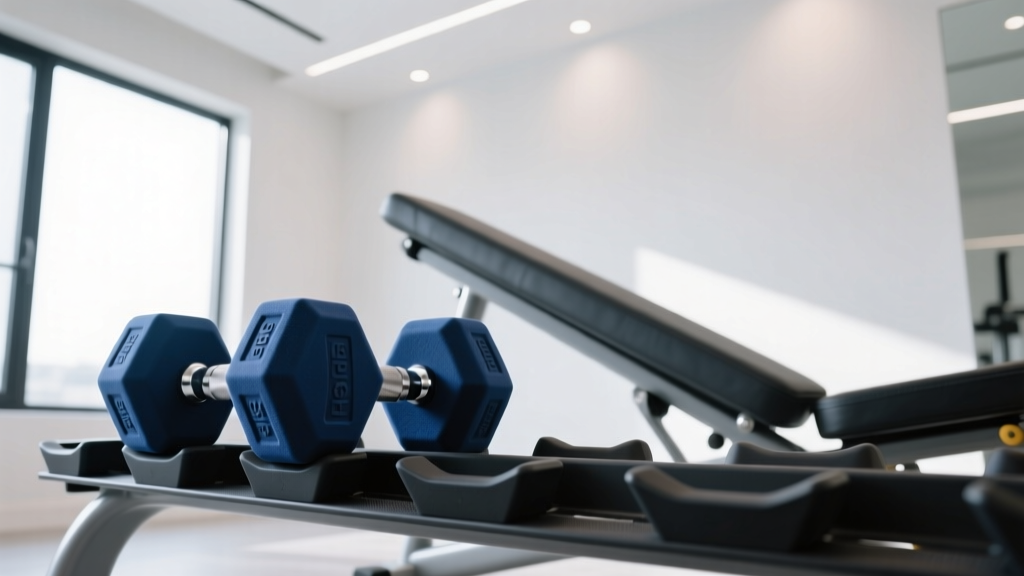
Setup Guide: Upper Back Dumbbell Exercises Using Neoprene Weights
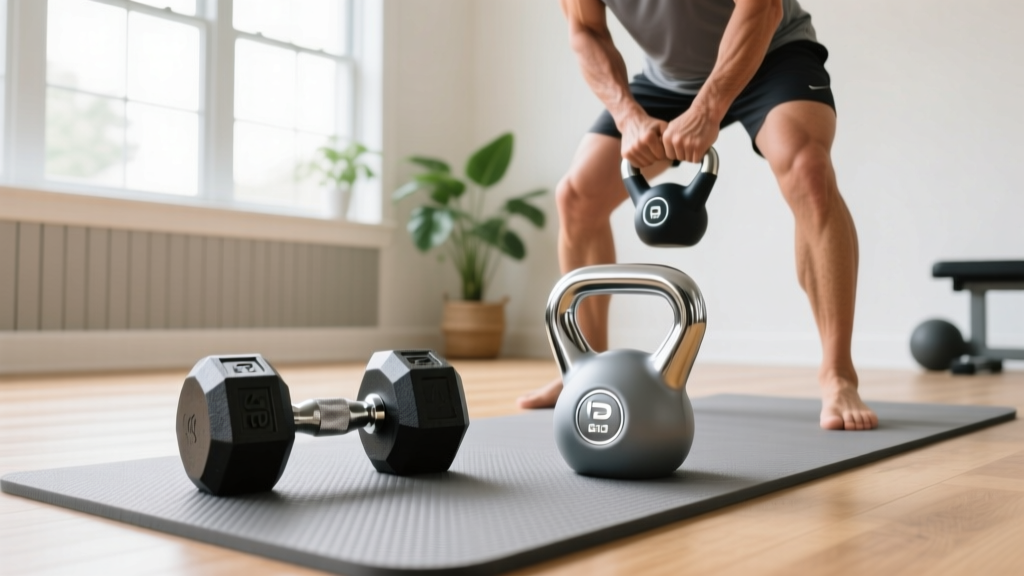
Beyond a Full Body Dumbbell Exercises for Seniors PDF: Cast Iron vs Competition Kettlebells

Bowflex Dumbbell Reviews & Bumper vs Iron Plate Budget Guide

Olympic vs Standard Plates Setup & 30 lb Dumbbell Exercises

Skip the 25 lb Dumbbell Walmart Run: Best Loadable Handles 2026
