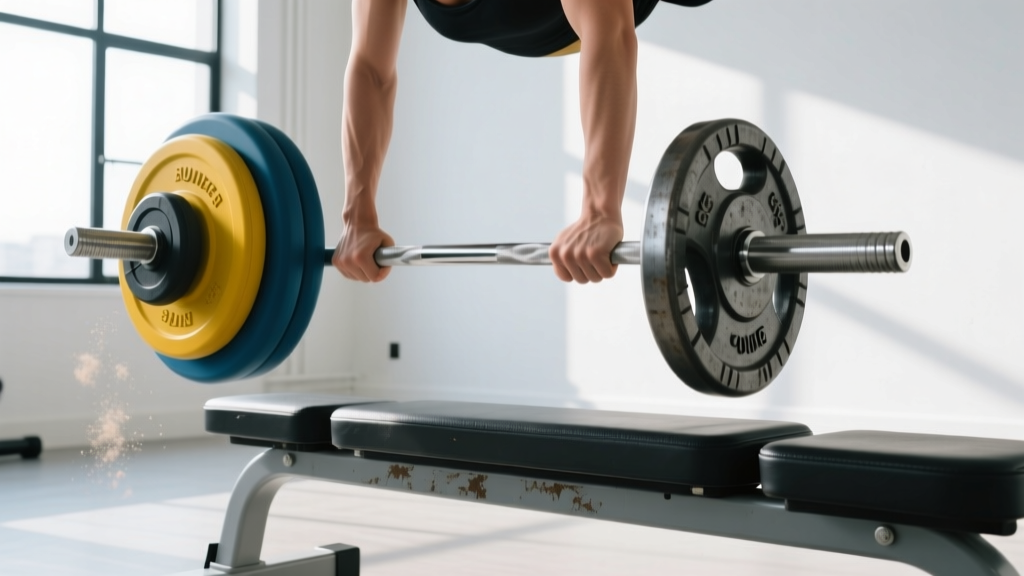
Bumper vs Iron Plates: Bent Over Rows Dumbbell Bench Care
Compare bumper vs iron plates for longevity. Learn maintenance tips to protect your gear, floor, and bent over rows dumbbell bench setup from wear.

Building a resilient home gym requires more than just purchasing top-tier equipment; it demands a strategic approach to maintenance, material science, and spatial configuration. One of the most enduring debates in the free weight community is the bumper plate vs iron plate comparison. While both serve the fundamental purpose of adding load to a barbell, their longevity, environmental resilience, and impact on surrounding equipment differ drastically.
This divergence in material properties becomes especially apparent in high-traffic, high-friction zones of your gym—most notably, your dedicated bent over rows dumbbell bench setup. Whether you are performing heavy single-arm dumbbell rows or chest-supported variations, the interaction between your free weights, the bench upholstery, and the adjacent plate storage requires specific maintenance protocols to prevent premature degradation.
The Material Science: Virgin Rubber vs. Cast Iron Enamel
To understand longevity, we must first examine the manufacturing standards of modern weight plates. In 2026, the market is dominated by two primary categories:
1. Bumper Plates (Virgin Rubber & Urethane)
High-quality bumper plates, such as the Rogue Echo or Rep Fitness Cratos lines, are constructed from virgin rubber or urethane with a Shore A durometer rating between 85 and 90. This specific hardness ensures minimal bounce (dead drop) while absorbing kinetic energy.
- Lifespan: 10–15+ years indoors; 3–5 years if exposed to direct UV light and extreme temperature fluctuations.
- Failure Modes: Rubber oxidation, hub insert separation (where the steel center ring pulls away from the rubber), and edge tearing from repeated drops on uneven concrete.
- Cost Metric: Currently averaging $2.20 to $3.50 per pound.
2. Cast Iron Plates (Machined & Enamel Coated)
Cast iron plates, like the Rogue Deep Dish or York Legacy series, are poured into molds, machined for weight accuracy, and coated in a protective enamel or baked-on powder coat.
- Lifespan: Practically infinite if kept dry; highly susceptible to surface oxidation (rust) if the enamel chips.
- Failure Modes: Enamel chipping leading to structural rust, floor damage from point-load impacts, and barbell sleeve scoring due to lack of shock absorption.
- Cost Metric: Highly economical, averaging $1.20 to $1.80 per pound.
Optimizing the Bent Over Rows Dumbbell Bench Station
When configuring a dedicated bent over rows dumbbell bench station, the physical proximity of your plates, dumbbells, and bench creates a unique micro-environment of wear and tear. Single-arm dumbbell rows frequently involve dragging heavy knurled dumbbells across the bench pad, while dropped weights can chip adjacent iron plates or scuff bumper rims.
⚠️ Equipment Warning: The Knurling EffectThe aggressive volcano or mountain knurling found on premium adjustable dumbbells (like Nuobell or PowerBlock Pro series) acts like a rasp against vinyl and leather bench upholstery. Over a 6-month period of heavy bent-over rows, this friction will micro-tear the stitching and foam, leading to sweat ingress and eventual frame rusting.
Targeted Maintenance for the Rowing Station
- Upholstery Protection: Apply a high-grade protectant like 303 Aerospace Protectant or 3M Leather & Vinyl Restorer to the bench pad every 45 days. This creates a UV and sweat-resistant barrier that prevents the vinyl from drying out and cracking under dumbbell friction.
- Frame Sweat Mitigation: The 3x3-inch 12-gauge steel uprights of your bench are prime targets for acidic sweat drips during heavy rowing sets. Wipe down the weld points with a microfiber cloth dampened with a 50/50 water and white vinegar solution weekly to neutralize salts.
- Adjacent Plate Storage: If storing iron plates on a vertical tree next to your bent over rows dumbbell bench, ensure the tree pegs are wrapped in UHMW (Ultra-High Molecular Weight) polyethylene sleeves. Dropping iron plates onto bare steel pegs chips the enamel, exposing the raw iron to ambient humidity.
Longevity Matrix: Bumper vs. Iron Plates
Use the following comparison matrix to determine which plate type aligns with your maintenance capacity and gym environment.
| Longevity Metric | Bumper Plates (Rubber/Urethane) | Cast Iron Plates (Enamel/Powder) |
|---|---|---|
| Drop Tolerance | Excellent (Rated for 15,000+ drops) | Poor (Will crack concrete or chip enamel) |
| Humidity Resistance | High (Impervious to rust) | Low (Requires oiling if enamel chips) |
| UV / Ozone Degradation | Moderate (Can dry-rot in sun) | High (Unaffected by sunlight) |
| Barbell Sleeve Wear | Low (Absorbs kinetic shock) | High (Metal-on-metal impact scores sleeves) |
| Space Efficiency | Low (Thicker profile limits sleeve capacity) | High (Slim profile allows maximum loading) |
The 2026 Preventative Maintenance Protocol
According to facility maintenance guidelines highlighted by strength and conditioning authorities like the National Strength and Conditioning Association (NSCA), proactive equipment care reduces replacement costs by up to 40% over a five-year cycle. Implement this schedule to maximize the lifespan of your plates and bench setups.
Weekly: The Surface Reset
- Wipe Down: Use a mild, non-bleach antibacterial wipe on your bench pad and dumbbell handles immediately after your rowing sessions. Bleach-based cleaners degrade vinyl stitching and accelerate rubber oxidation on bumper plates.
- Debris Sweep: Chalk dust and shed rubber particles accumulate under the bent over rows dumbbell bench. Sweep this area to prevent abrasive particles from being ground into your flooring and plate edges.
Monthly: Lubrication and Inspection
- Hub Inspection: Check the steel center inserts on your bumper plates. If you notice any wobble when spinning the plate on a barbell sleeve, the brass/steel bushing is loosening. A drop of Loctite 609 retaining compound can secure the insert before it tears the surrounding rubber.
- Iron Plate Oiling: For cast iron plates, lightly mist a rag with 3-IN-ONE Multi-Purpose Oil (never use standard WD-40, as it is a solvent that strips existing protective oils) and wipe the outer rims to displace ambient moisture.
Bi-Annually: Deep Conditioning
As detailed in comprehensive home gym care guides from experts at Garage Gym Reviews, seasonal shifts require deeper intervention. In the spring and fall, apply a dedicated rubber conditioner (like Ragaltauf or a silicone-based tire shine) to your bumper plates. This restores the chemical plasticizers that keep the rubber supple, preventing the micro-cracking that leads to catastrophic edge failure during drops.
💡 Pro-Tip: The Barbell Sleeve BufferWhen loading heavy iron plates for bent-over barbell rows, always use a pair of 5lb or 10lb bumper plates as "buffers" on the inside of the collar. This prevents the cast iron plates from slamming directly against the barbell's steel shoulder, preserving the bar's zinc or Cerakote finish and reducing acoustic shockwave damage to your home gym floor.
Final Verdict: Choosing Your Path
If your gym is located in an unclimate-controlled garage with high humidity, and your training involves frequent drops from overhead or heavy dumbbell work around your bent over rows dumbbell bench, bumper plates are the superior longevity investment despite the higher upfront cost. Their shock-absorbing properties protect not only the plates themselves but also your barbells, flooring, and adjacent furniture.
Conversely, if you train in a climate-controlled basement, prioritize space efficiency on your barbell sleeves, and strictly control your weight descents, machined cast iron plates will easily outlive you—provided you commit to a rigorous, monthly enamel-inspection and oiling routine. Ultimately, equipment longevity is not just about the material you buy; it is about the friction, environment, and maintenance habits you introduce to your training space.
More gear to consider
All reviews
Cast Iron vs Competition Kettlebells & Chest Training with Dumbbells
Beyond a Full Body Dumbbell Exercises for Seniors PDF: Cast Iron vs Competition Kettlebells
Loadable Dumbbells for Dumbbell Reverse Wrist Curls: Budget Guide

Beyond the 5 lbs Dumbbell Workout: Olympic vs Standard Plates

Smart Dumbbell Rack Storage to Fuel Your Dumbbell Workout for Runners
