
Bumper vs Iron Plates: Market Trends & 17.5 Pound Dumbbells
Analyze 2026 free weight market trends comparing bumper vs iron plates, plus the surging demand for 17.5 pound dumbbells in precision training.

The 2026 Free Weight Market Landscape: Precision Meets Durability
The fitness equipment market in 2026 is defined by a distinct polarization in consumer purchasing habits. On one end, commercial and elite home gym builders are heavily investing in specialized Olympic weightlifting gear, sparking a perpetual debate between bumper plates and traditional cast iron plates. On the other end, the functional fitness and rehabilitation sectors are driving an unprecedented demand for micro-loading solutions—most notably, the surge in availability and sales of 17.5 pound dumbbells. This trend report dissects the material science, cost-per-pound economics, and training applications driving these two seemingly disparate market segments.
Bumper Plates vs. Cast Iron: A Data-Driven Comparison
When outfitting a facility or home gym, the choice between bumper and iron plates dictates not only the training modality but also the long-term maintenance costs and acoustic footprint of the space. Bumper plates, constructed from virgin rubber or urethane, are engineered to absorb kinetic energy during drops. Cast iron and machined steel plates, conversely, prioritize density, cost-efficiency, and precise calibration for powerlifting.
| Feature | Virgin Rubber Bumper Plates | Urethane Bumper Plates | Cast Iron / Enamel Plates | Machined Steel Plates |
|---|---|---|---|---|
| Avg. Cost per Pound (2026) | $3.50 - $4.50 | $5.00 - $7.00 | $1.50 - $2.20 | $4.00 - $6.00 |
| Shore A Durometer | 75A - 85A (Bouncier) | 85A - 90A (Dead bounce) | N/A (Rigid) | N/A (Rigid) |
| Drop Rating | High (Olympic lifts) | Very High (CrossFit/Comp) | Low (Will crack/floor damage) | Low (Requires platforms) |
| Thickness (45lb/20kg) | 3.25 - 4.0 inches | 2.75 - 3.2 inches | 1.25 - 1.5 inches | 0.85 - 1.1 inches |
| Primary Failure Mode | Hub tear-out on light plates | Surface scratching/cracking | Center hole boring/rust | Edge chipping/calibration loss |
Material Science and Market Leaders
The premium bumper plate segment is currently dominated by high-durometer urethane and virgin rubber models. For instance, the Rogue HG 2.0 Bumper Plates remain an industry benchmark, utilizing a stainless steel insert and a 88 Shore A durometer rubber that minimizes the 'dead bounce' effect, keeping the barbell grounded after heavy cleans. Conversely, the iron plate market is split between cheap, sand-cast imports and precision-machined steel. Elite powerlifters continue to favor calibrated steel plates, such as those offered by Eleiko, where the thickness tolerance is guaranteed within 10 grams of the stated weight, allowing lifters to maximize bar sleeve capacity without sacrificing accuracy.
⚠️ Industry Warning: The Light Bumper Plate Failure ModeMarket return data indicates that 10lb and 15lb bumper plates experience a 400% higher failure rate than 45lb plates. Because lighter plates have the same diameter (450mm) but less surface area and mass to distribute the kinetic energy of a drop, the steel center hub frequently tears through the rubber matrix. If your programming requires frequent drops of light bumper plates, invest in technique plates with reinforced webbed hubs or switch to iron/steel fractional plates.
The Micro-Loading Phenomenon: Why 17.5 Pound Dumbbells Are Surging
While heavy plate loading captures the spotlight, the most fascinating 2026 market anomaly is the explosion in demand for 17.5 pound dumbbells. Historically, fixed dumbbell increments jumped from 15 pounds directly to 20 pounds. This 5-pound gap (a massive 33% increase in load) is biomechanically detrimental for isolation exercises like lateral raises, tricep extensions, and rotator cuff rehabilitation.
The 17.5 pound dumbbell bridges this critical gap. Market analysis reveals two primary drivers for this trend:
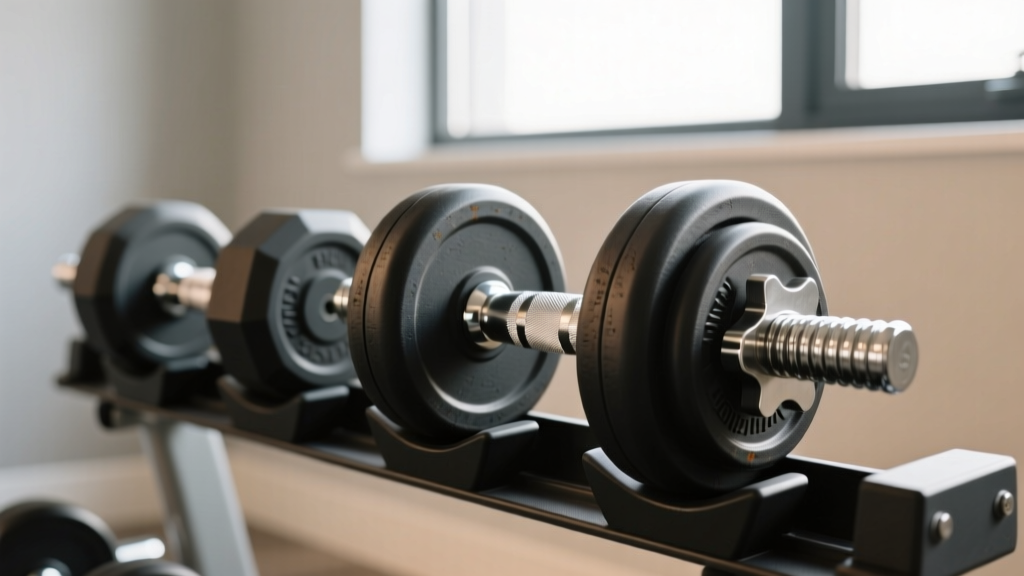
- The Adjustable Dumbbell Evolution: Premium adjustable systems have integrated micro-adjustments. The PowerBlock Elite USA series and Nuobell 552 systems now allow users to dial in exact 2.5-pound increments, making a 17.5-pound setting easily accessible without purchasing a full rack of fixed weights. A comprehensive breakdown of these mechanisms can be found in BarBend's adjustable dumbbell analysis, which highlights how magnetic pin systems and twisting handles facilitate these odd increments.
- Progressive Overload for Isolation Movements: Physical therapists and hypertrophy coaches are increasingly prescribing 17.5-pound loads for patients and athletes who have plateaued at 15 pounds but experience form breakdown and anterior deltoid compensation when forced to jump to 20 pounds.
Fixed vs. Adjustable: Sourcing the 17.5 lb Increment
For commercial facilities requiring fixed weights, custom-ordering 17.5 lb urethane hex dumbbells from boutique manufacturers (like TuffStuff or specialized Rep Fitness commercial lines) has become a standard practice in 2026, albeit at a premium of $3.50+ per pound. For home gym owners, the most cost-effective route is purchasing a pair of 15-pound fixed hex dumbbells and utilizing 1.25-pound magnetic micro-plates or fractional spinlock collars to achieve the exact 17.5-pound load.
Financial ROI and Strategic Purchasing Framework
Allocating budget between plates and dumbbells requires a strategic framework based on your specific training methodology. Here is how the 2026 pricing landscape breaks down for a standard 300-pound home gym build:
- The Olympic Weightlifter (Bumper Heavy): A 260lb set of virgin rubber bumpers will cost approximately $950 - $1,100. The ROI here is measured in floor preservation and noise reduction. You cannot drop cast iron on a residential garage floor without risking structural concrete spalling.
- The Powerlifter / Bodybuilder (Iron Heavy): A 250lb set of enamel-coated cast iron plates (e.g., Titan Fitness or CAP Barbell) will cost between $375 and $450. The ROI is undeniable for strict pressing, squatting, and deadlifting where dropping the weight is not part of the programming.
- The Hypertrophy / Rehab Athlete (Dumbbell Focus): Investing $400 into a high-quality adjustable dumbbell pair that explicitly features 17.5 pound increments yields a higher ROI than buying fixed pairs of 15s, 17.5s, and 20s, which would cost upwards of $600 and consume significant square footage.
If you are outfitting a commercial space, expect to pay the 'urethane tax.' While rubber bumpers and iron plates emit distinct odors (off-gassing) that can take months to dissipate in poorly ventilated spaces, urethane is odorless and highly resistant to UV degradation and sweat corrosion. For high-end boutique studios, urethane is no longer optional; it is the baseline standard.
Final Verdict: Building a Hybrid Arsenal
The 2026 free weight market is not a zero-sum game between bumper and iron plates; rather, it is an ecosystem that demands hybridization. The most intelligent gym builders are utilizing machined steel or cast iron plates for their heavy, controlled barbell work to maximize sleeve space and minimize cost, while reserving a pair of 45lb and 25lb bumper plates for dynamic Olympic movements and outdoor workouts. Simultaneously, recognizing the biomechanical necessity of micro-loading by incorporating 17.5 pound dumbbells—either through precision adjustable systems or fractional plate additions—ensures that progressive overload remains uninterrupted, safeguarding both joint health and long-term muscular adaptation.
More gear to consider
All reviews
Rubber Hex vs Urethane Dumbbells for Reverse Dumbbell Curls

Bumper vs Iron Plates for Dumbbell Tenements: 2026 Guide
Preserving Loadable Dumbbell Grips: Maintenance and Longevity Tips

Loadable Dumbbell Care: Why Dumbbell Hip Huggers Prevent Plate Wear

Urethane vs Rubber Hex: 2026 Trends for Dumbbell Workouts for Lats
