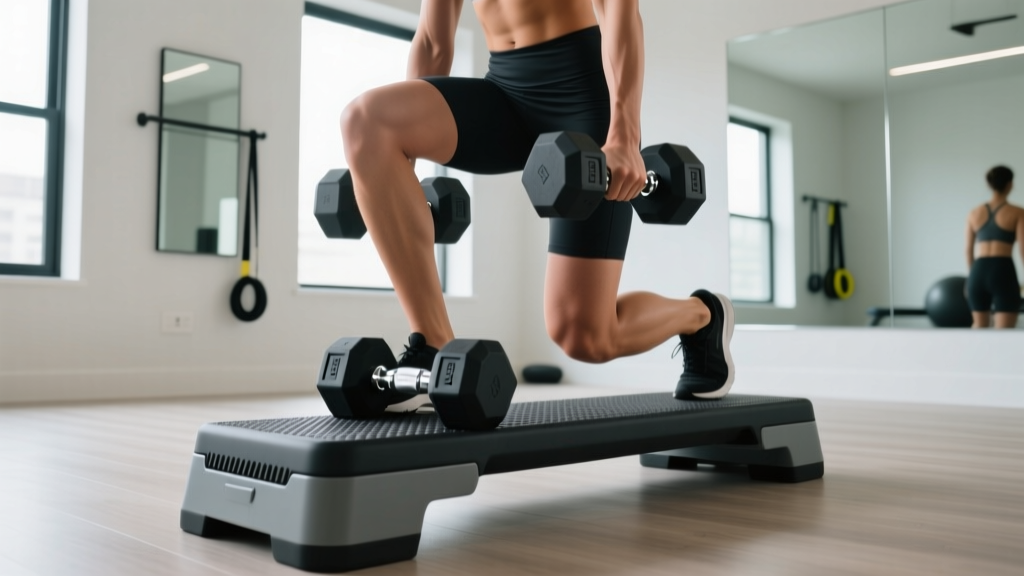
Dumbbell Stepups: Form Mistakes & Neoprene Dumbbell Troubleshooting
Fix common dumbbell stepups form errors and troubleshoot neoprene dumbbell grip issues for safer, more effective home leg workouts.

The Biomechanics of the Dumbbell Stepup
The dumbbell stepup is a foundational unilateral exercise that targets the quadriceps, gluteus maximus, and hamstrings while challenging core stability. According to exercise biomechanics databases like ExRx.net, the step-up mimics natural locomotion patterns, making it highly functional for athletes and home gym enthusiasts alike. However, the effectiveness of this movement relies entirely on precise form and reliable equipment.
For home gym owners, neoprene-coated dumbbells are often the default choice. They are aesthetically pleasing, color-coded by weight, and protect hardwood floors from scratches. Yet, when performing high-rep, sweat-inducing leg movements like dumbbell stepups, the unique material properties of neoprene can introduce unexpected equipment failures. This guide breaks down the most common biomechanical mistakes in the stepup and provides expert troubleshooting for the specific quirks of neoprene dumbbells.
4 Critical Form Mistakes in Dumbbell Stepups
Before blaming your equipment, ensure your biomechanics are sound. Physical therapy resources such as Physio-pedia emphasize that pelvic stability and knee tracking are paramount during unilateral leg work. Avoid these four common errors:
1. Pushing Off the Back Foot
The most pervasive mistake in dumbbell stepups is using the trailing leg to 'bounce' or push off the floor. This transforms a targeted unilateral quad/glute exercise into a bilateral movement, reducing the load on the working leg by up to 40%. The Fix: Shift 95% of your weight into the heel of the front foot on the box. Imagine your back foot is hovering just above the ground, used only for balance, not propulsion.
2. Knee Valgus (Inward Caving)
As you drive through the heel to stand up, the knee of the working leg often caves inward. This places immense shear stress on the medial collateral ligament (MCL) and ACL. The Fix: Actively think about 'screwing' your front foot into the box and pushing your knee outward over your second and third toes. If your knee still caves, the weight is too heavy or your box is too high.
3. Using an Excessively High Box
Many lifters mistakenly believe a higher box equals better glute activation. In reality, a box that is too high (e.g., 24+ inches for a lifter with average mobility) causes the pelvis to 'tuck' or round at the bottom of the movement, leading to lumbar flexion under load. The Fix: Start with a 12-inch to 16-inch box. Your hip crease should drop just below the top of the knee at the bottom of the movement without your lower back rounding.
4. Rushing the Eccentric Phase
Dropping down from the box quickly robs you of the muscle-building benefits of the eccentric (lowering) phase and increases impact forces on the patellar tendon. The Fix: Take a full 2 to 3 seconds to lower your trailing foot back to the floor, maintaining tension in the working quad and glute throughout the descent.
Troubleshooting Neoprene Dumbbell Issues During Stepups
Neoprene is a synthetic rubber that offers excellent floor protection and a soft, tactile feel. However, it behaves very differently than bare steel or urethane when subjected to the heavy grip demands and sweat of a leg workout. Here is how to troubleshoot common neoprene dumbbell issues.
Warning: The Sweat-Slip HazardNeoprene is inherently porous but lacks the aggressive moisture-wicking knurling of bare steel. When your hands sweat during heavy stepups, a thin layer of water gets trapped between your skin and the synthetic coating, creating a hydroplaning effect. This can cause the dumbbell to slip from your grasp, potentially injuring your foot or ankle.
Troubleshooting Grip Slip
If your neoprene dumbbells (such as popular models from Yes4All or CAP Barbell) are slipping during heavy sets, do not use standard block magnesium carbonate chalk. Block chalk tends to cake onto the porous neoprene surface, creating a messy, slippery paste that degrades the coating over time. Instead, use a liquid chalk (like Spider Chalk or FrictionLabs) applied sparingly, or keep a dry microfiber towel nearby to wipe the handles between every single set.
Troubleshooting Coating Degradation and Odor
Neoprene is susceptible to UV degradation and ozone cracking. If you store your dumbbells in a garage or near a sunlit window, the coating will eventually become brittle, flake off, and develop a persistent 'sour' odor caused by trapped bacteria in the microscopic pores. The Fix: Store neoprene dumbbells indoors, away from direct sunlight. To eliminate odors, wipe them down weekly with a solution of 70% isopropyl alcohol and water, which kills bacteria without breaking down the synthetic rubber polymers.
Troubleshooting Bulky Head Interference
Because neoprene is less dense than cast iron, the physical volume of the dumbbell heads is larger. When holding heavy neoprene dumbbells (35+ lbs) at your sides during stepups, the bulky heads can bump against your thighs or interfere with your natural arm swing. If this occurs, switch to a 'suitcase' grip slightly away from the body, or transition to hex-shaped rubber dumbbells for weights exceeding 40 lbs.
Material Showdown: Neoprene vs. Rubber vs. Urethane for Stepups
Is neoprene actually the best choice for your home gym leg days? Compare the materials to see how they hold up to the rigors of heavy stepups.
| Feature | Neoprene Coated | Virgin Rubber (Hex) | Urethane (PU) |
|---|---|---|---|
| Grip Texture | Smooth/Matte (Slippery when wet) | Lightly textured (Moderate grip) | Knurled steel handle (Best grip) |
| Durability | Low (Prone to tearing/UV damage) | Medium (Can degrade/odor over time) | Extremely High (Commercial grade) |
| Floor Protection | Excellent | Excellent | Excellent |
| Max Weight Range | Usually caps at 50 lbs | Up to 120+ lbs | Up to 150+ lbs |
| 2026 Avg. Price/lb | $1.80 - $2.50 | $1.50 - $2.20 | $2.80 - $4.50 |
2026 Sizing and Progression Guide for Home Athletes
When programming dumbbell stepups, selecting the correct weight is crucial for maintaining the strict form outlined earlier. Here is a practical progression framework based on current 2026 home gym standards:
- Beginner (Focus on Balance & Eccentrics): Bodyweight only, or 5 to 10 lb neoprene dumbbells. Focus on a 12-inch box and a 3-second descent.
- Intermediate (Hypertrophy Focus): 15 to 30 lb neoprene dumbbells. 16-inch box. 3 sets of 8-12 reps per leg. This is the 'sweet spot' where neoprene dumbbells shine, as the weight is heavy enough to stimulate growth but light enough that grip failure won't occur before muscular failure.
- Advanced (Strength & Glute Focus): 35 to 50+ lbs. At this tier, we highly recommend abandoning neoprene for urethane dumbbells with chrome knurled handles to ensure your grip does not become the limiting factor during heavy unilateral loading.
Final Thoughts on Equipment and Execution
Mastering the dumbbell stepup requires a dual focus: respecting the biomechanics of the human body and understanding the physical limitations of your gear. By eliminating back-leg push-off, controlling the eccentric, and actively managing the unique grip challenges of neoprene-coated weights, you can turn this simple movement into a cornerstone of your home leg training. Evaluate your current dumbbell set honestly—if your neoprene weights are slick, degraded, or too bulky for your current strength level, it may be time to upgrade your arsenal for safer, more effective workouts.
More gear to consider
All reviews
Master the Dumbbell Press Up: Neoprene Home Gym Setup Guide

Bumper vs Iron Plate Costs: Budgeting for Dumbbell Wrist Rotations

Best Neoprene Dumbbells for Dumbbell Forward Lunges (2026)

Olympic vs Standard Plates: Best for Incline Dumbbell Presses?

Barbell Collar vs Clamp: Securing One Dumbbell Exercises for Biceps
