
Bumper vs Iron Plate Care & Dumbbell 5 kg Maintenance
Compare bumper plate vs iron plate longevity. Learn essential maintenance care, drop-test limits, and how to restore your high-volume dumbbell 5 kg set.

The Material Science of Free Weight Degradation
When outfitting a commercial facility or a dedicated home gym, lifters and facility managers obsess over the initial purchase price of free weights. However, the true cost of ownership lies in maintenance, degradation rates, and eventual replacement. The environmental stressors of a gym—fluctuating humidity, microscopic skin cells, sodium-rich sweat, and repeated kinetic impacts—create a hostile environment for both metal and rubber. Understanding the exact failure modes of your equipment is the first step toward maximizing your return on investment.
While heavy barbells often get the most attention, the reality of gym equipment churn tells a different story. By analyzing the material science behind cast iron, virgin rubber, and urethane coatings, we can establish precise care protocols that extend the lifespan of your gear well into the late 2020s.
Bumper Plate vs Iron Plate: Core Vulnerabilities & Failure Modes
The debate between bumper plates and traditional iron plates usually centers on noise and drop-safety. From a maintenance perspective, however, they present entirely different chemical and physical challenges.
Cast Iron & Calibrated Steel Plates
Standard cast iron plates contain 2% to 4% carbon, making them incredibly dense but highly susceptible to oxidation. When ambient relative humidity (RH) exceeds 55%, microscopic water molecules bond with the iron surface. Add the sodium chloride from human sweat, and you create an electrolytic cell that accelerates rust formation exponentially. Calibrated steel plates, while machined to tighter tolerances, often feature bare steel or zinc plating. Zinc plating provides a sacrificial anode layer, but once scratched by aggressive metal-on-metal rack loading, the underlying steel will oxidize rapidly.
Virgin Rubber vs. Crumb Rubber Bumpers
Not all bumpers are created equal. Crumb rubber plates (made from recycled tires bound by polyurethane) are notorious for shedding carbon black dust and degrading under UV light. Virgin rubber plates, such as the Rogue Echo Bumper Plates, offer vastly superior tensile strength and a cleaner profile. However, virgin rubber is prone to the "taco" effect—a permanent warping of the rubber matrix caused by uneven kinetic loading or improper storage. Furthermore, dropping a single light bumper plate (like a 10 lb or 5 kg plate) on a barbell transfers all the momentum directly into the bar’s sleeve, which can bend the barbell and crack the rubber hub of the plate simultaneously.
⚠ Facility Manager Warning: Never leave virgin rubber bumper plates in direct sunlight or outdoors. UV radiation breaks down the vulcanization bonds in the rubber, leading to micro-fissures that will cause the plate to split upon impact within 6 to 8 months.The High-Volume Culprit: Maintaining Your Dumbbell 5 kg Set
While 20 kg barbells and heavy squat racks are the centerpieces of the gym, the humble dumbbell 5 kg variant is statistically the highest-churn item in physical therapy zones, commercial warm-up areas, and high-rep drop sets. Because a 5 kg dumbbell is used for lateral raises, rotator cuff rehabilitation, and dynamic stretching, it is handled by dozens of users daily, often with bare, sweaty hands.
The primary failure mode for cheaper rubber or neoprene-coated dumbbells in this weight class is subsurface delamination. Human sweat has a pH ranging from 4.5 to 7.0 and is heavily saturated with salts. Over time, these chlorides penetrate microscopic pores in cheap rubber coatings, reaching the cast iron core. The iron rusts, expands, and literally blisters the rubber coating from the inside out, rendering the dumbbell hazardous and unusable.
The Urethane Solution for Micro-Weights
To combat this, modern facility managers are migrating to premium urethane coatings. Urethane boasts a Shore A hardness rating of 85 to 90, making it virtually impervious to chloride penetration and UV degradation. For example, the Rep Fitness UR-200 Urethane Dumbbells utilize a virgin urethane casing that resists sweat absorption and maintains its structural integrity even after thousands of repetitions. To maintain your 5 kg urethane dumbbells, simply wipe them down weekly with a pH-neutral enzymatic cleaner to break down sebum and skin oils, preventing the handles from becoming slippery and the heads from accumulating grime.
Environmental Stressors & 2026 Lifespan Matrix
Understanding how your local climate impacts your gear is crucial. Below is a comparative matrix detailing the expected lifespan and primary vulnerabilities of different free weight categories under heavy commercial use (5+ days a week, high traffic) as of 2026.
| Equipment Type | Primary Failure Mode | Ideal Humidity (RH) | Avg. Lifespan (Heavy Use) | 2026 Est. Replacement Cost (Pair) |
|---|---|---|---|---|
| Cast Iron Plates | Oxidation / Chipped Paint | < 50% | 7 - 10 Years | $120 - $180 |
| Calibrated Steel Plates | Zinc Flaking / Edge Rust | < 45% | 15+ Years | $350 - $500 |
| Crumb Rubber Bumpers | UV Degradation / Dusting | N/A (Avoid UV) | 3 - 5 Years | $150 - $220 |
| Virgin Rubber Bumpers | Hub Separation / Warping | N/A (Avoid UV) | 8 - 12 Years | $300 - $450 |
| Urethane Dumbbells (5 kg) | Handle Knurling Rust | < 55% | 10+ Years | $180 - $250 |
Advanced Restoration Protocols
When preventative maintenance fails, advanced restoration can save you hundreds of dollars in replacement costs. Here are expert-level protocols for reviving degraded equipment.
Electrolysis Derusting for Cast Iron Plates
Sandblasting or wire-wheeling cast iron plates removes the rust, but it also strips away the manufacturer’s original machined tolerances and leaves a porous surface that will flash-rust within hours. Instead, use electrolysis.
- The Setup: Fill a heavy-duty plastic tote with water and add 1 tablespoon of washing soda (sodium carbonate) per gallon. Do not use baking soda or salt, as these will create toxic chlorine gas or ineffective reactions.
- The Anode: Suspend a sacrificial piece of mild steel (rebar) in the water, connected to the positive (red) terminal of a 12V battery charger.
- The Cathode: Connect the negative (black) terminal to your rusted iron plate, ensuring it is fully submerged but not touching the rebar.
- The Process: Turn on the charger. The electrical current will reverse the oxidation process, pulling oxygen away from the rust and leaving behind a soft, black iron oxide sludge that wipes away effortlessly with a nylon brush after 4 to 8 hours.
- Sealing: Immediately dry the plate with compressed air and coat it with a thin layer of 3-in-One oil or a clear matte polyurethane spray to seal the pores.
Curing the "Taco" Effect in Bumper Plates
If a virgin rubber bumper plate has been stored vertically on its edge for months, the constant gravitational pull on the dense rubber matrix can cause it to warp, resembling a taco shell. To fix minor warping, lay the plate flat on a clean concrete floor in direct, hot sunlight for exactly 2 to 3 hours. The ambient heat will soften the vulcanized rubber just enough to allow it to relax back into its original flat mold. Once cooled, store all bumpers horizontally on a weight tree or flat on the ground.
Storage Frameworks to Maximize Equipment ROI
How you store your weights is just as critical as how you clean them. According to Eleiko’s official maintenance guidelines, improper loading and storage are the leading causes of premature equipment failure in elite training facilities.
"Always load the heaviest plates closest to the barbell collar. Leaving light bumper plates on the outer sleeves increases the lever arm and bending moment on the barbell, which can permanently bend the steel shaft and crack the inner steel hub of the bumper plate."
— Biomechanical Engineering Standards for Olympic Lifting
The 3-Tier Storage Rule
- Iron Plates: Must be stored on vertical A-frame racks or horizontal weight trees. Never stack them directly on damp concrete floors, as the concrete will wick moisture directly into the bottom plate, causing severe basal rust.
- Bumper Plates: Should be stored horizontally on a dedicated bumper tree or stacked flat. If vertical storage is mandatory, use a rack with a slight backward incline to prevent the plates from leaning on their edges.
- Dumbbells: Use a 3-tier horizontal rack. Ensure the rack spacing matches the exact dimensions of your dumbbell heads to prevent the handles from bearing the entire static load, which can bend lighter handles (especially in the 2 kg to 5 kg range) over time.
By implementing these targeted maintenance protocols, respecting the material science of your gear, and paying special attention to high-churn items like your dumbbell 5 kg sets, you can easily double the functional lifespan of your free weight inventory. Proper care is not just about aesthetics; it is about preserving the precise kinetic feedback and safety standards that serious lifters demand.
More gear to consider
All reviews
Beyond the Dumbbell Rear Delt Fly: 2026 Kettlebell Trends

Dumbbell Triceps Kickbacks: Rubber Hex vs Urethane 2026 Market Trends

Standing Bent Over Dumbbell Rows: Top Adjustable Dumbbells
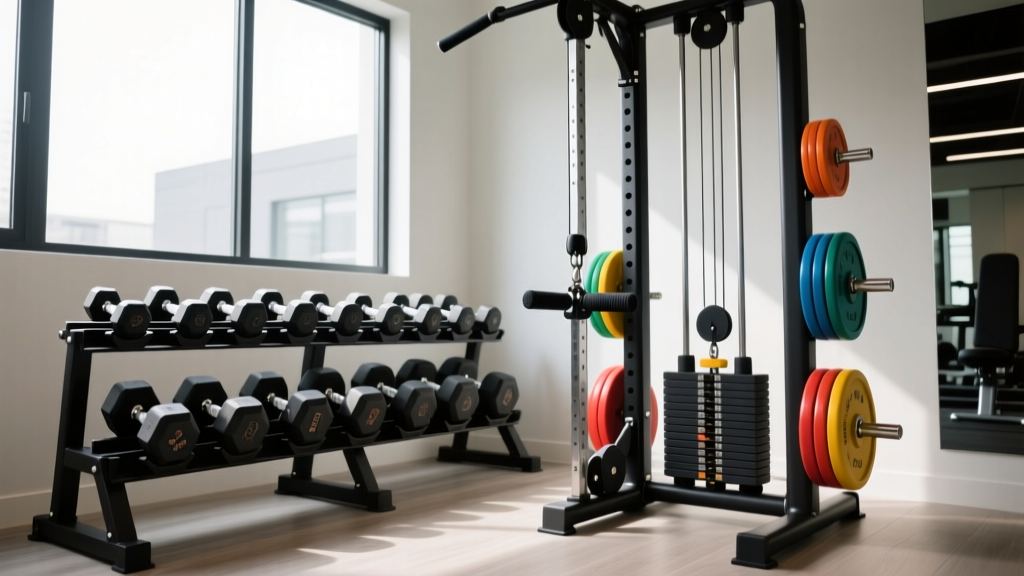
Compact Dumbbell Racks: Layouts for Pull Downs With Dumbbells
Loadable Dumbbell Care for Your 15 Pound Dumbbell Workout
