
Olympic Barbell Knurling Guide & Lying Overhead Dumbbell Pullover
Master your home gym with our 2026 Olympic barbell knurling guide, weight specs, and biomechanics of the lying overhead dumbbell pullover.

The Foundation: Decoding Olympic Barbell Weight and Tensile Strength
Building a comprehensive upper-body and back development program requires a nuanced understanding of your primary loading tools. While heavy axial loading relies on the Olympic barbell, targeted sagittal plane isolation demands precision accessories like the lying overhead dumbbell pullover. As of 2026, the fitness equipment market has bifurcated into budget imports and premium, metallurgically sound bars. Understanding the exact weight tolerances and steel tensile strength is the first step in making an informed purchase.
A standard men's Olympic barbell weighs exactly 20kg (44.09 lbs) and features a 28mm to 29mm shaft diameter. Women's bars weigh 15kg (33.07 lbs) with a thinner 25mm shaft. However, the static weight is secondary to the steel's tensile strength, measured in Pounds per Square Inch (PSI). For a multi-purpose bar that balances the 'whip' needed for Olympic lifts with the rigidity required for heavy pressing, you should target a tensile strength between 190,000 PSI and 205,000 PSI. Bars dipping below 165,000 PSI are prone to permanent deformation (bending) under heavy eccentric loads.
The Science of Knurling: Hill, Volcano, and Mountain Profiles
Knurling is the cross-hatched machining pattern on the barbell shaft designed to increase friction and secure your grip. The depth and shape of this knurl dramatically alter the bar's feel, especially when transitioning from heavy deadlifts to high-volume accessory work.
- Hill Knurl: Features rounded peaks. It is gentle on the hands and ideal for high-rep hypertrophy work or barefoot Olympic lifting variations, but may lack the aggressive bite needed for 1-rep max deadlifts.
- Volcano Knurl: Pioneered by premium manufacturers, this profile cuts deep valleys but leaves a flat, slightly rounded top on the peaks. It provides immense surface area for grip without tearing calluses. According to the engineering specs published by Rogue Fitness, their volcano knurl offers the optimal balance for multi-purpose powerbuilding.
- Mountain Knurl: Extremely aggressive with sharp, pointed peaks. As detailed in the Kabuki Strength New Generation Power Bar documentation, this knurl digs deep into the dermis, essential for maximal powerlifting efforts where chalk and skin adhesion are paramount.
Knurl depth is typically measured in millimeters. A depth of 1.0mm to 1.2mm is considered moderate, while 1.5mm+ is highly aggressive. Furthermore, the presence of a center knurl is a major differentiator. Powerlifters prefer a passive center knurl to grip the upper back during low-bar squats, whereas Olympic weightlifters often prefer no center knurl to prevent neck abrasion during the clean and jerk.
2026 Comparison Matrix: Top Olympic Barbells
| Barbell Model | Weight / Shaft | Tensile Strength | Knurl Profile | Est. Price (2026) |
|---|---|---|---|---|
| Rogue Ohio Bar (Stainless) | 20kg / 28.5mm | 190,000 PSI | Volcano (Moderate) | $395.00 |
| Kabuki NG Power Bar | 20kg / 29mm | 250,000 PSI | Mountain (Aggressive) | $349.99 |
| Eleiko Olympic WL Bar | 20kg / 28mm | 215,000 PSI | Hill (Mild/Refined) | $1,150.00 |
Transitioning to Isolation: The Lying Overhead Dumbbell Pullover
Once the heavy barbell rows and deadlifts are complete, the central nervous system is fatigued, and the grip is heavily taxed. This is where the lying overhead dumbbell pullover becomes an indispensable tool for latissimus dorsi and serratus anterior hypertrophy. According to biomechanical analyses cataloged by ExRx.net, the pullover places the lats under maximum stretch-mediated tension at the bottom of the movement, a critical driver for muscle hypertrophy in 2026 sports science paradigms.
Performing the lying overhead dumbbell pullover requires strict thoracic control. While old-school bodybuilders often performed this movement across a flat bench (perpendicular to the torso) to maximize ribcage expansion, modern physical therapy standards recommend lying parallel on a flat or slight decline bench. This parallel alignment stabilizes the scapulae and significantly reduces the risk of anterior shoulder capsule impingement when the dumbbell is lowered past the ear level.
Grip Fatigue and Dumbbell Selection
There is a direct physiological link between your barbell knurling choice and your pullover performance. An aggressive 'mountain' knurl will strip the outer layers of the epidermis during heavy barbell work, leaving the hands raw. When you transition to the lying overhead dumbbell pullover, holding a single heavy dumbbell by the inner plate or a thick handle can become excruciating or result in a dangerous slip over the face.
Expert Gear Tip: For heavy pullovers post-barbell work, avoid cheap cast-iron hex dumbbells with thick, poorly machined handles. Opt for precision-cast Urethane dumbbells (like those from REP Fitness or Rogue) which feature ergonomic, contoured handles with a mild, uniform knurl that won't tear already-compromised skin. Expect to invest between $3.50 and $5.00 per pound for premium urethane sets in 2026.Biomechanics: Barbell Pulls vs. Dumbbell Pullovers
Understanding the structural differences between these two movement patterns allows for better programming:
- Line of Pull: Barbell bent-over rows provide a horizontal line of pull, targeting the mid-traps, rhomboids, and rear delts. The lying overhead dumbbell pullover provides a vertical-to-horizontal arc, isolating the lats and teres major without involving the biceps brachii as a primary mover.
- Scapular Movement: Barbell rows require dynamic scapular retraction and protraction. The pullover demands scapular upward rotation and stabilization, heavily recruiting the serratus anterior.
- Spinal Loading: Heavy barbell work compresses the spine and requires immense core bracing (intra-abdominal pressure). The pullover, performed lying supine, removes axial spinal loading entirely, making it the perfect accessory for athletes managing lower back fatigue.
Frequently Asked Questions (FAQ)
Can I use an Olympic barbell for pullovers instead of dumbbells?
While the straight-bar pullover exists, it severely limits the range of motion due to the bar striking the chest or face at the bottom of the movement. The lying overhead dumbbell pullover allows the weight to travel safely past the head, maximizing the stretch on the latissimus dorsi. Furthermore, dumbbells allow for independent arm tracking, accommodating individual shoulder mobility restrictions.
How often should I maintain my barbell knurling?
Even high-end stainless steel or hard chrome barbells require maintenance. In 2026, the gold standard is to brush the knurling with a stiff nylon brush after every heavy session to remove chalk and dead skin. Once a month, apply a light coat of 3-in-One oil or specialized barbell oil, let it sit for 10 minutes, and wipe it down. This prevents oxidation, which can dull the peaks of a volcano knurl, turning it into a smooth, ineffective hill profile over time.
What weight should I use for the lying overhead dumbbell pullover?
Because this is a single-joint isolation movement that places high torque on the shoulder girdle, ego-lifting is dangerous. Most intermediate lifters should utilize a dumbbell weighing between 35 lbs and 55 lbs for sets of 10-15 repetitions. Focus on a 3-second eccentric (lowering) phase to maximize stretch-mediated hypertrophy, rather than moving maximal load.
More gear to consider
All reviews
Dumbbell Floor Press vs Dumbbell Bench Press: Top Adjustable Picks

2026 Dumbbell Racks for One Arm Dumbbell Preacher Curl Setups
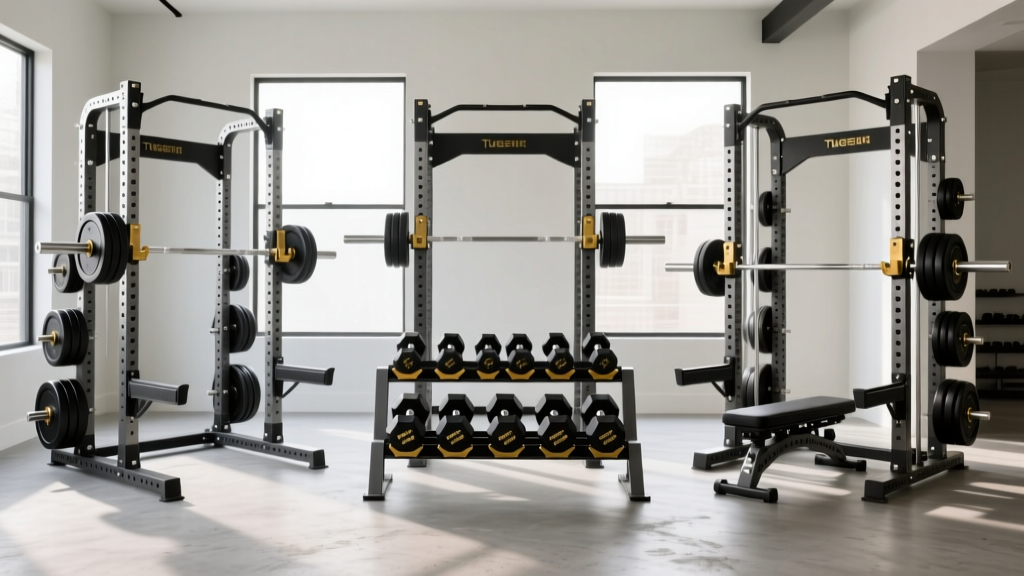
Power Rack vs Squat Rack vs Stand: Tungsten Dumbbell Setup

Olympic Barbell Weight & Knurling: Standing Dumbbell Upright Row Guide
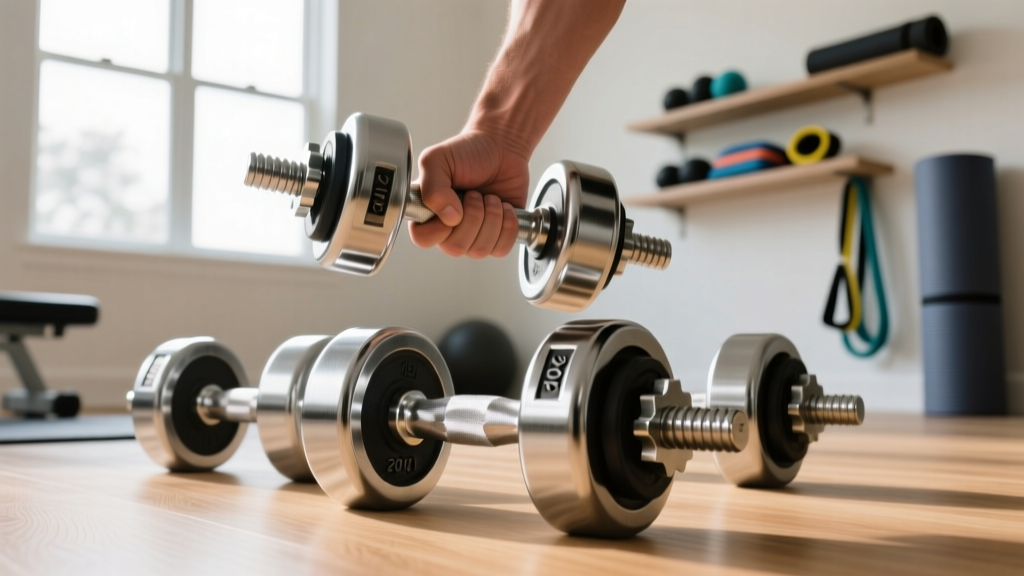
Best Adjustable Dumbbells for a 20 Pound Dumbbell Workout (2026)
