Rubber vs Urethane 50 lb Dumbbell: Care & Longevity Guide
Discover how to maintain your 50 lb dumbbell. We compare rubber hex vs urethane durability, cleaning routines, and storage tips to maximize lifespan.

The Material Divide: Vulcanized Rubber vs. Polyurethane
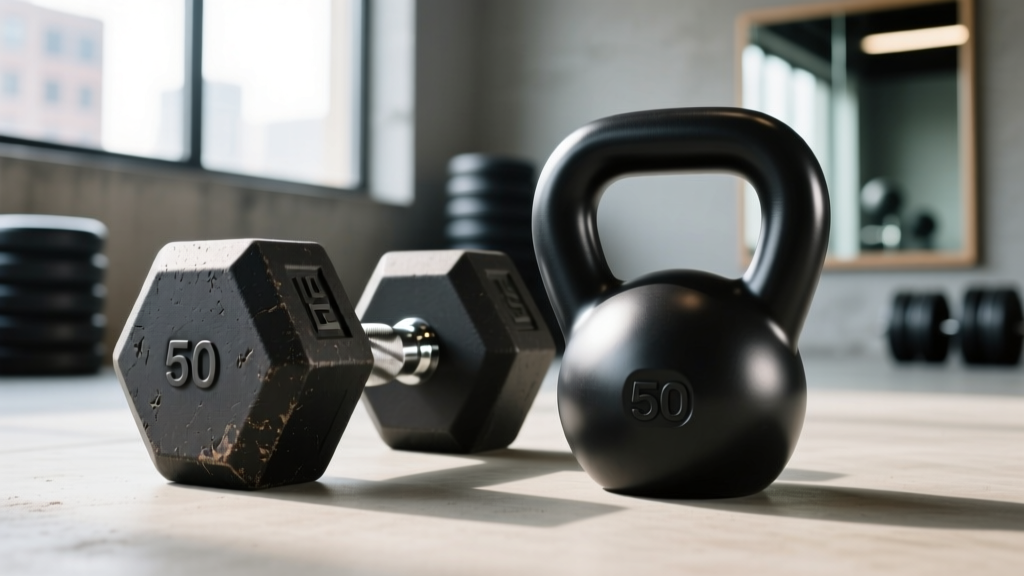
When outfitting a home or commercial gym in 2026, the 50 lb dumbbell remains the undisputed workhorse of the free weight rack. It is heavy enough to stimulate serious hypertrophy and strength gains, yet light enough to be utilized for high-volume accessory work. However, not all 50 lb dumbbells are created equal. The two dominant materials in the industry—vulcanized rubber (typically molded into a hex shape) and polyurethane (urethane)—age, degrade, and respond to maintenance in vastly different ways.
Understanding the molecular and structural differences between these materials is the first step in maximizing the lifespan of your equipment. While a premium urethane 50 lb dumbbell from brands like Rogue Fitness or Eleiko can easily survive two decades of commercial abuse, a budget-friendly rubber hex dumbbell from CAP Barbell or Rep Fitness requires a strict, proactive maintenance protocol to prevent dry rot, edge chipping, and handle separation.
2026 Market Snapshot: Cost vs. Lifespan
As of 2026, supply chain stabilizations have brought the price of entry-level urethane down slightly, but a significant gap remains. Expect to pay $1.50 to $2.25 per pound for virgin rubber hex dumbbells (approx. $75–$112 per 50 lb dumbbell). In contrast, commercial-grade urethane dumbbells command $4.00 to $5.50 per pound (approx. $200–$275 per 50 lb dumbbell). While the upfront cost of urethane is more than double, its 20+ year lifespan often results in a lower total cost of ownership for high-traffic facilities.
Anatomy of Failure: How a 50 lb Dumbbell Degrades
To properly maintain your equipment, you must understand how it fails. A 50 lb dumbbell generates approximately 350 to 400 Newtons of impact force when dropped from a height of three feet onto a standard 3/4-inch rubber horse stall mat. How the dumbbell head absorbs and disperses this kinetic energy dictates its longevity.
Rubber Hex Failure Modes
- Edge Chipping and Tearing: The sharp corners of a hex design are structural weak points. Repeated impacts on hard surfaces cause the vulcanized rubber to micro-tear, eventually leading to large chunks breaking off.
- Ozone Cracking (Dry Rot): Exposure to environmental ozone and UV light breaks down the sulfur bonds used in the vulcanization process. This manifests as a web of micro-fissures on the surface of the dumbbell, turning the rubber brittle.
- Head Wobble (Adhesive/Weld Failure): Cheaper rubber hex models rely on heavy-duty adhesives or shallow spot-welds to secure the rubber head to the steel handle. Over time, the differing expansion and contraction rates of steel and rubber can break this seal, causing a dangerous 'rattle' or wobble.
Urethane Failure Modes
- Deep Gouging: While urethane has incredible elastomeric memory (meaning it bounces back from blunt impacts), it is susceptible to shearing forces. Dragging a urethane 50 lb dumbbell across raw, unsealed concrete or dropping it on exposed steel rack pins can slice deep, permanent gouges into the material.
- Cosmetic Yellowing: Although UV-resistant compared to rubber, lighter-colored urethane can still experience superficial yellowing over a decade of exposure to direct sunlight, though this does not compromise structural integrity.
| Feature | Rubber Hex (e.g., CAP, Rep) | Urethane (e.g., Rogue, Eleiko) |
|---|---|---|
| Material Base | Vulcanized Rubber & Steel Core | Cast Polyurethane & Steel Core |
| UV & Ozone Resistance | Low (Prone to dry rot) | Extremely High |
| Odor / Off-Gassing | High (Initial 30-60 days) | Virtually None |
| Edge Impact Durability | Moderate (Chipping over time) | High (Elastomeric memory) |
| Chemical Sensitivity | High (Degrades with harsh cleaners) | Low (Highly chemical resistant) |
The Ultimate Maintenance and Cleaning Protocol
The most common way gym owners accidentally destroy their rubber hex dumbbells is through improper cleaning. The fitness industry relies heavily on commercial disinfectant wipes that contain quaternary ammonium compounds (Quats) and harsh alcohols. While these chemicals kill bacteria, they actively strip the protective matting agents and waxes out of vulcanized rubber, accelerating dry rot by years.
'Polyurethane's molecular structure provides exceptional resistance to abrasion, tearing, and environmental degradation, making it the industry standard for high-traffic commercial fitness environments where equipment lifespan is measured in decades, not years.'
— Center for the Polyurethanes Industry
Safe Cleaning Agents for Rubber Hex
- Daily Wipe Down: Use a damp microfiber cloth with a solution of warm water and a few drops of pH-neutral dish soap (like Dawn). This removes chalk, sweat, and sebum without degrading the rubber.
- Disinfection: If you must disinfect, use a 50/50 mix of white vinegar and water, or a hydrogen peroxide-based gym spray. Avoid bleach, ammonia, and Lysol wipes at all costs.
- Conditioning (Quarterly): Apply a water-based rubber protectant (such as 303 Aerospace Protectant). Never use petroleum-based tire shines or Armor All, as petroleum distillates will dissolve the sulfur bonds in the rubber.
Safe Cleaning Agents for Urethane
Urethane is remarkably resilient. You can safely use 70% isopropyl alcohol or standard Quat-based gym wipes on urethane dumbbells without fear of structural degradation. However, frequent use of high-concentration alcohols can eventually dull the matte finish of premium urethane, so a mild soap and water solution remains the best daily practice to preserve the aesthetic.
Storage Environments: UV, Ozone, and Temperature
Where you store your 50 lb dumbbells when not in use is just as critical as how you clean them. According to the EPA's guidelines on indoor air quality and VOCs, newly manufactured rubber hex dumbbells will off-gas volatile organic compounds for the first 30 to 60 days. During this period, they should be kept in a well-ventilated area, preferably with an air purifier running, to prevent the 'tire shop' smell from permeating your home or facility.
For long-term storage, environmental control is paramount:
- UV Exposure: Direct sunlight is the enemy of vulcanized rubber. UV rays catalyze the breakdown of the polymer chains, leading to surface chalking and brittleness. Always store rubber hex dumbbells indoors or in heavily shaded areas. Urethane, conversely, contains built-in UV inhibitors that allow it to withstand indirect sunlight without degrading.
- Ozone Generators: Many gym owners use ozone generators to eliminate odors overnight. Do not use ozone generators in a room containing rubber hex dumbbells. Ozone aggressively attacks the double bonds in rubber, causing rapid, severe cracking. Urethane is highly ozone-resistant and will not be affected.
- Temperature Swings: Extreme cold (below 40°F) makes rubber temporarily brittle, increasing the risk of shattering if dropped. Keep your gym climate-controlled between 60°F and 80°F to maintain the optimal durometer (hardness) of the rubber.
Step-by-Step Restoration: Reviving a Neglected 50 lb Dumbbell
If you have acquired a used set of rubber hex dumbbells or neglected your current set, follow this restoration protocol to salvage them before dry rot sets in permanently.
- The Deep Scrub: Mix warm water with a heavy-duty, non-petroleum degreaser (Simple Green diluted at 10:1). Use a stiff-bristle nylon brush to aggressively scrub the hex heads, removing years of embedded chalk, dead skin, and oxidized rubber dust. Rinse with a damp cloth and let dry completely.
- Structural Integrity Test: Strike the rubber head firmly with a rubber mallet. A solid 'thud' indicates a healthy bond to the steel core. A hollow rattle or buzzing sound means the internal weld or adhesive has failed. Discard or professionally repair rattling dumbbells immediately, as the head can detach during a lift.
- Handle Reconditioning: If the chrome or zinc-plated handle is rusted or pitted, use a wire wheel attachment on a rotary tool to strip the oxidation. Wipe clean, then apply a light coat of 3-in-One oil or a dedicated barbell rust-preventative spray to seal the metal.
- Rubber Hydration: Once dry, massage a generous coat of water-based rubber conditioner into the hex heads. Allow it to penetrate for 24 hours before wiping off the excess. This will restore a deep black color and provide a temporary barrier against moisture loss.
Final Verdict: Which Material Wins the Longevity Test?
When evaluating the 50 lb dumbbell through the lens of pure longevity and minimal maintenance, urethane is the undisputed champion. Its resistance to UV light, ozone, impact tearing, and harsh cleaning chemicals makes it a 'buy it for life' investment. For commercial gyms, outdoor facilities, or home gym owners who want a zero-maintenance, odor-free experience, the premium price tag of urethane is entirely justified.
However, the rubber hex dumbbell remains a highly viable, budget-friendly option for those willing to commit to a strict maintenance routine. By avoiding Quat-based cleaners, keeping the weights out of direct sunlight, and applying quarterly water-based conditioners, you can easily extend the life of a rubber hex 50 lb dumbbell to a decade or more. Ultimately, the best dumbbell is the one you maintain consistently—regardless of the material encasing the steel.
For more detailed equipment specifications and commercial facility standards, refer to manufacturer guidelines from industry leaders like Rogue Fitness and consult your local health and safety regulations regarding gym equipment sanitation.
More gear to consider
All reviews
Bumper vs Iron Plate Storage and Dumbbell Squeeze Press Layouts

Budget Dumbbell Racks for the Ultimate Arm Workout Using Dumbbells

Dumbbell to Barbell Bench Conversion: Squat vs Power Rack

Best Neoprene Dumbbells for Dumbbell Complex Exercises (2026)

Upgrading From Standing Dumbbell Calf Raises: Collar Guide