Bumper vs Iron Plate Budget Breakdown & Single Arm Dumbbell Press GIF
Compare bumper vs iron plates with our 2026 budget breakdown. Analyze cost-per-pound, hidden flooring taxes, and sleeve space for unilateral lifts.

The 2026 Price-Per-Pound Reality Check
Building a home gym or upgrading a commercial facility in 2026 requires a ruthless examination of your budget. When it comes to free weights, the debate between bumper plates and cast iron plates is rarely just about aesthetics; it is a complex financial decision involving upfront costs, hidden infrastructure taxes, and long-term depreciation. According to comprehensive equipment analyses by Garage Gym Reviews, the price-per-pound gap between cast iron and virgin rubber bumpers has widened over the last few years due to global rubber supply chain shifts and raw steel pricing.
Cast iron plates, such as the classic Rogue Deep Dish or Titan Fitness Machined Iron, currently hover between $1.60 and $2.20 per pound. In contrast, high-density virgin rubber bumpers (like the Rogue Black Bumper Plates) command a premium, often ranging from $4.50 to $6.50 per pound. While iron seems like the undisputed budget champion at first glance, a true value analysis requires looking beyond the sticker price.
Cost & Specification Matrix
| Plate Type | Material | Avg 2026 Cost/lb | Thickness (10lb Plate) | Drop Rating |
|---|---|---|---|---|
| Cast Iron | Machined Steel/Iron | $1.60 - $2.20 | ~1.2 inches | Low (Floor Damage Risk) |
| Crumb Bumper | Recycled Rubber | $2.80 - $3.50 | ~2.8 inches | Medium (Dead Bounce) |
| Virgin Rubber | High-Density Rubber | $4.50 - $6.50 | ~1.5 inches | High (15,000+ Drops) |
Unilateral Training and the Sleeve Space Dilemma
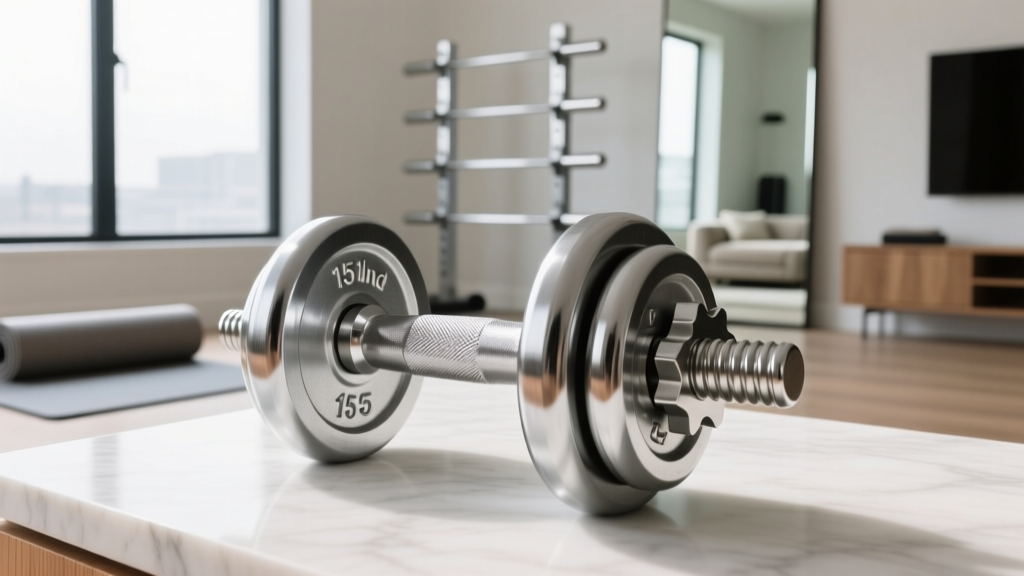
Budgeting for plates isn't just about barbell work; it heavily impacts your dumbbell training ecosystem, particularly if you utilize loadable dumbbell handles. Consider unilateral movements. If you have ever analyzed a single arm dumbbell press gif to correct your pressing mechanics and core anti-rotation, you likely understand the immense value of loadable dumbbell handles for heavy, odd-weight increments. They allow you to mimic the stabilizer demands of fixed dumbbells without buying a $400 rack of neoprene weights.
However, standard 10-inch loadable dumbbell sleeves cannot accommodate multiple thick bumper plates. A 10lb cast iron plate is roughly 1.2 inches thick, allowing you to stack over 80lbs on a single 10-inch sleeve. Conversely, a 10lb crumb bumper plate is often over 2.5 inches thick. If you attempt to use bumpers on loadable dumbbell handles for your unilateral presses, you will max out the physical sleeve space before you reach challenging weights. For athletes prioritizing heavy unilateral accessory work on a budget, cast iron or specialized fractional steel plates win the spatial efficiency battle hands down.
The Hidden 'Floor Tax' and Equipment Depreciation
One of the most critical, yet frequently overlooked, aspects of the bumper vs. iron plate budget breakdown is the 'Floor Tax.' Cast iron is unforgiving. Dropping a 225lb barbell loaded with iron plates onto a standard residential concrete garage floor will eventually cause concrete spalling, micro-fractures, and catastrophic cracking. To safely use iron plates, you must invest in heavy-duty flooring.
Infrastructure Cost Warning: To protect your floor from iron plate drops, you will need 3/4-inch thick vulcanized horse stall mats. At current 2026 pricing, these cost between $55 and $85 per 4x6 foot mat. A standard 10x10 lifting platform requires at least four mats and plywood, adding $350 to $500 to your initial gym budget. Bumper plates, while more expensive upfront, can often be used directly on sealed concrete for Olympic lifts, potentially offsetting their higher per-pound cost.
Furthermore, iron plates degrade the barbell itself. The harsh metal-on-metal impact of dropping iron plates accelerates the wear on your barbell's sleeve bushings and bearings. As noted in equipment longevity tests by BarBend, the shock absorption provided by rubber bumpers significantly extends the lifespan of your Olympic barbell's internal mechanics, saving you from a $300 barbell replacement down the line.
Failure Modes: Rust vs. Rubber Degradation
When analyzing long-term value, you must account for how each plate type fails over a 5-to-10-year lifespan.
Cast Iron Failure Modes
- Oxidation and Rust: Unless you buy expensive urethane-coated iron, standard painted or bare cast iron will oxidize in humid or unclimate-controlled garages. You will need to periodically wire-brush and re-coat them with 3-in-One oil or Rust-Oleum.
- Paint Chipping: Dropped iron plates chip their enamel paint, leaving black dust all over your gym floor and requiring aesthetic touch-ups.
Bumper Plate Failure Modes
- Insert Ring Pop-Outs: The most common failure in budget bumper plates (especially sub-$3.00/lb imported crumb rubber) is the steel center insert separating from the rubber matrix during heavy drops. Once the hooked insert pulls through the rubber, the plate is entirely useless.
- Rubber Degradation: Cheap recycled rubber dries out, cracks, and sheds black dust when exposed to UV light or extreme cold. Virgin rubber avoids this but comes at the aforementioned premium.
Final Budget Decision Matrix
Who Should Buy Cast Iron?
Allocate your budget to Cast Iron if you are a powerlifter or bodybuilder who primarily performs controlled eccentrics (squats, bench presses, strict rows) and rarely drops the barbell from overhead. Iron is also mandatory if you utilize loadable dumbbells for unilateral work like the single arm dumbbell press, where sleeve space is at a premium. Expect to spend ~$350 for a 250lb set, plus $200 for protective flooring.
Who Should Buy Bumper Plates?
Allocate your budget to Bumper Plates if you are an Olympic weightlifter, CrossFit athlete, or functional fitness enthusiast who routinely drops weights from the hip, chest, or overhead. The IWF-standard 450mm diameter ensures that all plates hit the floor simultaneously, protecting your barbell and your floor. Expect to spend ~$900+ for a 230lb set of virgin rubber bumpers, but you can safely subtract the cost of heavy plywood platforming from your infrastructure budget.
Ultimately, the choice between bumper and iron plates in 2026 is not about which is universally 'better,' but which offers the highest return on investment for your specific training modalities, spatial constraints, and flooring infrastructure.
More gear to consider
All reviews
Dumbbell Wall Sit Setup: Neoprene Weights & Storage Guide

EZ Curl vs Straight Bar Care and the Dumbbell Row Exercise
Budgeting for Dumbbell Lateral Raises Muscles: Loadable Guide
Troubleshoot Dumbbell Draw Grip & Olympic Barbell Knurling

Beginner's 4 Day Dumbbell Workout Using Neoprene Home Weights