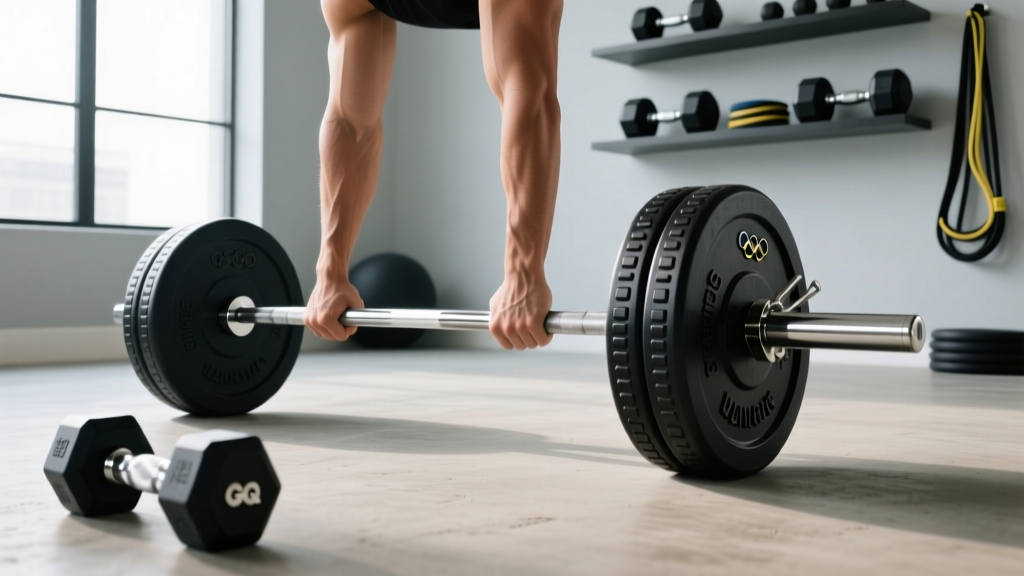
Barbell Setup & Knurling: Beyond Chest and Back Dumbbell Exercises
Master your gym setup with our Olympic barbell buying guide. Learn knurling types, weight tolerances, and transition from chest and back dumbbell exercises.

The Ceiling of Chest and Back Dumbbell Exercises
For years, your home gym foundation has likely relied on adjustable dumbbells or a fixed rack to hammer out chest and back dumbbell exercises. While movements like the heavy dumbbell floor press, single-arm Pendlay row, and incline dumbbell flye are phenomenal for hypertrophy and addressing muscular imbalances, they eventually hit a hard ceiling. By 2026, commercial-grade adjustable dumbbells max out around 120 to 150 pounds per hand, and maneuvering them into position for heavy incline presses becomes a dangerous, energy-leaking circus. To truly overload the central nervous system and break through plateaus, you must transition to an Olympic barbell setup.
This guide serves as your complete buying walkthrough for selecting the right Olympic barbell based on weight tolerances and knurling profiles, followed by a step-by-step installation and setup guide to integrate it seamlessly into your existing power rack.
Olympic Barbell Buying Guide: Weight, Steel, and Tolerances
When upgrading from chest and back dumbbell exercises to barbell work, the first decision is selecting the right shaft. Not all 45-pound bars are created equal. The steel's tensile strength, measured in PSI (pounds per square inch), dictates how much the bar will bend (whip) under load and its permanent deformation threshold.
Decoding Tensile Strength and Shaft Diameter
- 190,000 PSI or lower: Found in budget bars ($150-$200). Prone to permanent bending if dropped with heavy loads. Avoid for serious powerlifting.
- 190,000 - 205,000 PSI: The sweet spot for multi-purpose and powerlifting bars. The Rogue Ohio Power Bar sits at 205k PSI, offering a remarkably stiff shaft ideal for heavy bench pressing and squats without excessive whip.
- 215,000+ PSI: Elite competition bars (e.g., Eleiko, Uesaka). Extremely stiff and durable, but often costs upwards of $800-$1,200.
Furthermore, shaft diameter matters. A 29mm shaft is standard for powerlifting, providing a rigid feel for heavy pressing. A 28mm shaft is used in Olympic weightlifting to allow for 'whip' during the clean and jerk. If you are transitioning from dumbbells and want a hybrid bar for both benching and occasional deadlifts, a 28.5mm multi-purpose bar with bronze bushings is your best 2026 investment.
Bushing vs. Bearing: The Sleeve Spin
The mechanism that connects the rotating sleeve to the static shaft dictates the bar's feel. Bronze or composite bushings provide a slow, controlled spin. This is ideal for powerlifting (squats, bench presses) where you don't want the bar spinning out of your hands during a heavy unrack. Needle bearings, conversely, allow for a rapid, frictionless spin, which is mandatory for Olympic weightlifting (cleans and snatches) to prevent the bar from tearing the calluses off your hands during the turnover. For a home gym focused on heavy pressing and rowing, a high-quality bronze bushing bar in the $250–$350 range is the most economical and practical choice.
The Grip Factor: A Deep Dive into Barbell Knurling
Knurling is the machined pattern on the steel shaft that creates friction against your skin. According to BarBend's Comprehensive Guide to Barbell Knurling, the depth and geometry of these cuts drastically alter your grip security, especially when sweat becomes a factor during heavy back squats or bench press lockouts.
| Knurl Type | Geometry Profile | Best Use Case | Aggressiveness |
|---|---|---|---|
| Hill | Shallow, rounded peaks with wide valleys | High-rep hypertrophy, beginners, CrossFit | Low (Smooth) |
| Mountain | Sharp, pointed peaks that dig into the skin | Deadlifts, heavy powerlifting | High (Aggressive) |
| Volcano | Crater-like rims with sharp edges but flat centers | All-around powerlifting, squats, bench | Medium-High (Grippy but not tearing) |
If your primary goal is the back squat, a center knurl is non-negotiable. It grips the fabric of your t-shirt or bare back, preventing the bar from sliding during heavy walkouts. However, if you exclusively do front squats and Olympic lifts, a smooth center ring is preferable to avoid scraping your collarbone during the clean catch.
Complete Setup and Installation Walkthrough
Getting the barbell is only half the battle. Proper installation of your barbell and rack ecosystem ensures safety and biomechanical accuracy. Follow this exact walkthrough to set up your station.
Step 1: Unboxing and Factory Degreasing
Olympic barbells ship with a thick layer of factory oil to prevent rust during transit. Do not use this bar straight out of the box; it will be dangerously slippery for chest and back dumbbell exercises replacements like the barbell row.
- Wipe down the entire shaft and sleeves with a microfiber towel and a mild degreaser or WD-40 Specialist.
- Use a stiff nylon brush to gently scrub the knurling valleys, removing trapped oil and metal shavings.
- Apply a light coat of 3-in-One oil or a dedicated barbell care oil to the sleeves and shaft to establish a protective rust barrier.
Step 2: Rack J-Cup Calibration for the Bench Press
When transitioning from dumbbell presses to the barbell bench press, J-cup spacing is critical for shoulder safety and optimal lat engagement.
- Width: According to International Weightlifting Federation and IPF standards, the inner distance between J-cups should be exactly 22.5 inches (57.15 cm). This allows you to unrack the bar without excessive lateral shoulder strain while keeping your lats tucked.
- Height: Set the J-cups so that when you lie on the bench and reach up, your elbows have a slight bend (about 10-15 degrees). If your elbows are fully locked to reach the bar, the cups are too high, wasting energy on the unrack.
Step 3: Safety Spotter Arm Placement
Unlike dumbbells, which you can simply drop to the floor when failing a rep, a barbell can pin you. Install your safety spotter arms or pin pipes one hole (usually 2-3 inches) below your maximum chest expansion depth. Test this with an empty barbell first: lower the bar to your sternum, ensuring the safeties catch it just before it compresses your ribcage.
2026 Barbell Maintenance Schedule- Weekly: Wipe down shaft with a dry nylon brush to remove chalk and dead skin.
- Monthly: Apply 3-4 drops of 3-in-One oil to the sleeve-to-shaft seam and spin the sleeve to work the oil into the bushings.
- Bi-Annually: Deep clean knurling with a mild degreaser and re-oil the entire shaft to prevent oxidation, especially in non-climate-controlled garages.
Programming the Transition: Dumbbell to Barbell
Moving from chest and back dumbbell exercises to barbell compounds requires a shift in programming logic. Dumbbells allow for a greater range of motion and unilateral stabilization. Barbells allow for absolute maximum load and bilateral force production.
'The barbell is a tool for maximum neurological overload, while the dumbbell is a tool for maximum muscular stretch and symmetry. A complete 2026 training program utilizes the barbell for the primary heavy compound lift (e.g., Barbell Bench Press for 5x5), followed by dumbbell accessory work (e.g., Incline Dumbbell Press for 3x10) to capture the best of both worlds.'
Ensure your new barbell setup includes adequate collar clearance. Standard Olympic sleeves are 16.3 inches long. If you plan on doing heavy deficit deadlifts or using thick bumper plates, verify that your rack width (typically 49 inches outside-to-outside for standard power racks) accommodates the plates without scraping the uprights during the pull.
Final Thoughts on Your Gym Upgrade
Upgrading your home gym to include a high-quality Olympic barbell with the correct knurling profile and tensile strength is a non-negotiable step for advanced lifters. By understanding the nuances of steel specifications and meticulously following this installation walkthrough, you create a safe, competition-grade environment. You will finally break through the loading limitations of chest and back dumbbell exercises and unlock years of progressive overload.
More gear to consider
All reviews
What Size Dumbbells Should I Use? The Case for Kettlebells in 2026

Fix Bent Over Rows Dumbbell Form: Olympic vs Standard Plate Guide
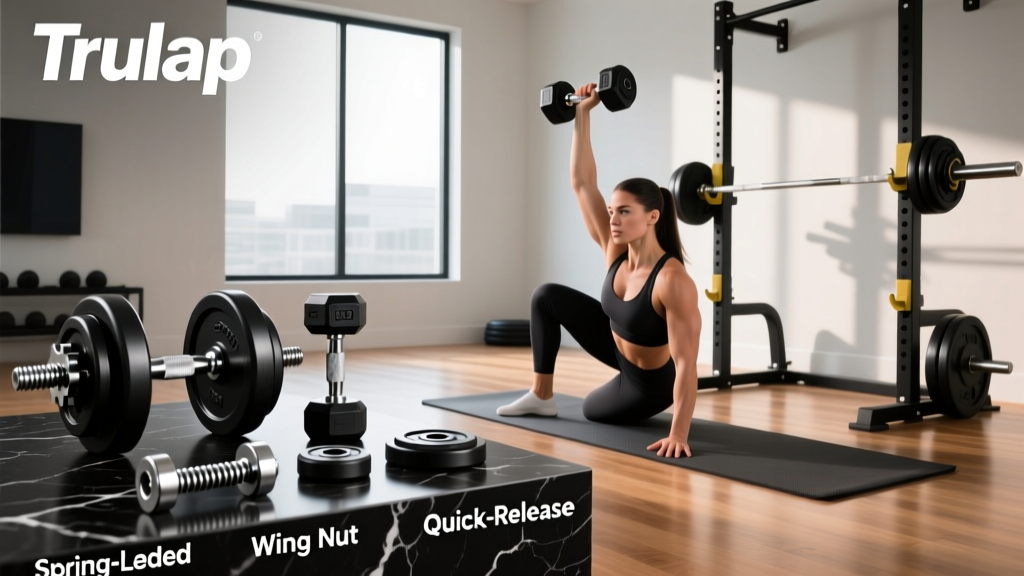
Trulap Dumbbell Review & Setup: Barbell Collar Clamp Types Compared
Olympic Barbell Guide: Weight, Knurling & Standing Dumbbell Flys Chest

Lying Triceps Dumbbell Extension & Barbell Collar Setup Walkthrough
