
Barbell Collar & Clamp Types for Rows and Dumbbell Lifts for Back
Compare barbell collars, clamps, and spinlock nuts to secure plates during heavy rows and dumbbell lifts for back. Find the safest 2026 gear.

The Biomechanics of Back Day: Why Equipment Security is Non-Negotiable
Back training involves some of the highest shear forces and dynamic torque variations in any lifting program. According to biomechanical analyses of the bent-over row, the lumbar spine and hip hinge act as a fulcrum while the upper body manages extreme lever arms (ExRx Biomechanics Directory). When you load a barbell for Pendlay rows or prepare for heavy unilateral dumbbell lifts for back development, the security of your weight plates is not just a matter of convenience—it is a critical safety variable.
A shifting 45lb plate during a 315lb barbell row creates an immediate asymmetrical load, generating dangerous torsional stress on the spine. Similarly, poorly secured adjustable dumbbells can rattle loose during high-rep pulling movements, leading to crushed toes or torn rotator cuffs. In 2026, the market offers a highly specialized range of collars, clamps, and locking nuts designed to mitigate these exact risks. This guide breaks down the engineering, failure modes, and best applications for every major collar type on the market.
Barbell Collar and Clamp Types Comparison Matrix
Not all collars are created equal. The table below compares the four primary locking mechanisms used in commercial and home gyms today, factoring in 2026 average pricing and drop-test durability.
| Collar Type | Model Example (2026) | Avg. Price | Drop-Test Rating | Best Application |
|---|---|---|---|---|
| Spring Clip | Rogue HG 2.0 | $15.00 | Low (Fails >1m) | General pressing, light rows |
| Lever / Clamp | Eleiko Olympic Training | $55.00 | High (IWF Certified) | Olympic lifts, heavy barbell rows |
| Resin Lock-Jaw | Lock-Jaw Pro | $35.00 | Medium-High | CrossFit, dynamic T-bar rows |
| Spinlock Nut | CAP Barbell Star Nut | $12.00 | N/A (Threaded) | Standard dumbbell lifts for back |
Deep Dive: Barbell Collar Mechanisms
1. Spring Collars (The Traditional Standard)
Spring collars, like the Rogue Fitness HG 2.0 Collars, rely on the outward radial tension of heavy-gauge steel wire. They are lightweight, inexpensive, and allow for rapid weight changes during superset back routines. However, their primary failure mode is 'bar whip'. During explosive movements like the Meadows row, the elastic deformation of the barbell can momentarily break the friction seal of the spring, allowing plates to slide outward. They are strictly recommended for controlled, non-dropping movements.
2. Lever and Aluminum Clamp Collars (The Heavy-Duty Choice)
For powerlifters and strongmen pulling maximal loads, aluminum lever collars are the gold standard. The Eleiko Weightlifting Collars utilize a forged aluminum body with a hardened steel tension pin that physically bites into the barbell sleeve. This creates an immovable lock that survives 2-meter drop tests. The trade-off is bulk and weight (often over 2.5 lbs per pair), which can interfere with the grip width required for wide-grip snatch-grip high pulls.
3. Resin and Lock-Jaw Collars (The Drop-Test Champions)
Molded from glass-filled nylon, resin clamps like the Lock-Jaw Pro use a dual-latch mechanism to snap tightly around the 50mm sleeve. They excel in environments where barbells are frequently dropped from the hip or chest, such as during high-rep Gorilla rows or CrossFit metcons. Unlike metal clamps, they will not chew up the zinc or chrome finish of your barbell sleeves, but the plastic hinges can become brittle over years of exposure to unheated garage gyms in freezing climates.
Securing Spinlock Dumbbells for Back Workouts
While much of the collar conversation centers on 50mm Olympic barbells, adjustable spinlock dumbbells remain a staple in home gyms for targeted posterior chain work. When performing unilateral dumbbell lifts for back hypertrophy—such as the single-arm dumbbell row or the dumbbell pullover—the equipment is subjected to severe eccentric vibration.
'The eccentric phase of a heavy single-arm row generates up to 30% more vibrational force through the dumbbell handle than the concentric pull. If your collar system relies solely on basic friction, it will fail by the third working set.'
— 2025 Biomechanics in Strength & Conditioning Report
The Failure Mode: Standard cast-iron star nuts rely purely on friction against the threaded sleeve. During the eccentric (lowering) phase of a heavy single-arm row, the sudden deceleration at the bottom of the movement creates a micro-vibration that gradually walks the nut outward. By the third set, a 45lb plate can slide completely off the sleeve.
Expert Fix: Upgrade to nylon-insert lock nuts (often sold as 'pro spinlock nuts') or use a rubber mallet to firmly seat the plates before tightening. For 2-inch Olympic loadable dumbbell handles, use miniature versions of the Lock-Jaw clamps rather than standard spring clips, which lack the clamping force to hold plates during dynamic pulling movements.Real-World Failure Modes: What Goes Wrong?
Understanding edge cases separates novice buyers from informed lifters. Here are the most common equipment failures observed during back training:
- Knurling Destruction: Metal lever collars use a steel pin to grip the sleeve. Repeatedly sliding them on and off the knurled portion of a multi-purpose bar will grind down the knurling over time. Always slide collars onto the smooth sleeve lip first, then push them inward to meet the plates.
- Plate Hub Tolerances: Cast iron plates have manufacturing tolerances that leave microscopic gaps between the plate hub and the dumbbell sleeve. When performing dumbbell lifts for back development, this gap causes the 'clanking' sound and vibration that loosens the nut. Inserting a thin rubber friction pad or using precision-milled steel plates eliminates this gap.
- Plastic Fatigue in Cold Gyms: ABS plastic collars left in unheated garages (below 40°F) lose their flexibility. The latches can snap cleanly off when forced over a tightly toleranced Olympic sleeve in winter months.
2026 Buyer's Decision Framework
Use this framework to match your collar investment to your specific training style:
- The Powerlifter / Strongman: Invest in Lever/Clamp collars ($50-$70). The absolute zero-slip guarantee is mandatory for heavy, static holds and maximal bent-over rows.
- The CrossFit / Functional Fitness Athlete: Choose Resin Lock-Jaw collars ($30-$40). They survive drops from overhead and won't crack when a loaded barbell is dumped onto a rubber mat.
- The Home Gym Generalist: Keep a pair of heavy-duty spring collars ($15) for quick superset transitions, but upgrade to nylon-insert spinlock nuts ($18) specifically for your dumbbell lifts for back days.
Frequently Asked Questions
Can I use barbell collars on Olympic dumbbell handles?
Yes, but with caveats. Olympic loadable dumbbell handles typically have shorter sleeves (around 6 to 8 inches). Standard lever collars can be too bulky, interfering with your grip or wrist extension during movements like the dumbbell shrug or pullover. We recommend low-profile resin clamps specifically designed for dumbbell sleeves for these dumbbell lifts for back and trap work.
Do I need to collar my barbell during strict chest-supported rows?
While the risk of plates sliding off is lower on an incline bench or chest-supported machine, collaring is still a mandatory safety habit. If you fail a rep and tilt the barbell to dump the weight, an uncollared plate can slide off the elevated end and become a dangerous projectile in a crowded gym.
How often should I replace my spring collars?
Spring collars lose their radial tension over time due to metal fatigue. If you can easily slide a spring collar onto a 50mm barbell without using the release lever, the spring is dead and must be replaced. For heavy lifters, this typically occurs every 12 to 18 months of regular use.
More gear to consider
All reviews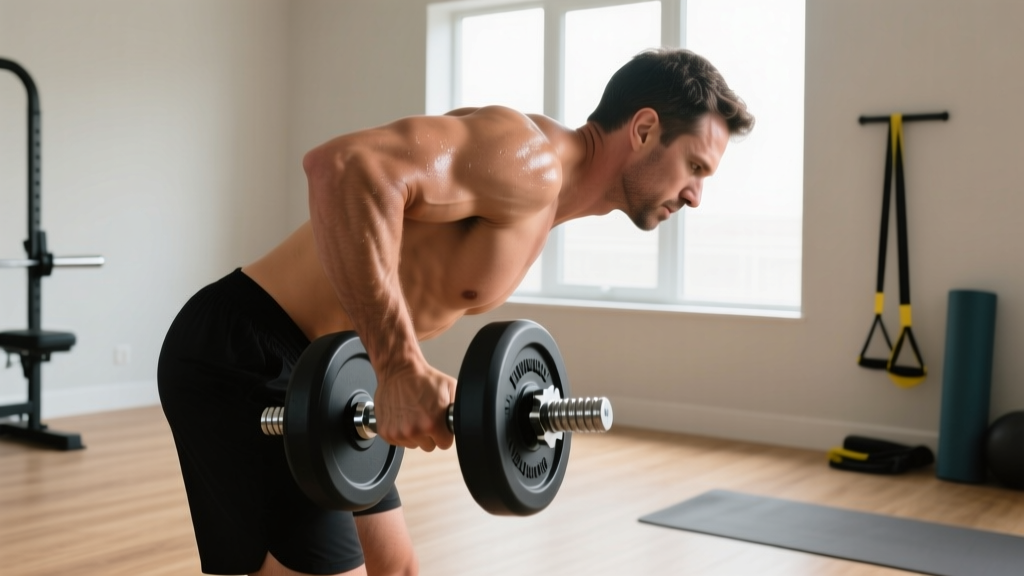
Best Dumbbell Lower Back Exercises: Adjustable Dumbbell Mistakes

Full Upper Body Workout With Dumbbells: Adjustable Dumbbell Comparison

Better Than Any Dumbbell Exercise to Lose Stomach Fat: Barbell Guide
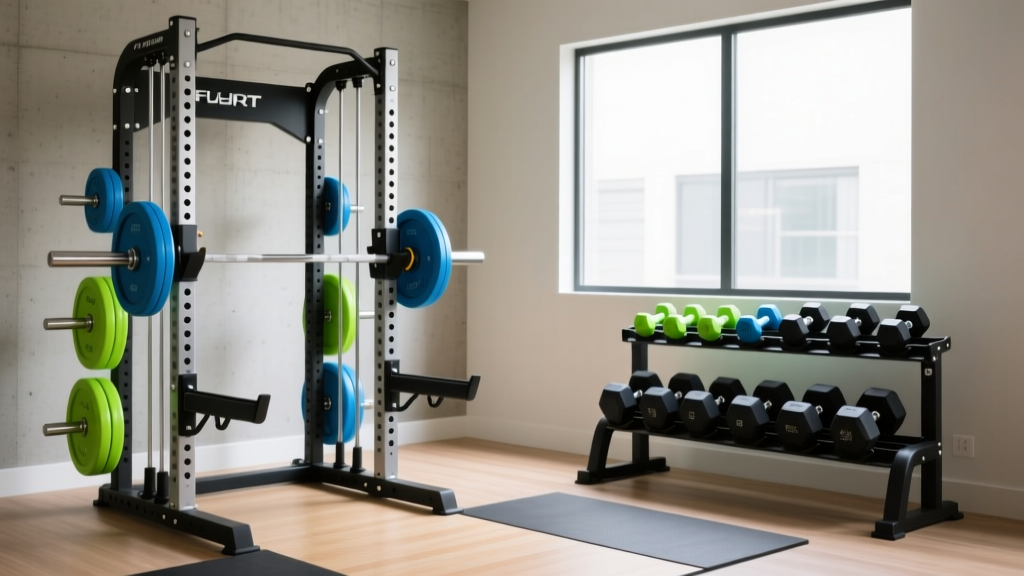
Power Rack vs Squat Stand Setup for Aerobic Dumbbell Exercises

Trulap Dumbbell Setup: Beginner Guide to Neoprene Home Weights
