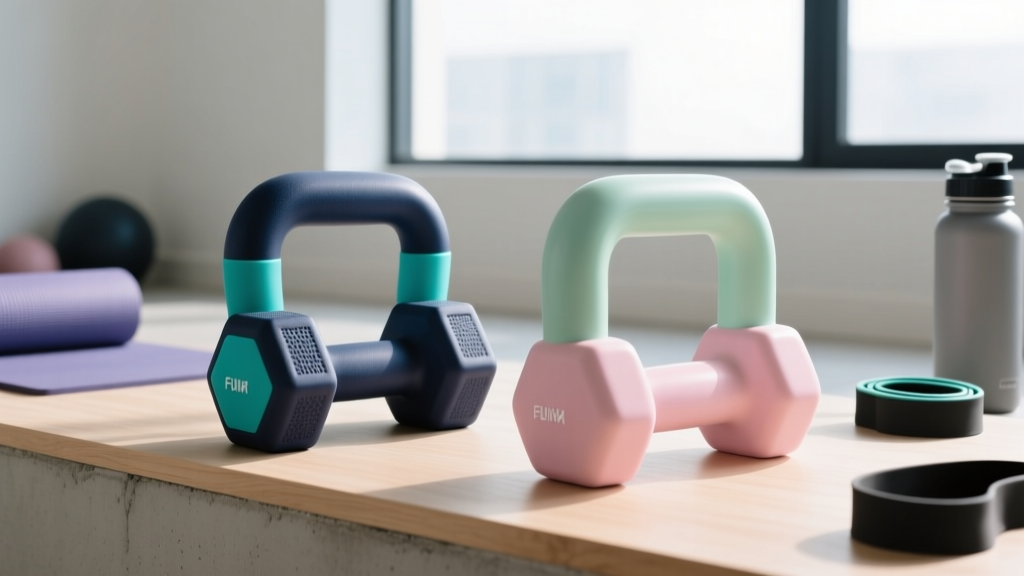
Arm Workout Dumbbells Women Prefer: Rubber Hex vs Urethane Care
Discover how to maintain the arm workout dumbbells women prefer. We compare rubber hex vs urethane coatings, cleaning tips, and longevity tricks.

The Evolution of Home Gym Gear: Why Coating Matters for Arm Workouts
When building a home gym tailored for upper body conditioning, selecting the right equipment goes far beyond just picking a weight. For the targeted arm workout dumbbells women rely on for everything from high-rep lateral raises to heavy tricep extensions, the outer coating of the dumbbell dictates its lifespan, hygiene, and overall user experience. As of 2026, the fitness equipment market has largely narrowed down to two dominant coatings for hex-style and round dumbbells: vulcanized rubber and cast urethane.
While both materials protect your floors and dampen noise, their chemical compositions react very differently to sweat, UV light, and cleaning agents. Understanding the maintenance care and longevity profiles of rubber hex versus urethane dumbbells is critical for protecting your investment and ensuring your gear remains safe and sanitary for years of continuous use.
Quick Summary: Rubber hex dumbbells (like the CAP Barbell series) are budget-friendly but require strict UV protection and gentle cleaning to prevent dry rot. Urethane dumbbells (like those from Rogue or Rep Fitness) cost nearly double per pound but offer virtually indestructible, odorless longevity with minimal maintenance.Material Breakdown: Rubber Hex vs. Urethane Dumbbells
To properly maintain your equipment, you must first understand the material science behind the coating. The physical properties of these elastomers determine how they will age in a residential or garage gym environment.
Rubber Hex Dumbbells (The Budget-Friendly Workhorse)
Rubber hex dumbbells are typically manufactured using recycled or virgin rubber that is vulcanized and bonded to a cast iron or steel core. In 2026, standard pricing for quality rubber hex dumbbells hovers between $1.20 and $1.80 per pound. They are famous for their anti-roll hexagonal heads, making them ideal for floor-based arm workouts like renegade rows or weighted crunches.
- Pros: Highly affordable, excellent floor protection, anti-roll geometry.
- Cons: Initial off-gassing odor, susceptible to ozone and UV degradation, can become sticky over time if exposed to harsh chemicals.
Urethane Dumbbells (The Premium Standard)
Urethane is a synthetic, high-density elastomer that has become the gold standard for commercial gyms and premium home setups. According to equipment testing by Garage Gym Reviews, urethane is vastly superior in impact resistance and environmental stability. Pricing reflects this premium, generally ranging from $2.80 to $4.50 per pound for top-tier models like the Rogue Urethane Dumbbells.
- Pros: Zero odor, highly resistant to UV and sweat, maintains structural integrity under extreme temperature fluctuations.
- Cons: High upfront cost, metal logo inserts can scratch if dropped on concrete.
Head-to-Head Comparison Matrix
| Feature | Rubber Hex Dumbbells | Urethane Dumbbells |
|---|---|---|
| Cost per Pound | $1.20 - $1.80 | $2.80 - $4.50 |
| UV / Ozone Resistance | Low (Prone to dry rot) | Exceptional |
| Sweat / Moisture Reaction | Can degrade and turn sticky | Impervious to salts and acids |
| Odor Profile | Strong initial rubber smell | Odorless |
| Expected Lifespan | 5-10 Years (with strict care) | 20+ Years / Lifetime |
Maintenance Protocols: Extending the Life of Your Dumbbells
When performing the best arm workout dumbbells women use for hypertrophy—such as 3 sets of 15-20 reps of bicep curls or overhead tricep extensions—grip friction and sweat accumulation are at their highest. Human sweat contains urea, lactic acid, and sodium chloride, all of which can accelerate the breakdown of inferior coatings if not properly managed.
1. The Sweat and Sebum Factor: Cleaning Routines
The most common failure mode for home gym equipment is improper cleaning. Many well-meaning fitness enthusiasts use harsh household disinfectants that destroy the chemical bonds in rubber and urethane.
- For Rubber Hex: Never use bleach, Lysol, or alcohol-based wipes. These strip the natural oils from the vulcanized rubber, accelerating 'dry rot' and causing the edges to chip and flake. Instead, use a damp microfiber cloth with a few drops of mild dish soap (like Dawn) or a diluted, pH-neutral cleaner like Simple Green. Wipe dry immediately.
- For Urethane: Urethane is highly chemical resistant, but you still want to avoid abrasive scrubbers that can scuff the matte finish. A simple wipe-down with a damp cloth and mild soap is sufficient. Urethane will not absorb oils from your skin, preventing the 'sticky' feeling that old rubber dumbbells often develop.
2. UV and Ozone Degradation: Storage Rules
If your home gym is in a garage or a sunroom, UV exposure is the silent killer of rubber equipment. Ultraviolet light and environmental ozone break down the polymer chains in standard rubber, leading to micro-cracking along the hex edges.
Expert Storage Tip: If you must store rubber hex dumbbells near a window or in a garage, keep them in a closed rack or cover them with a UV-blocking tarp. Urethane dumbbells, conversely, are inherently UV-stable and can be left on open racks in sunlit rooms without fear of structural degradation.
3. Impact Tolerance and Drop Mechanics
While both coatings protect your floors, they handle kinetic energy differently. Rubber hex dumbbells are prone to 'edge chipping' if dropped repeatedly on bare concrete, as the rubber can separate from the steel core at the seams. Urethane is vastly superior in shock absorption. However, dropping heavy urethane dumbbells (50+ lbs) directly onto their metal logo inserts can dent the steel or scratch the branding, even if the urethane itself remains perfectly intact. Always lower your weights with control during the eccentric phase of your arm workouts to preserve both the gear and your joints.
Ergonomics and Weight Selection for Women's Arm Workouts
Maintenance isn't just about the coating; it's also about preserving the handle knurling and ensuring the weight increments match your physiological needs. According to strength training guidelines published by the American Council on Exercise (ACE), progressive overload requires precise weight jumps to safely build muscle endurance and hypertrophy.
Handle Care and Rust Prevention
The bare steel or chrome handles on both rubber and urethane dumbbells require maintenance. The acids in sweat will rapidly oxidize chrome if left unattended. After every arm workout, brush the knurling with a stiff nylon brush to remove dead skin and chalk, then wipe with a lightly oiled rag (using 3-in-One oil or mineral oil) once a month to prevent rust. Women with smaller hand spans often prefer the ergonomic, tapered handles found on premium urethane sets (like Rep Fitness) over the thick, straight, and sometimes overly aggressive knurling found on budget rubber hex models.
Optimal Weight Ranges for Arm Isolation
When outfitting your rack for arm-specific training, avoid buying massive weight jumps. The shoulder and elbow joints require granular progression. For the typical arm workout dumbbells women utilize for isolation movements, consider the following increments:
- Lateral Raises & Rear Delt Flyes: 5 lb to 15 lb increments (2.5 lb jumps ideal).
- Bicep Curls & Hammer Curls: 10 lb to 25 lb increments (5 lb jumps ideal).
- Overhead Tricep Extensions & Skull Crushers: 15 lb to 35 lb increments.
Real-World Failure Modes: What to Watch Out For
Even with meticulous care, equipment ages. Here are the specific failure modes to monitor based on your chosen material:
Rubber Hex Warning Signs
Watch for 'blooming' (a white, powdery residue on the surface), which indicates the rubber is drying out and losing its plasticizers. If the edges of the hex shape begin to flake off like pencil eraser dust, it is time to replace them, as the exposed iron core will soon rust.
Urethane Warning Signs
Urethane rarely fails structurally. The primary failure mode is cosmetic: the metal weight indicator inserts on the sides of the dumbbell can become loose or scratched if stacked haphazardly on metal racks. Consider adding rubber saddle pads to your storage rack to protect the side inserts.
Final Verdict: Which Should You Buy?
If you are outfitting a commercial space, or if you are deeply committed to a lifelong home gym setup and want the absolute best arm workout dumbbells women and men can rely on without constant maintenance, urethane is the undisputed champion. The higher upfront cost ($3.00+/lb) is offset by a lifetime of odorless, sweat-proof, and UV-resistant durability.
However, if you are on a strict budget, primarily perform floor-based exercises where the anti-roll hex shape is beneficial, and are willing to commit to a strict, gentle cleaning routine away from direct sunlight, rubber hex dumbbells remain a highly capable and cost-effective workhorse.
Frequently Asked Questions (FAQ)
Can I use Clorox wipes on my rubber dumbbells?
No. The harsh chemicals and alcohols in antibacterial wipes will strip the moisture from vulcanized rubber, leading to premature dry rot, cracking, and a sticky surface residue. Stick to mild soap and water.
Why do my rubber dumbbells smell so bad?
The odor is caused by volatile organic compounds (VOCs) released during the vulcanization process. To speed up off-gassing, leave the dumbbells in a well-ventilated, shaded outdoor area for 48 to 72 hours before bringing them into your home gym.
Is urethane safe for indoor air quality?
Yes. High-quality urethane is completely inert and odorless, making it the safest and most pleasant option for indoor home gyms, spare bedrooms, and apartment living spaces where ventilation might be limited.
More gear to consider
All reviews
Bumper vs Iron Plate Storage and Dumbbell Squeeze Press Layouts
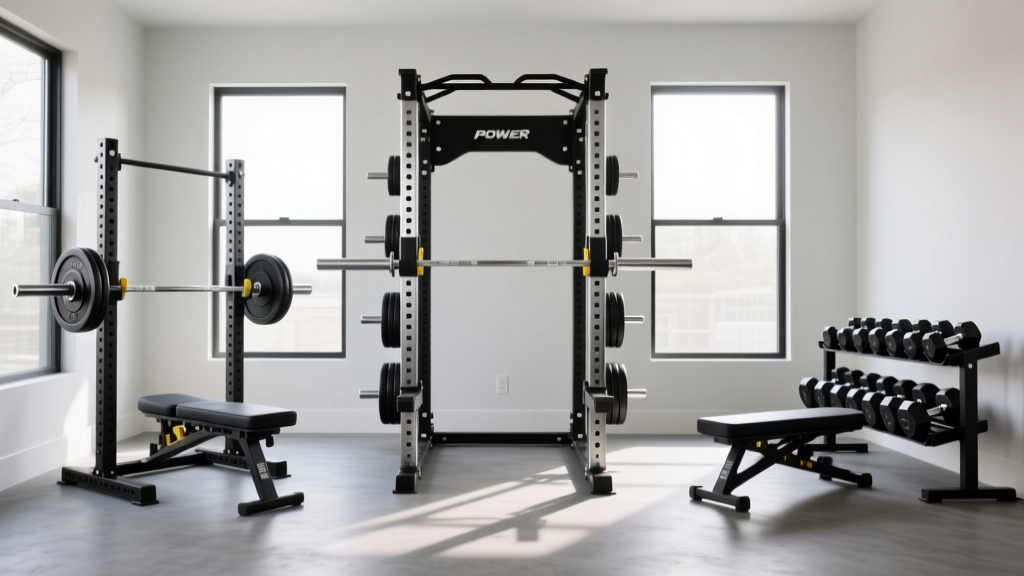
Power Rack vs Squat Rack vs Stand for Free Dumbbell Exercises
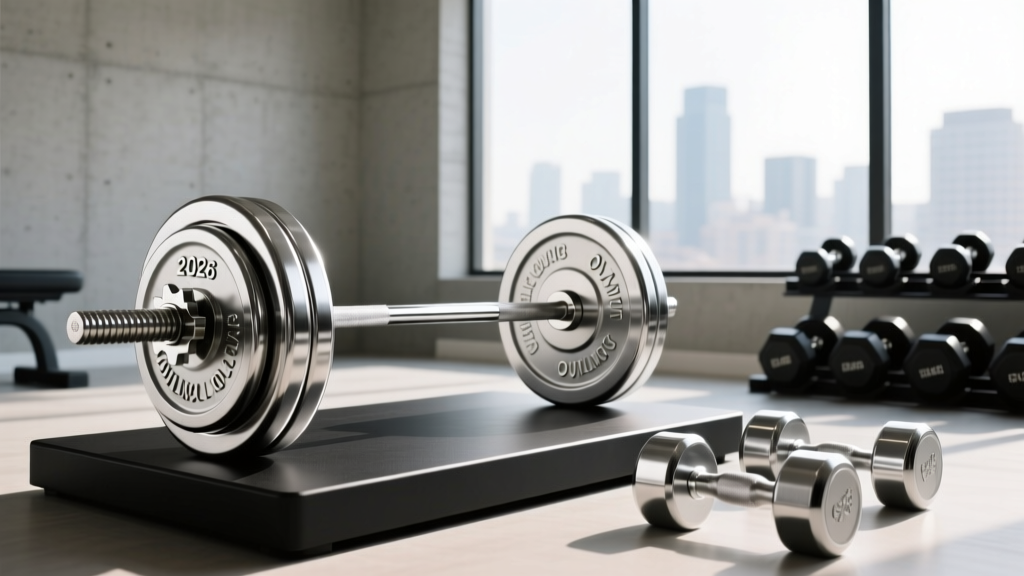
2026 Olympic Barbell Guide: Knurling & Dumbbell Guillotine Press

Barbell Guide: Weight, Knurling & Tricep Workout Using Dumbbells

2026 Dumbbell Storage Trends: Racks for All Types of Dumbbell Squats
