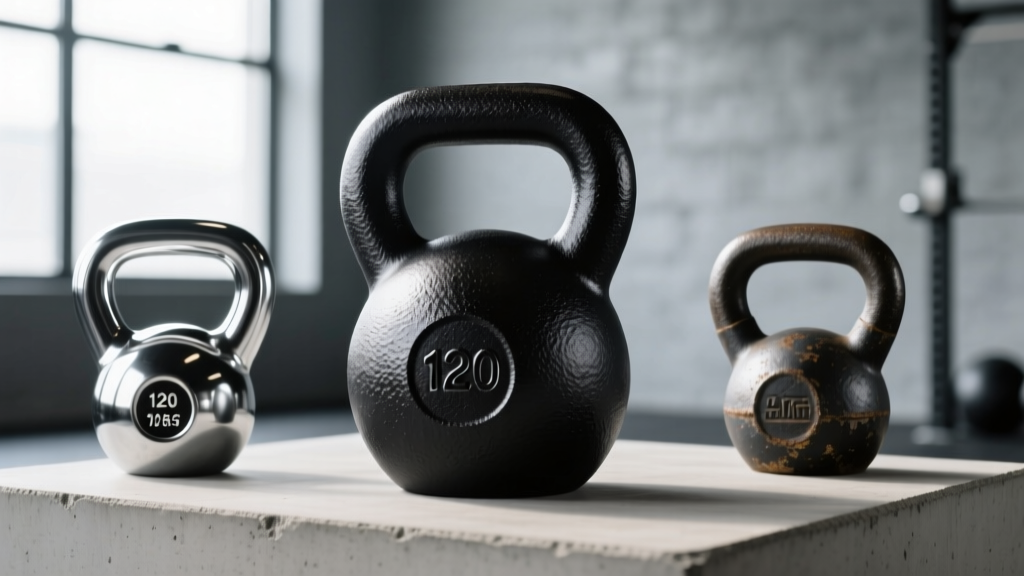
Dumbbell vs Barbell Curl: Neoprene Home Gym Guide
Compare the dumbbell vs barbell curl for bicep growth, and discover why neoprene coated dumbbells are the ultimate space-saving choice for home gyms.

The Biomechanics: Dumbbell vs Barbell Curl for Bicep Growth
When designing a home gym arm routine, the debate of dumbbell vs barbell curl is a foundational one. Both movements target the biceps brachii, brachialis, and brachioradialis, but they impose vastly different mechanical stresses on your joints and central nervous system. Understanding these differences is critical before investing in the right free weights for your space.
The barbell curl is a bilateral movement that allows for maximum absolute load. Because your hands are fixed on a straight or EZ bar, you can recruit more overall motor units and overload the biceps with heavier poundages. However, this fixed hand position forces the wrists into strict supination. According to biomechanical analyses from ExRx on barbell curl mechanics, this rigid wrist alignment can place excessive torque on the medial epicondyle and the radioulnar joint, frequently leading to medial epicondylitis (golfer's elbow) in lifters with poor wrist mobility.
Conversely, the dumbbell curl allows for natural anatomical rotation. You can start with a neutral grip (hammer position) and supinate the wrist as you flex the elbow. This dynamic dumbbell curl path significantly reduces joint strain while actually increasing the activation of the short head of the biceps at the peak of the contraction. For the home gym enthusiast training without a spotter or physical therapist on standby, dumbbells offer a vastly superior safety profile and greater long-term joint sustainability.
Expert Insight: While barbells are excellent for 1-rep max testing and ego-lifting, dumbbells provide the unilateral stimulus required to correct left-to-right strength imbalances—a common issue for lifters who exclusively use barbells or machines.
Why Neoprene Coated Dumbbells Dominate Home Arm Workouts
Once you concede that dumbbells are the superior tool for sustainable home curl routines, the next question is material. In 2026, the home fitness market is saturated with cast iron, rubber, urethane, and neoprene options. For dedicated home use—especially in apartments, garages with epoxy floors, or spare bedrooms—neoprene coated dumbbells are the undisputed champions.
- Acoustic Dampening: Neoprene (polychloroprene) has a closed-cell foam-like structure beneath its smooth exterior. When you set a 30 lb dumbbell down after a grueling set of curls, the acoustic thud is reduced by up to 60% compared to bare cast iron or hard urethane.
- Floor Protection: With a Shore A hardness rating typically between 75 and 85, neoprene is forgiving enough to prevent cracking on luxury vinyl plank (LVP) flooring or chipping on garage epoxy.
- Tactile Grip: Unlike cheap vinyl or smooth rubber, high-quality neoprene offers a slightly tacky, matte finish that grips the calluses on your palm, which is crucial when executing high-rep drop sets without chalk.
Head-to-Head Product Comparison: Top Neoprene Sets for Home Curls
To help you build your home arm arsenal, we tested the three most popular neoprene dumbbell lines on the market. Below is our 2026 comparison matrix focusing on the specs that matter most for curling: handle diameter, price-per-pound, and coating durability.
| Brand & Model | Avg. Price/lb (2026) | Handle Diameter | Coating Thickness | Best For |
|---|---|---|---|---|
| Yes4All Neoprene Hex | $1.45 | 1.15 inches | 3mm | Budget home gyms & high-rep burnout sets |
| CAP Barbell Neoprene Pro | $1.78 | 1.22 inches | 4mm | Lifters with larger hands needing grip security |
| Amazon Basics Neoprene Coat | $1.62 | 1.18 inches | 2.5mm | Light-duty toning and beginner curl progressions |
Yes4All Neoprene Hex Dumbbells: The Value King
Yes4All continues to dominate the entry-level home gym space. Their neoprene hex dumbbells feature a relatively thin 1.15-inch handle. For curling, a thinner handle is actually a distinct advantage; it allows the fingers to wrap completely around the bar, reducing premature forearm fatigue during sets of 12-15 reps. The 3mm polychloroprene coating is color-coded by weight, making it easy to grab the right pair during a fast-paced bicep superset. At $1.45 per pound, it is the most cost-effective way to build a 5-to-50 lb rack.
CAP Barbell Neoprene Pro: The Heavy-Duty Contender
CAP Barbell's offering is slightly more expensive but features a robust 4mm coating and a thicker 1.22-inch chrome handle. The thicker handle increases the demand on your brachioradialis and grip strength. If your goal is to build massive forearms alongside your biceps, the CAP Barbell neoprene set forces a thicker-grip stimulus. However, lifters with smaller hands may find the handle diameter slightly fatiguing during strict, heavy dumbbell curls.
Real-World Failure Modes: When Neoprene Coating Fails
As with any fitness equipment, neoprene is not invincible. When evaluating gear for our readers, we look at edge cases and actual failure modes. Here is what you need to watch out for when using neoprene dumbbells for home curls:
⚠️ Warning: The Seam Tear Vulnerability
The most common point of failure on neoprene dumbbells is the seam where the cast iron core meets the coating. If you habitually drop your dumbbells from shoulder height after a heavy set of hammer curls, the kinetic shockwave travels through the iron core and shears the neoprene at the edges. Solution: Always lower the dumbbells under control to your thighs before setting them on the floor. This eccentric control also increases time-under-tension for bicep hypertrophy.
Another factor is VOC (Volatile Organic Compound) off-gassing. Brand new neoprene dumbbells often carry a distinct chemical odor. According to ACSM guidelines on home gym environments, proper ventilation is critical when introducing new synthetic equipment. Leave your new dumbbells in a garage or well-ventilated patio for 7 to 14 days before bringing them into a spare bedroom or enclosed home gym to allow the off-gassing to dissipate completely.
Programming Your Home Bicep Routine with Neoprene Dumbbells
Now that you have the right equipment, how do you program the dumbbell vs barbell curl movements using only your neoprene set? Since you are bypassing the barbell to save your wrists, you must manipulate angles and grips to hit all heads of the biceps. Follow this 3-step home protocol:
- Heavy Incline Dumbbell Curls (3 sets of 8-10 reps): Set an adjustable bench to a 45-degree incline. Let your arms hang straight down with your neoprene dumbbells. This places the long head of the bicep in a stretched position. Curl up without moving your elbows forward. The neoprene coating ensures that if you accidentally bump the weights together at the top, they won't chip or clank loudly.
- Standing Supinating Curls (3 sets of 10-12 reps): Start with a neutral grip (palms facing your thighs). As you curl past the 90-degree mark, twist your pinky finger outward. This supination maximizes the peak contraction. The matte grip of the neoprene prevents the dumbbell from slipping in your sweat during this rotational movement.
- Cross-Body Hammer Curls (2 sets to failure): Keep a neutral grip and curl the dumbbell across your torso toward the opposite shoulder. This heavily targets the brachialis, pushing the bicep peak upward and adding serious thickness to the upper arm.
Final Verdict: The Home Gym Advantage
When analyzing the dumbbell vs barbell curl debate through the lens of home gym practicality, joint longevity, and space efficiency, dumbbells are the clear winner. By investing in a high-quality set of neoprene coated dumbbells like the Yes4All or CAP Barbell lines, you protect your home flooring, minimize noise pollution for your household, and gain the biomechanical freedom to train your biceps safely and effectively for years to come. Skip the barbell torque, embrace the unilateral stretch, and let the neoprene handle the daily wear and tear of your home arm days.
More gear to consider
All reviews
Barbell Collar Comparison & Upper Body Workouts With Dumbbells

Bumper vs Iron Plate Cost Analysis: Deadlifts to Dumbbell Chest Row

Maximizing Benefits of Dumbbell Squats: Best Storage Racks 2026
Best Adjustable Dumbbells for Seated Dumbbell Concentration Curls 2026

Storing a Dumbbell That Shakes: Rack Layout & Stability Guide