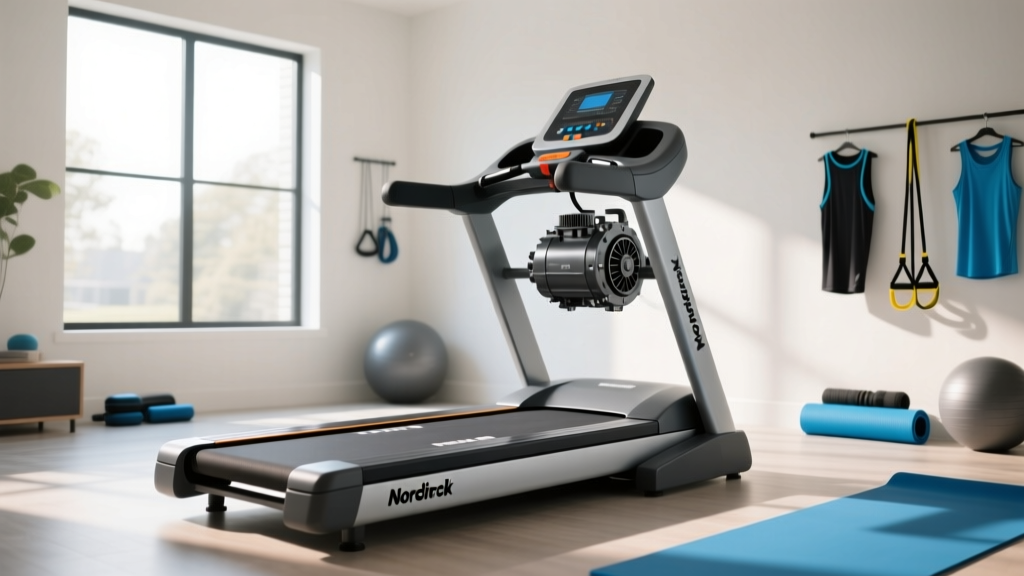
Sole F80 Treadmill Belt Maintenance: Expert Lubrication Guide
Learn expert Sole F80 treadmill belt maintenance. Our hands-on lubrication guide covers step-by-step tensioning, alignment, and top silicone picks.

The Workhorse Needs Care: Sole F80 Belt Maintenance in 2026
The Sole F80 treadmill has long been the gold standard for serious home runners, and as of 2026, it remains one of the most popular mid-tier cardio machines on the market. Retailing at approximately $1,199, this machine boasts a robust 3.5 CHP motor, a massive 22-inch by 60-inch running surface, and the signature Cushion Flex Whisper Deck. However, even a premium machine like the Sole F80 is not immune to the laws of physics. Friction is the ultimate enemy of any treadmill, and neglecting your treadmill belt maintenance and lubrication will inevitably lead to catastrophic motor control board (MCB) failures or snapped drive belts.
In this expert hands-on guide, we break down the exact anatomy of the Sole F80 belt system, review the top 100% silicone lubricants on the market, and provide a meticulous, step-by-step protocol for maintaining your machine. Whether you are logging 10 miles a week or training for a marathon, this guide will extend the lifespan of your investment.
⚠ CRITICAL WARNING: Never use WD-40, household oils, or petroleum-based distillates on your Sole F80. Petroleum products will chemically break down the rubber backing of the belt and destroy the phenolic deck coating, resulting in a $200+ replacement cost. Only use 100% pure silicone.The Anatomy of the Sole F80 Belt and Deck System
To properly maintain your machine, you must understand what you are working on. The Sole F80 utilizes a 1-inch thick phenolic-coated medium-density fiberboard (MDF) deck. This coating is designed to be ultra-smooth, but it requires a microscopic layer of silicone to reduce the coefficient of friction between the deck and the cotton-backed underside of the PVC running belt.
When lubrication dries out, the friction coefficient spikes. According to equipment repair experts at Treadmill Doctor, increased friction forces the motor to draw higher amperage to maintain speed. Over time, this excess heat and electrical draw will fry the motor control board or trigger the Sole F80's internal thermal breaker, leaving you with a dead machine and an expensive repair bill.
Hands-On Review: Top Silicone Lubricants for the Sole F80
Not all silicone lubricants are created equal. The applicator wand design is just as important as the fluid itself, as reaching the center of the Sole F80's 22-inch wide belt can be cumbersome. We tested three leading 100% silicone lubricants specifically on the Sole F80 to see which offers the best coverage and value.
| Brand | Volume | Applicator Type | Est. Price (2026) | Expert Rating |
|---|---|---|---|---|
| Spot On Treadmill Lubricant | 4 oz | Long-reach flexible wand | $14.99 | 9.5/10 |
| Impresa 100% Silicone | 4 oz | Standard rigid tube | $12.50 | 8.5/10 |
| Godora Treadmill Oil | 2 x 2 oz | Dual-sided foam pad | $11.99 | 7.0/10 |
Our Top Pick: The Spot On Treadmill Lubricant wins for the Sole F80. The Sole F80's belt is notoriously tight from the factory, and Spot On's flexible, extra-long wand makes it significantly easier to navigate underneath the heavy 22-inch belt without straining the tension bolts.
Step-by-Step Sole F80 Belt Lubrication Protocol
Follow this exact procedure to ensure even distribution and proper re-tensioning. We recommend performing this every 3 months or every 150 miles, whichever comes first.
- Power Down and Unplug: Safety first. Turn off the master switch at the front base and unplug the machine from the wall. This prevents accidental startup and protects the MCB from power surges while you work.
- Release Belt Tension: Locate the two rear roller adjustment bolts at the very back of the treadmill frame. Using a 6mm hex wrench (provided with your Sole F80), turn both the left and right bolts counter-clockwise exactly 3 full turns. This will loosen the belt enough to slip your hand underneath.
- Inspect and Clean: Run a dry, lint-free microfiber cloth under the belt to remove any accumulated dust, pet hair, or old, caked-on silicone. Debris acts like sandpaper on the phenolic deck.
- Apply the Silicone: Lift the belt on the left side and insert the applicator wand. Squeeze exactly 0.5 oz (about half the bottle) of 100% silicone in a zig-zag pattern, moving from the edge toward the center. Repeat on the right side with the remaining 0.5 oz.
- Distribute the Fluid: Plug the treadmill back in. Stand on the side rails, start the machine at 2.0 MPH, and let it run for 3 minutes. The rotation will naturally spread the silicone across the deck. Do not walk on the belt during this step.
- Re-Tension the Belt: Unplug the machine again. Turn both rear roller bolts clockwise exactly 3 full turns to return them to their original position.
- The Stomp Test: Plug the machine in, start it at 2.0 MPH, and stand on the belt. Plant your feet firmly and try to 'stomp' or stall the belt. If the front roller turns but the belt slips under your feet, tighten both bolts an additional quarter-turn (90 degrees) until the slipping stops.
Expert Insight: 'Never adjust one side of the rear roller more than the other. Uneven tightening will immediately throw off the belt tracking, causing the belt to ride up on the side rails and fray the edges within hours of use.'
Belt Tension and Alignment Troubleshooting
Even with perfect lubrication, the Sole F80 belt can drift over time due to the natural stretching of the PVC material and the torque of the 3.5 CHP motor.
Fixing Belt Drift (Alignment)
If your belt is drifting to the right, it means the right side of the rear roller is slightly tighter than the left. To correct this, turn the right adjustment bolt clockwise by one-quarter turn, or turn the left bolt counter-clockwise by one-quarter turn. Run the treadmill at 4.0 MPH for two minutes to observe the tracking. Never make adjustments larger than a quarter-turn at a time.
Identifying Edge Cases: When Lubrication Isn't Enough
Sometimes, what feels like a dry belt is actually a failing component. If you have properly lubricated and tensioned the belt but still experience hesitation or jerking while running, check for these specific Sole F80 failure modes:
- Drive Belt Wear: The Sole F80 uses a ribbed drive belt connecting the motor to the front roller. If this belt is glazed or cracked, it will slip under heavy loads (like running over 7.0 MPH or high inclines), mimicking a slipping walking belt.
- Worn Motor Brushes: If the treadmill has over 3,000 miles on it, the carbon brushes inside the motor may be worn down, causing intermittent power loss that feels like deck friction.
- Deck Grooving: Run your hand under the belt and feel the deck. If you can feel deep 'grooves' or 'valleys' worn into the phenolic coating, the deck is dead. No amount of silicone will fix this; you must replace the deck (Part # F80-DECK, typically around $120).
Decoding Sole F80 Error Codes Related to Friction
The Sole F80 console will alert you to severe friction issues via specific error codes. Understanding these can save you from misdiagnosing the problem:
Common Friction-Related Error Codes
- Error 1 (Motor Overcurrent): The MCB is detecting that the motor is drawing too many amps. This is the #1 indicator of a completely dry belt or a warped deck.
- Error 2 (Speed Sensor Loss): While usually a sensor issue, extreme belt friction can cause the motor to bog down so severely that the optical sensor fails to read the RPMs, triggering this code.
- LS / L5 (Low Speed): The console commands a speed, but the actual belt speed is significantly lower due to physical resistance.
Frequently Asked Questions (FAQ)
Does the Sole F80 come pre-lubricated from the factory?
Yes. According to Sole Fitness official guidelines, the F80 belt is coated with a high-grade silicone wax at the factory. However, this initial coating degrades over the first 3 to 6 months of use. You should plan your first aftermarket lubrication session at the 3-month mark.
Can I use a silicone spray aerosol instead of a liquid bottle?
We strongly advise against aerosol silicone sprays. Aerosols contain propellants and solvents (like hexane) that can damage the rubber. Furthermore, overspray will coat your treadmill's side rails, making them dangerously slippery, and can infiltrate the motor housing, attracting dust to the internal electronics.
How do I know if my Sole F80 belt needs to be replaced rather than just lubricated?
Inspect the underside of the belt. A healthy belt has a soft, slightly fuzzy cotton backing that absorbs the silicone. If the backing is smooth, shiny, or peeling off in chunks, the belt has lost its ability to hold lubrication and must be replaced. A genuine Sole F80 replacement belt and deck kit costs between $160 and $200.
Will improper maintenance void my Sole F80 warranty?
Yes. The Sole F80 features an impressive lifetime warranty on the frame and motor, and a 3-year warranty on parts and electronics. However, if a technician inspects your machine and finds the deck is scored or the MCB is fried due to severe lack of lubrication, the manufacturer will classify it as 'user neglect' and void the parts warranty. Keeping a simple logbook of your lubrication dates is highly recommended to protect your warranty claims.
By adhering to this expert maintenance protocol, your Sole F80 will continue to deliver the smooth, joint-friendly runs it was engineered for, easily pushing past the 10-year lifespan mark.
More gear to consider
All reviews
Pro Form Carbon TL Treadmill Setup: Motorized vs Curved Manual

Elliptical vs Treadmill: Home Cardio & Water Treadmill Dog Rehab

Stair Climber Guide: Adapting a Holder for iPad on Treadmill
Air Bike vs Assault Bike Space Guide: ProForm 745 CS Treadmill Fit

Portable Cardio 2026: How to Lose Weight on a Treadmill in a Month