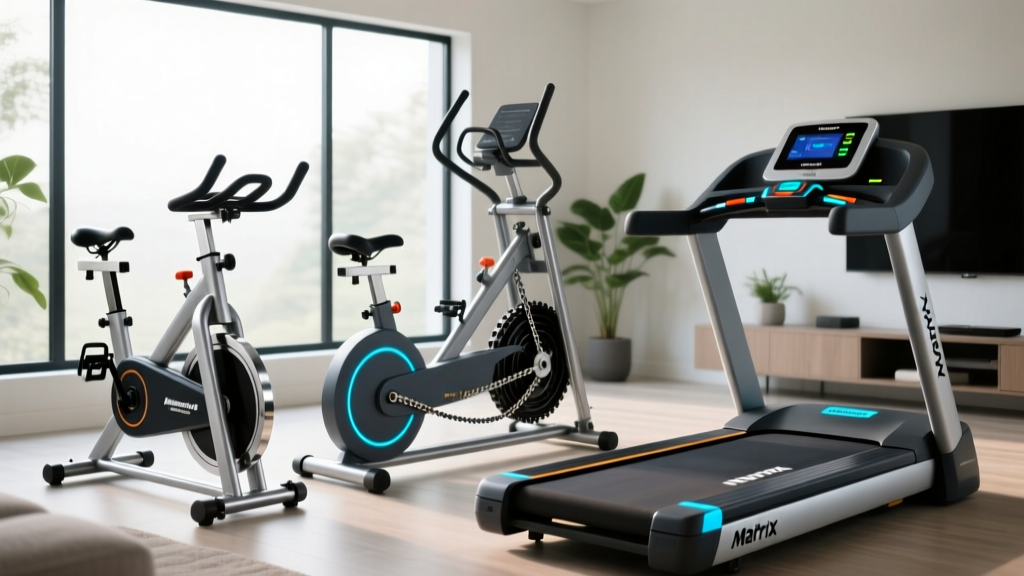
ProForm 585QS Treadmill: Small Space Review & Maintenance Guide
Reviewing the ProForm 585QS treadmill for small spaces. Learn essential maintenance, folding hinge care, and longevity tips to extend its lifespan.

The ProForm 585QS in 2026: A Small Space Viability Review
When evaluating the best cardio equipment for compact apartments, the folding treadmill for small spaces review circuit often circles back to legacy models that pioneered space-saving designs. The ProForm 585QS treadmill (part of the QuickSpace series) remains a staple in the secondary and refurbished market in 2026. Originally designed to minimize footprint without entirely sacrificing running surface area, the 585QS offers a compelling case study in long-term equipment longevity.
However, owning a compact folding treadmill in a small apartment introduces unique environmental and mechanical stressors. Tight corners mean reduced airflow, closer proximity to baseboard dust, and frequent folding and unfolding cycles. If you own or are considering purchasing a refurbished ProForm 585QS treadmill, understanding its specific mechanical quirks is essential for keeping it operational for years to come.
ProForm 585QS QuickSpace Specifications
- Running Surface: 18" x 55" (Compact, best for walking and light jogging)
- Motor: 2.0 CHP Mach Z Commercial Plus
- Folded Footprint: Approx. 28" x 28" base footprint
- Weight Capacity: 300 lbs
- Folding Mechanism: Hydraulic-assisted QuickSpace lift
Critical Maintenance for the QuickSpace Folding Hinge
The defining feature of the ProForm 585QS treadmill is its folding deck. While modern 2026 folding treadmills often use soft-drop pneumatic systems, the 585QS relies on a robust, albeit older, hydraulic cylinder and heavy-duty steel pivot hinge. In small spaces, users tend to fold and unfold the deck daily, sometimes multiple times a day, accelerating wear on these specific components.
Lubricating the Pivot Pin
The main hinge pin connecting the upright mast to the deck base is subjected to immense sheer force when the 130-pound deck is lowered. Over time, the factory lithium grease dries out, leading to a metallic grinding sound and micro-fractures in the surrounding plastic shrouds.
- Unplug the treadmill and secure the deck in the upright, locked position.
- Remove the two plastic pivot covers on the left and right sides of the base.
- Apply a generous amount of white lithium grease (never use WD-40, which attracts dust and strips existing lubrication) directly to the steel pivot pin.
- Cycle the deck up and down three times to distribute the grease evenly.
Inspecting the Hydraulic Cylinder
The hydraulic shock absorber is what prevents the deck from slamming into the floor. A common failure mode in older 585QS models is a slow hydraulic fluid leak, evidenced by a greasy residue around the cylinder shaft. If the deck drops faster than a controlled 3-second descent, the cylinder has lost its internal pressure and must be replaced. Replacement cylinders are readily available through Fitness Repair Parts and typically cost between $35 and $55.
Motor Hood & Dust: The Small Apartment Penalty
Small apartments inherently trap more ambient dust, pet dander, and fabric lint. Because the ProForm 585QS is often pushed flush against a wall or tucked into a corner, the motor hood's ventilation intake becomes a magnet for debris. When the 2.0 CHP Mach Z motor overheats due to clogged vents, it draws excess amperage, which eventually fries the lower control board.
Expert Insight: In a small-space environment, you must clean the treadmill motor hood every 60 days, compared to the standard 6-month recommendation for open-concept homes. Use a vacuum with a soft brush attachment to clear the front and side vents without removing the hood.
If you must remove the hood for a deep clean, ensure you disconnect the safety key first. Use compressed air to blow out the fan blades and the area surrounding the drive motor. According to repair experts at Treadmill Doctor, overheating due to dust accumulation is the number one cause of premature motor failure in home treadmills.
Belt Alignment and Tensioning in Tight Quarters
The 18-inch width of the 585QS belt leaves very little margin for error regarding alignment. If the belt drifts to the left or right, it will quickly fray against the plastic side rails, ruining both the belt and the deck. Furthermore, small apartment floors are rarely perfectly level, which can cause the treadmill frame to twist slightly, pulling the belt out of alignment.
The 100% Silicone Lubrication Rule
The walking board on the 585QS requires regular lubrication to reduce friction. You must use a 100% silicone-based treadmill lubricant. Petroleum-based products will melt the walking belt and destroy the deck's phenolic coating. Apply 1 ounce of silicone lube under the belt every 150 miles or every 3 months.
Adjusting the Rear Roller
To correct a drifting belt, locate the two adjustment bolts at the very back of the treadmill (left and right). Use the provided hex key to make micro-adjustments:
- Belt drifting left: Turn the left bolt clockwise one-quarter turn, and the right bolt counter-clockwise one-quarter turn.
- Belt drifting right: Turn the right bolt clockwise one-quarter turn, and the left bolt counter-clockwise one-quarter turn.
- Run the treadmill at 3 MPH and observe for 60 seconds before making further adjustments.
ProForm 585QS Maintenance Schedule & Cost Breakdown
| Maintenance Task | Frequency | Estimated Cost |
|---|---|---|
| Belt Silicone Lubrication | Every 3 Months | $12 - $18 |
| Pivot Hinge Greasing | Annually | $8 (Lithium Grease) |
| Motor Hood Vacuuming | Every 60 Days | $0 |
| Hydraulic Cylinder Replacement | As Needed (5-8 Yrs) | $35 - $55 |
| Drive Belt Inspection | Annually | $15 (If replacement needed) |
Troubleshooting Edge Cases: The Folding Treadmill Killers
When maintaining the ProForm 585QS treadmill, you must be vigilant for issues uniquely tied to its folding nature. Below are two critical failure modes that frequently plague owners of the QuickSpace series.
The Upright Wire Pinch Syndrome
The most common non-motor electrical failure in the 585QS involves the console data cable. This wire runs from the lower control board, up through the folding hinge, and into the display console. Over years of folding and unfolding, the wire can shift out of its factory routing channel and become pinched between the steel mast and the plastic hinge cover.
Symptoms: The console flickers, speed readings drop out intermittently, or the machine throws an E1 (speed sensor) or E2 (voltage) error code when the deck is lowered to the running position, but works perfectly when folded upright.
The Fix: You must carefully disassemble the lower hinge shroud, inspect the wire harness for crimping or exposed copper, and re-route it using zip-ties to secure it away from the pivot point. If the wire is severed, a replacement console harness can be ordered directly via ProForm Official Support.
Deck Delamination from Improper Storage
Small spaces often double as multi-purpose rooms. Some owners mistakenly use the upright, folded deck of the 585QS as a makeshift clothing rack or lean heavy boxes against it. The MDF (medium-density fiberboard) deck is not designed to handle lateral pressure when in the vertical position. Doing so will cause the internal layers of the deck to delaminate, resulting in a spongy feel and eventual snapping of the board under a runner's weight. Always store the deck upright with zero lateral load.
Longevity Verdict: Should You Keep or Upgrade?
As a folding treadmill for small spaces, the ProForm 585QS review holds up remarkably well in 2026, provided the user is committed to its specific maintenance needs. Its 18" x 55" belt is restrictive for tall runners or high-speed sprinting, making it strictly a walking and light-jogging machine. However, its mechanical simplicity and heavy-gauge steel frame give it a longevity advantage over many of today's ultra-thin, budget-friendly walking pads that lack true folding hinges and use fragile, low-torque motors.
If your 585QS has a healthy hydraulic cylinder, a clean motor hood, and a freshly lubricated belt, it remains a highly reliable, space-efficient cardio workhorse. Keep up with the 60-day dust cleanings and annual hinge greasing, and this compact machine will easily outlast its modern, disposable counterparts.
More gear to consider
All reviews
Rowing Machine Buying Guide: Technique vs VR Treadmill Weight Limit

Rowing Machine Setup: Technique & Horizon vs NordicTrack Treadmill
b0dl58h3gl TheRun Treadmill Setup & Motor Size Guide

Small Space Folding Treadmill Review & Resistance Bands on Treadmill
Flylinktech Treadmill Review: 2026 Walking Pad Comparison