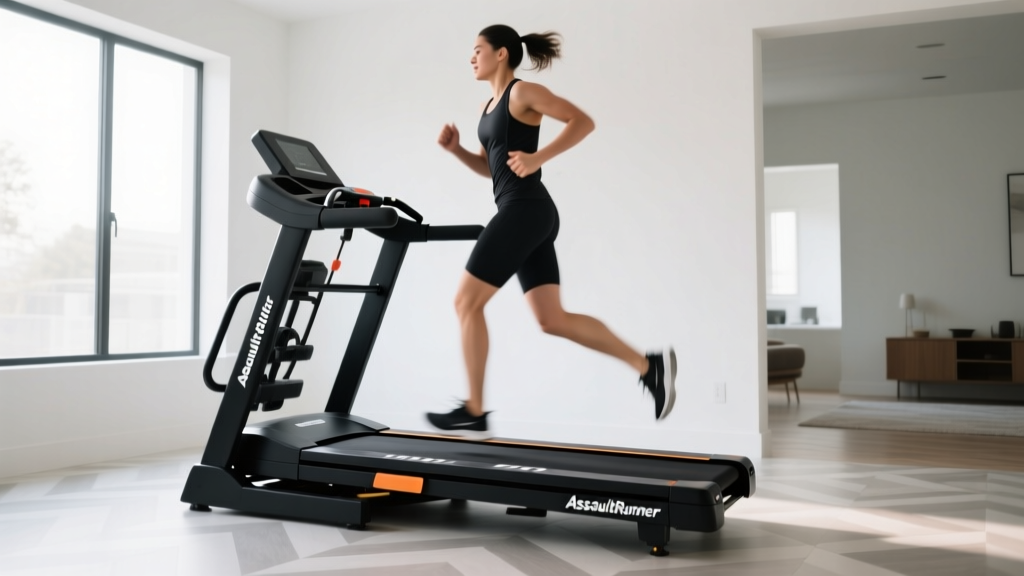
Using Your MaxKare Treadmill Manual for Belt Maintenance & Savings
Discover how using your MaxKare treadmill manual for belt maintenance prevents costly motor repairs. Get our 2026 budget breakdown and step-by-step guide.

The True Cost of Ownership: Beyond the Price Tag
When you invest in a budget-friendly cardio machine like a MaxKare treadmill, the upfront cost is usually the most attractive feature. Typically ranging between $250 and $450, these compact, foldable units are staples in home gyms. However, the maxkare treadmill manual contains critical maintenance protocols that directly dictate the long-term financial value of your machine. Ignoring the belt lubrication and tensioning guidelines outlined in the manual doesn't just degrade your workout experience; it triggers a cascade of mechanical failures that can easily exceed the original purchase price of the treadmill.
From a budget analysis perspective, treadmill maintenance is not a chore—it is a high-yield investment. A dry running belt increases friction, which forces the DC drive motor to draw excessive amperage. This excess heat and electrical strain are the leading causes of blown motor control boards and burnt-out drive motors. By decoding your manual and implementing a strict maintenance schedule, you can extend the lifespan of your equipment by 3 to 5 years, saving hundreds of dollars in replacement parts and technician fees.
Budget Breakdown: Maintenance vs. Major Repairs (2026 Market Rates)
To understand the financial value of following the maxkare treadmill manual, we must compare the cost of proactive maintenance against reactive repairs. The table below outlines current 2026 average market costs for MaxKare and comparable generic import treadmill parts.
| Component / Service | Average Cost | Failure Cause |
|---|---|---|
| 100% Silicone Lubricant (100ml) | $10.00 - $15.00 | Proactive Maintenance |
| Replacement Running Belt (1-ply) | $45.00 - $80.00 | Fraying, stretching, dry rot |
| Replacement Deck (MDF/Phenolic) | $60.00 - $120.00 | Grooving from unlubricated friction |
| Lower Motor Control Board | $140.00 - $220.00 | Blown MOSFETs from amp spikes |
| Drive Motor (2.0 - 2.5 HP DC) | $250.00 - $350.00 | Thermal burnout from overworking |
Decoding the Manual: Belt Lubrication Specifications
The maxkare treadmill manual typically advises lubricating the belt every 3 months or after every 30 miles of use. While this is a safe baseline, fitness equipment technicians recommend adjusting this based on user weight and environmental factors. If a user weighs over 200 lbs, or if the treadmill is kept in a dry, climate-controlled room (which accelerates silicone evaporation), the interval should be shortened to every 150 miles or 2 months.
The Chemistry of Treadmill Lubricants
According to Sole Fitness Maintenance Guidelines, which set the industry standard for home treadmill care, only 100% pure liquid silicone should be used.
⚠️ CRITICAL BUDGET WARNING: Never use standard WD-40, lithium grease, silicone spray aerosols, or any petroleum-based lubricant. Petroleum distillates will chemically dissolve the bonding agents in your MaxKare treadmill belt, causing it to delaminate and stretch. Furthermore, aerosol sprays coat the deck and motor housing, creating a slipping hazard and attracting dust that ruins the motor's internal cooling fan.Step-by-Step Belt Lubrication (The $15 Savings Protocol)
Follow this exact procedure to apply lubricant without damaging the belt tracking or over-tensioning the rear roller.
- Power Down & Unplug: Always remove the safety key and unplug the machine from the wall to prevent accidental startup and electrical shock.
- Access the Belt: Reach under the center of the running belt. Lift it approximately 2 to 3 inches off the deck. If you cannot lift it this high, your belt tension is too tight (see alignment section below).
- Apply the Silicone: Using a liquid silicone bottle with an extended applicator wand, squeeze exactly 0.5 ounces (15ml) of lubricant in a zigzag pattern across the center third of the deck. Repeat on the opposite side.
- Distribute the Lube: Plug the machine back in. Start the treadmill at a slow walking pace (2.0 to 3.0 mph). Walk on the belt for 3 to 5 minutes, intentionally stepping on the left and right edges to press the silicone evenly across the entire width of the deck.
- Wipe the Edges: Use a microfiber cloth to wipe away any excess silicone that squeezes out the sides of the belt to prevent slipping.
Treadmill Belt Tension and Alignment: Preserving Your Investment
Lubrication is only half the battle. A misaligned or over-tensioned belt will destroy the roller bearings and stretch the belt backing, leading to premature replacement costs. The maxkare treadmill manual includes a basic diagram for centering the belt, but it lacks the precise measurements required for optimal tension.
The "Two-Finger" Tension Test
To check if your belt is over-tensioned (which causes excessive motor amp draw), turn off the treadmill. Attempt to lift the belt from the side edge in the middle of the deck. You should be able to lift it 2 to 2.5 inches off the deck with moderate resistance. If it barely lifts, it is too tight. If it lifts 4 inches or more, it is too loose and will slip underfoot during a run.
Adjusting Tracking and Tension
Locate the two rear roller adjustment bolts at the very back of the treadmill frame (usually requiring a 6mm or 8mm Allen wrench).
- To loosen tension: Turn both the left and right bolts counter-clockwise by exactly one-quarter (1/4) turn. Test the lift. Repeat if necessary.
- To center a drifting belt: If the belt drifts to the left, turn the left rear bolt clockwise by 1/4 turn, and the right rear bolt counter-clockwise by 1/4 turn. Run the machine at 4 mph for one minute to observe the tracking.
"Proper belt tension is the most overlooked factor in home treadmill longevity. An over-tensioned belt increases the mechanical load on the drive motor by up to 40%, drastically shortening the lifespan of the carbon brushes and the lower control board."
— Industry Standard Biomechanics & Equipment Maintenance Reports
Expert Insights: Friction, Amp Draw, and Motor Lifespan
Understanding the electrical engineering behind your treadmill helps contextualize the budget breakdown. MaxKare treadmills utilize Direct Current (DC) motors. These motors rely on internal carbon brushes and a complex lower control board equipped with MOSFETs (Metal-Oxide-Semiconductor Field-Effect Transistors) to regulate power.
When a belt is dry, the coefficient of friction between the PVC belt and the MDF deck spikes. The motor must work harder to pull the belt, causing the amp draw to jump from a normal operating range of 3 to 5 amps up to 12 to 18 amps. This massive electrical spike generates intense heat. Over time, this heat degrades the solder joints on the motor control board and melts the internal insulation of the drive motor windings. According to equipment maintenance guidelines highlighted by the American Council on Exercise (ACE), keeping the moving parts of home gym equipment properly lubricated is the primary defense against catastrophic mechanical failure and the need for costly professional servicing.
Decision Framework: When to Maintain vs. When to Replace
As a budget-conscious consumer, knowing when a belt has passed the point of no return is crucial. Use this framework before ordering replacement parts:
Signs You Only Need Maintenance (Lube & Tension)
- The belt hesitates or stutters when you step on it, but runs smoothly when empty (indicates dry deck or loose tension).
- The motor sounds like it is straining or whining at higher speeds.
- The belt consistently drifts to one side during use.
Signs You Must Replace the Belt and/or Deck
- Visible Fraying: The edges of the belt are unraveling or showing white fibrous backing.
- Deck Grooving: If you lift the belt and run your fingernail across the wooden deck, and you feel deep, physical grooves worn into the wood, the deck is compromised. A new belt on a grooved deck will be destroyed within 30 days.
- Glazing: The underside of the belt feels glossy, hardened, or slick to the touch, meaning the porous backing can no longer hold silicone lubricant.
Frequently Asked Questions (Budget & Maintenance)
Can I use baby oil or cooking spray if I am on a strict budget?
Absolutely not. Cooking oils will turn rancid, become sticky, and attract severe dust buildup, eventually seizing the motor. Baby oil contains petroleum derivatives that will melt the belt backing. The $12 investment in 100% pure silicone is non-negotiable for protecting your $300+ machine.
Does the MaxKare warranty cover a burnt-out motor caused by a dry belt?
No. Manufacturer warranties explicitly exclude damage resulting from a failure to perform routine maintenance. If a technician opens your motor housing and finds excessive carbon dust and heat-warped windings indicative of friction overload, your warranty claim will be denied, leaving you with the full out-of-pocket repair cost.
How do I know if my MaxKare model has a self-lubricating belt?
Most budget-tier MaxKare models (such as the popular folding 2.25 HP series) do not feature self-lubricating belts or built-in silicone reservoirs. Self-lubricating belts are generally reserved in 2026 for premium commercial-grade machines costing $2,000 or more. Always assume manual lubrication is required unless your specific model's manual explicitly states otherwise.
More gear to consider
All reviews
The Long Walk Treadmill Setup: Motor Size & Horsepower Guide
Folding Treadmill Review: Surviving a 30-Minute Treadmill HIIT Workout

Retro Walking Treadmill Belt Maintenance & Lubrication Guide

NordicTrack Treadmill T6.3 vs Sole F63: 2026 Test
Stationary Bike Types vs ProForm Treadmill 5000: 2026 Budget Breakdown