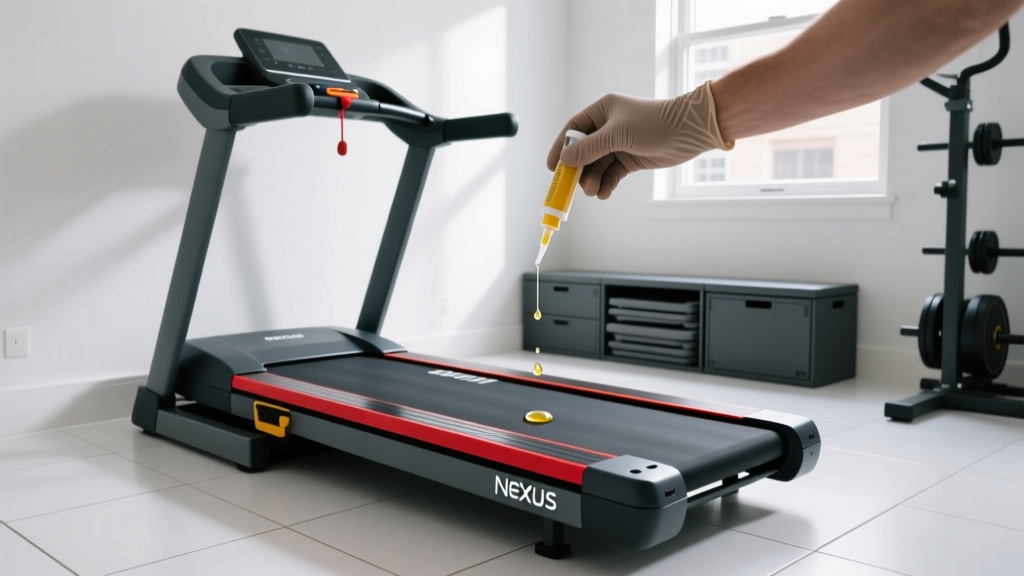
Life Fitness Treadmill Belt vs Walking Pads: Belt Troubleshooting
Compare Life Fitness treadmill belt maintenance with walking pads. Expert troubleshooting, tension fixes, and lubrication mistakes for home gyms.

The Friction Triangle: Why Belt Architecture Dictates Machine Lifespan
When evaluating cardio equipment, consumers obsess over motor horsepower and screen real estate, yet the most critical point of failure remains the life fitness treadmill belt and its walking pad equivalents. The 'friction triangle'—the dynamic interaction between the running belt, the deck, and the drive motor—determines not just your workout feel, but the electrical longevity of the machine. In this comprehensive walking pad treadmill comparison and review, we benchmark the gold-standard commercial belt systems of Life Fitness against the ultra-compact, flexible belts of modern folding walking pads. More importantly, we break down the catastrophic mistakes users make when troubleshooting belt slippage, tracking drift, and deck friction in 2026.
⚠️ Warranty Warning: Applying petroleum-based lubricants (like WD-40) or over-tightening the rear roller bolts to fix slippage will instantly void the warranty on both Life Fitness commercial units and consumer walking pads, often resulting in $400+ motor controller burnouts.The Gold Standard: Life Fitness Treadmill Belt Architecture
Life Fitness dominates the commercial sector for a reason. Looking at the Life Fitness Club Series+ ($4,299) and the premium T5 Track+ ($6,599), the belt construction is engineered for high-impact, multi-user abuse. These machines utilize a 4-ply, 3.2mm thick commercial-grade running belt. The underside features a specialized low-friction woven fabric that glides over a urethane-coated deck.
Unlike cheaper residential models that rely heavily on liquid silicone out of the box, Life Fitness decks are often pre-treated or require very specific 100% silicone liquid applications at exact intervals. The heavy mass of a 20" x 60" 4-ply belt requires a robust 3.0 HP continuous-duty motor just to overcome the initial static inertia. When a Life Fitness treadmill belt begins to slip, it is rarely a tension issue; it is almost always a degradation of the deck's low-friction coating or a buildup of micro-dust between the belt and deck.
Walking Pad Belt Design: KingSmith R2 & UREVO Strol 2E Review
Transitioning to the sub-compact category, walking pads face a unique engineering paradox: the belt must be durable enough for daily steps, yet thin and flexible enough to fold in half. As of 2026, the KingSmith WalkingPad R2 ($499) and the UREVO Strol 2E ($399) lead the market, but their belt architectures require entirely different maintenance paradigms.
- KingSmith R2: Features a 1.8mm thick, 2-ply flexible PVC belt measuring roughly 17.3" x 47.2". Because it folds at the center hinge, the belt experiences micro-stretching at the crease point. Slippage here is usually caused by the hinge tension dropping over time, not the rear roller.
- UREVO Strol 2E: Utilizes a slightly wider 18" running area with a reinforced 5-layer composite belt. While more resistant to stretching, its ultra-thin profile means it is highly sensitive to lateral drift. If the Strol 2E belt shifts left or right, it will quickly fray against the plastic side rails.
According to the Mayo Clinic's fitness guidelines, consistent low-impact walking yields massive cardiovascular benefits, making these pads highly effective. However, their mechanical fragility demands precise troubleshooting knowledge that most owners lack.
Comparison Matrix: Belt Specs & Maintenance Needs
| Feature | Life Fitness Club Series+ | KingSmith WalkingPad R2 | UREVO Strol 2E |
|---|---|---|---|
| 2026 Retail Price | $4,299 | $499 | $399 |
| Belt Dimensions | 20" x 60" | 17.3" x 47.2" | 18.1" x 47.6" |
| Ply / Thickness | 4-Ply / 3.2mm | 2-Ply / 1.8mm | 5-Layer / 2.0mm |
| Lubrication Interval | Every 300 miles / 6 months | Every 100 miles / App Alert | Every 150 miles |
| Adjustment Tool | 6mm Hex Wrench | 5mm Hex Wrench | 5mm Hex Wrench |
Common Mistakes & Troubleshooting Guide
Mistake 1: Over-Tightening the Rear Roller to Fix Slippage
The most destructive mistake in home cardio maintenance is assuming a slipping belt is a 'loose' belt. When your foot strikes the deck and the belt stutters, the instinct is to grab the hex wrench and crank the rear roller bolts. Do not do this.
Slippage is caused by a lack of friction between the belt and the deck, usually due to dried-out lubricant or dust accumulation. By over-tightening the rear roller, you artificially increase the rolling resistance. On a Life Fitness Club Series+, a properly lubricated belt draws roughly 2 to 4 amps at 3 MPH. An over-tightened belt pushes the motor draw to 8 to 12 amps, which will quickly overheat the motor windings and fry the lower control board. As noted in the Consumer Reports Treadmill Buying Guide, motor burnout is the leading cause of catastrophic treadmill failure in residential settings.
Mistake 2: Using the Wrong Lubricant Chemistry
Both Life Fitness treadmills and walking pads require 100% pure liquid silicone. Users frequently make the error of using silicone 'sprays' that contain petroleum distillates as propellants, or worse, using white lithium grease. Petroleum breaks down the PVC and rubber compounds of the belt, causing it to stretch, warp, and eventually snap. Always use a dedicated, propellant-free silicone gel or liquid designed specifically for fitness equipment decks.
Mistake 3: Ignoring Asymmetrical Tracking on Folding Pads
Walking pads lack the heavy, rigid steel frames of traditional treadmills. If the KingSmith R2 belt drifts to the left, it means the left side of the rear roller has slightly more tension than the right, or the front motor roller is misaligned. Because the belts are thin (1.8mm), they will ride up the plastic side guard and shred within hours if ignored. You must address lateral drift the moment you see the belt edge within 1/4 inch of the side rail.
💡 The 'Quarter-Turn' Rule: When adjusting belt tension or tracking on ANY treadmill, never turn the adjustment bolts more than 1/4 of a full rotation at a time. For ultra-thin walking pads, restrict adjustments to 1/8th turns. Let the machine run at 3 MPH for two full minutes between adjustments to allow the belt to settle.Step-by-Step Belt Alignment and Lubrication Procedure
Follow this exact sequence to restore your machine's friction triangle without damaging the drive motor:
- Deep Clean the Deck: Loosen the rear roller bolts by 3 full turns to create slack. Slide a microfiber cloth dampened with isopropyl alcohol between the belt and deck to wipe away old, gummy silicone and dust.
- Apply Pure Silicone: Apply exactly 10-15ml of 100% liquid silicone in a zig-zag pattern across the center third of the deck. (Walking pads require less, about 5-8ml, due to the narrower surface area).
- Re-Tension to Baseline: Tighten the rear bolts back to their original position. Test for slippage by walking heavily at 2 MPH. If it slips, add exactly 1/4 turn to both left and right bolts simultaneously.
- Center the Tracking: If the belt moves left, turn the left rear bolt clockwise by 1/8th turn. If it moves right, turn the right bolt clockwise. Never adjust both sides for tracking issues.
- Verify Amp Draw (Life Fitness Only): If you have access to a clamp multimeter, check the motor draw. It should remain under 5 amps during a standard walking pace.
Frequently Asked Questions
Can I use a Life Fitness replacement belt on a heavy-duty walking pad?
No. Commercial belts like those on the Life Fitness T5 are 3.2mm thick and completely rigid. Walking pads require specialized flexible PVC belts that can withstand being folded at a 180-degree angle. Attempting to mount a standard commercial belt on a folding hinge mechanism will destroy the walking pad's front motor roller and snap the deck hinge.
Why does my walking pad belt slip only when I first start walking?
This is known as 'static stiction.' When the machine sits idle, the microscopic layers of the belt and deck bond together. When the motor engages, it requires a massive spike in torque to break this bond. If the belt is slightly dry, the motor roller will spin inside the belt loop before the belt catches. Applying fresh 100% silicone lubricant eliminates static stiction and protects the motor controller from voltage spikes. For more on the biomechanics of walking and joint impact, refer to the Life Fitness Owner Resources portal, which details how deck flex reduces joint strain compared to outdoor concrete.
How do I know if my treadmill deck is permanently worn out?
Perform the 'fingernail test.' Lift the edge of the belt and press your fingernail firmly into the black phenolic deck surface. If your nail leaves a permanent, visible gouge or if you can see the bare wood/composite core, the low-friction coating has worn through. No amount of lubrication will fix this; the friction will instantly burn through a new belt. You must replace both the belt and the deck simultaneously.
More gear to consider
All reviews
Life Fitness Treadmill Cost vs Home Stair Climbers: 2026 Guide

How Long Should I Walk on the Treadmill Before Belt Lubrication?

Budget Portable Cardio: Can You Hit a 6.5 Treadmill Pace?

Walking Pad Versus Treadmill: 2026 Stationary Bike Budget Breakdown
Technogym Treadmill Cost vs. Premium Folding Models: 2026 Review