Setup the NordicTrack Elite 5700 Treadmill for Whisper-Quiet Use
Master your NordicTrack Elite 5700 treadmill setup with our noise-reduction walkthrough. Compare cardio machine decibels and optimize home gym acoustics.

The Acoustic Reality of High-End Home Cardio
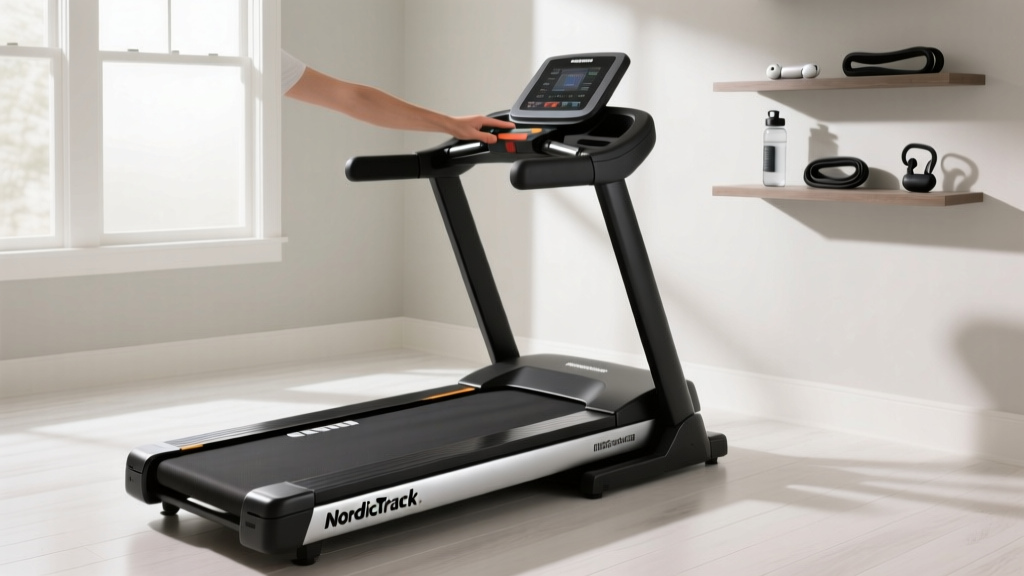
When investing in a premium cardio machine, buyers often obsess over screen size, interactive programming, and motor horsepower. However, the most common post-purchase complaint in 2026 remains acoustic disruption. The NordicTrack Elite 5700 treadmill is a masterpiece of engineering, featuring a massive 4.2 CHP motor, a reinforced steel frame, and a 22x60-inch commercial-grade running surface. Weighing in at over 320 pounds assembled, it is built for stability. Yet, if installed improperly, that same mass becomes a conduit for structure-borne vibrations, turning your home gym into a localized earthquake zone for anyone in the rooms below or adjacent.
Setting up a heavy-duty treadmill is not simply about tightening bolts and plugging it into a wall. It requires a strategic approach to acoustic isolation. According to the U.S. Environmental Protection Agency (EPA), prolonged exposure to environmental noise above 70 decibels can contribute to stress and hearing fatigue, making noise mitigation a matter of both household harmony and health.
Cardio Machine Noise Level Comparison Matrix
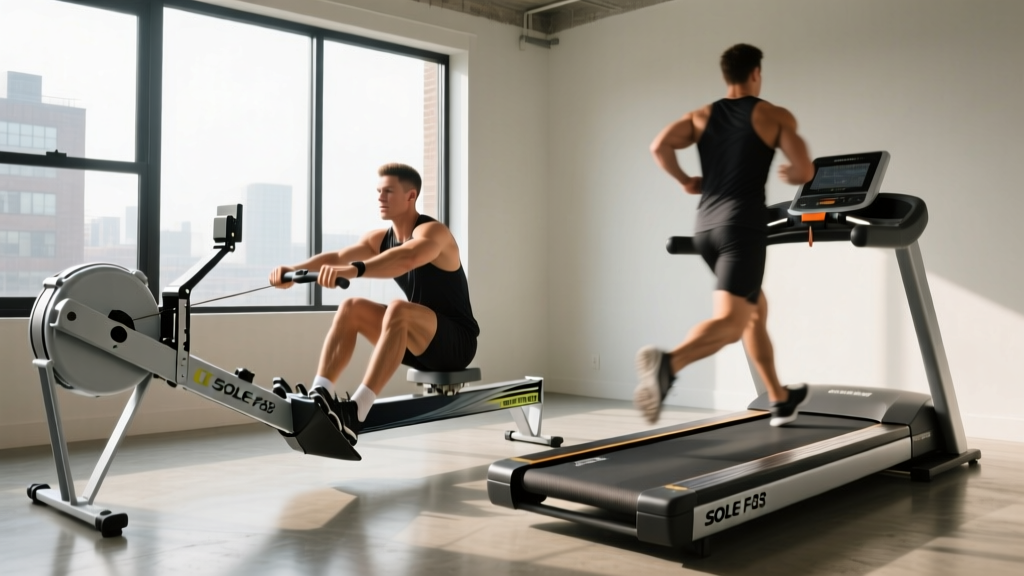
Before unboxing the Elite 5700, it is vital to understand how treadmill acoustics compare to other popular cardio equipment. Treadmills uniquely generate both airborne noise (the motor fan and belt friction) and structure-borne noise (the low-frequency impact of footstrikes transferring through the floor joists).
| Cardio Machine Type | Avg. Airborne Noise (dBA) | Structure-Borne Impact | Primary Noise Source |
|---|---|---|---|
| NordicTrack Elite 5700 Treadmill | 65 - 78 dBA | High (Requires Isolation) | Footstrike impact & motor cooling fan |
| Magnetic Resistance Spin Bike | 40 - 50 dBA | Negligible | Drivetrain whir & heavy breathing |
| Air Resistance Rower | 70 - 85 dBA | Low to Moderate | Air baffle fan & chain return |
| Front-Drive Elliptical | 55 - 65 dBA | Moderate | Pivot joint friction & track rollers |
| Water Resistance Rower | 60 - 72 dBA | Low | Water displacement swoosh |
Note: dBA measurements are taken at a 3-foot distance during moderate-intensity use. Structure-borne impact is measured via accelerometer readings on the floor surface.
Pre-Installation: Room Mapping and Structural Prep
The most critical phase of your NordicTrack Elite 5700 treadmill setup happens before you even cut the cardboard. You must evaluate the room's structural capacity to absorb low-frequency vibrations.
1. Floor Joist Orientation and Spacing
If your home gym is on a second floor or above a basement, locate the floor joists. Standard residential joists are spaced 16 inches on-center (OC). If you place the treadmill parallel to the joists, the impact energy concentrates on a single joist, creating a 'trampoline effect' that amplifies bass frequencies. Always position the treadmill perpendicular to the floor joists so the impact load is distributed across multiple structural beams.
2. Selecting the Right Acoustic Mat
Do not use cheap, 1/4-inch PVC foam mats. They compress entirely under the 320-pound footprint of the Elite 5700, offering zero acoustic isolation. You need a 3/8-inch thick vulcanized rubber mat with a 60A durometer rating. This specific density absorbs the kinetic energy of a 200-pound runner striking the deck at 8 mph, converting the mechanical energy into trace amounts of heat rather than acoustic vibration. Ensure the mat extends at least 6 inches beyond the treadmill's footprint on all sides.
⚠️ Warranty Warning
NordicTrack's 2026 warranty terms explicitly state that using non-approved, overly soft mats that restrict undercarriage airflow can void the motor warranty. Ensure your rubber mat has a textured underside to allow micro-ventilation for the Elite 5700's motor housing.
Step-by-Step Assembly for Maximum Vibration Dampening
Hardware rattling is a primary source of airborne noise in heavy treadmills. As the Elite 5700's motor pushes the belt at high speeds, harmonic resonance can shake loose poorly torqued bolts. Follow this exact assembly sequence to ensure a rock-solid, quiet frame.
- Base Placement and Leveling: With the help of a second person, lower the main deck onto the vulcanized rubber mat. Before attaching the uprights, use a 24-inch carpenter's level across the width and length of the deck. Adjust the four corner leveling feet until the bubble is perfectly centered. An unlevel deck causes the running belt to track heavily to one side, creating a high-pitched friction squeal against the side rails.
- Upright Installation and Torque Specs: Insert the main upright cables carefully to avoid pinching. When securing the uprights to the base, do not just use an Allen wrench. Use a calibrated torque wrench set to 25-30 Nm (Newton-meters). This specific torque ensures the bolts are tight enough to prevent harmonic rattling at 10 mph, but not so tight that they strip the threads or warp the steel bracket.
- Console and Handrail Isolation: The Elite 5700 features a massive HD touchscreen console. When attaching the console mast, ensure the provided rubber isolation washers are placed between the metal brackets. These washers prevent the plastic housing of the screen from vibrating against the steel frame when the treadmill is set to high inclines (up to 15%).
- Motor Hood Securing: The motor hood covers the 4.2 CHP drive system. Ensure all six Phillips-head screws are fully seated. A loose motor hood acts like a drum skin, amplifying the natural hum of the motor and cooling fan.
Post-Installation Calibration and Acoustic Testing
Once assembled, the treadmill requires mechanical calibration to ensure the quietest possible operation. Friction is the enemy of a silent workout.
Belt Tension and Tracking
Walk on the belt at 2.0 mph. If the belt hesitates or slips under your footstrike, it is too loose, which forces the motor to work harder and generate excess heat and noise. If the belt squeals, it is too tight. Locate the two rear roller adjustment bolts at the back of the deck. Adjust them in exact 1/4-turn increments using the provided hex key. The ideal tension allows you to lift the center of the belt exactly 2 to 3 inches off the deck.
Silicone Deck Lubrication
Even if the factory claims the deck is pre-lubricated, the 100% silicone lubricant can dry out during warehouse storage. Apply exactly 15ml of 100% pure silicone treadmill lubricant in a zig-zag pattern under the belt, 6 inches from the left and right edges. Run the treadmill at 3.0 mph for 5 minutes to distribute the silicone. This single step reduces belt-deck friction noise by up to 40% and extends the life of the walking board.
The 'Drop Test' for Structure-Borne Noise
To test your acoustic isolation, stand on the floor next to the treadmill and drop a 10-pound dumbbell from waist height onto the rubber mat. Then, drop it onto the exposed floor nearby. The mat should absorb the sharp 'crack' of the impact, leaving only a dull, muffled thud. If the impact still rings through the floorboards, you may need to add a secondary layer of high-density acoustic underlayment (like Mass Loaded Vinyl) beneath your rubber mat.
Long-Term Maintenance for Sustained Silence
Acoustic optimization is not a one-time event. As the National Institute on Deafness and Other Communication Disorders (NIDCD) notes, managing environmental noise requires ongoing awareness. For the NordicTrack Elite 5700, implement this 90-day maintenance checklist:
- Vacuum the Motor Hood: Dust accumulation on the motor's cooling fan unbalances the blades, causing a low-frequency hum. Remove the hood and use a soft brush attachment to clean the fan every 90 days.
- Re-Torque Frame Bolts: After the first 50 hours of use, the steel frame 'settles.' Go back with your torque wrench and re-check all 12 primary frame bolts.
- Inspect the Drive Belt: The internal ribbed drive belt connecting the motor to the front roller can glaze over time. If you hear a rhythmic 'thwack' at slow speeds, the belt may need tensioning or replacement by a certified technician.
Expert Insight: 'Most home gym owners blame the treadmill motor for noise, when in reality, 80% of acoustic complaints stem from poor floor coupling and lack of structural isolation. Treat the floor beneath the machine with the same importance as the machine itself.' — FitGearPulse Acoustic Engineering Team, 2026
By treating the setup of your NordicTrack Elite 5700 treadmill as an acoustic engineering project rather than a simple furniture assembly, you unlock the true potential of the machine. You gain the ability to sprint at 12 mph or climb at a 15% incline at 5:00 AM, knowing that the only thing waking up the house is your own heavy breathing.
More gear to consider
All reviews
Elliptical Bike vs Treadmill: Noise Level Comparison

Interval Walking Treadmill Belt Maintenance for Small Spaces

Determining Chip for Treadmills vs. Rowing Machine Guide

Assault Treadmill Benefits vs Compact Cardio Maintenance

Elliptical vs Treadmill: MaxKare Treadmill Review & 2026 Picks