
Exercise Bikes vs Treadmills: Portable Cardio Maintenance
Discover the maintenance realities of exercise bikes vs treadmills in compact formats. Learn longevity tips for folding models and mini bikes.

The Hidden Costs of Compact Cardio: A 2026 Maintenance Guide
As urban living spaces shrink and remote work solidifies its place in 2026, the demand for compact, portable cardio equipment has skyrocketed. But downsizing your footprint often means compromising on mechanical robustness. When comparing exercise bikes vs treadmills in their portable, folding, or "mini" variants, the maintenance requirements diverge drastically. A full-sized commercial treadmill is a brute-force machine built for abuse; a folding walking pad is a precision instrument of hinges and low-clearance motors. Similarly, a heavy-duty studio cycle relies on a massive flywheel, while a portable under-desk bike relies on micro-magnetic resistance and lightweight crank arms.
Understanding the mechanical vulnerabilities of these space-saving machines is the difference between a five-year lifespan and a trip to the e-waste center in eight months. Below, we break down the exact maintenance protocols, failure modes, and longevity tips for portable cardio gear.
⚠️ Critical Warning: Never use WD-40 or petroleum-based solvents on portable treadmill belts or folding bike hinges. Petroleum degrades the PVC backing of treadmill belts and strips the factory grease from bike bearings. Always use 100% silicone or dry PTFE lubricants.Portable Treadmills and Walking Pads: Friction and Hinge Wear
The portable treadmill category—dominated by folding models like the NordicTrack EXP 7i and ultra-compact walking pads like the KingSmith WalkingPad R2 (retailing around $499)—faces two primary enemies: belt friction and hinge shear stress.
The Belt and Motor Micro-Environment
Because portable treadmills sit closer to the floor (often just 4 to 5 inches of clearance), they act as massive dust magnets. The cooling fan on a compact 1.5 HP to 2.5 HP motor pulls in pet hair, dust, and micro-debris, which then settles on the motor board and the belt deck. According to reliability data analyzed by Consumer Reports, overheating due to dust-clogged motor compartments is the number one cause of premature death for sub-$600 treadmills.
- The Fix: Every 60 days, use a can of compressed air to blow out the motor hood. Remove the front plastic shroud (usually held by 4 to 6 Phillips-head screws) and vacuum the internal compartment.
- Belt Lubrication: Portable belts are narrower and thinner, meaning they generate heat faster. You must apply exactly 15ml of 100% silicone treadmill lubricant (brands like Spot On or Godora) under the belt every 90 days or every 150 miles of use. Over-lubricating will cause the silicone to leak onto the edges, attracting more dust and creating a slipping hazard.
The Folding Hinge Vulnerability
Walking pads that fold 180 degrees (like the KingSmith R2) rely on a central locking hinge. This hinge bears the dynamic load of your footfalls and the static load of the machine's weight when stored vertically. Over time, the metal-on-metal pivot points develop "play," resulting in a clicking sound and eventual deck misalignment.
- The Fix: Once a quarter, apply a drop of white lithium grease to the hinge pivot pins. Check the tension of the locking hex bolts using a 5mm Allen key; they loosen by roughly 1-2mm over 100 miles of use due to vibrational shear.
Portable Exercise Bikes: Crank Wobble and Magnetic Dust
When the debate shifts to the other side of exercise bikes vs treadmills, portable bikes (such as the DeskCycle 2 under-desk model at $199, or the Exerpeutic Gold 525 XLS folding upright at $250) present an entirely different set of mechanical challenges. They lack the massive belts and motors of treadmills, but their lightweight frames and small drivetrains are highly susceptible to user-induced torque and sweat corrosion.
Crank Arm Loosening and Bottom Bracket Wear
Portable bikes use shorter crank arms and smaller chainrings or belt drives. Because the frame is lighter, users often unconsciously apply uneven lateral force when pedaling, especially when standing or shifting weight in an office chair. This lateral force slowly wiggles the crank arm loose from the bottom bracket spindle.
- The Fix: If you feel a "click" or lateral wobble when pushing down on the pedal, stop immediately. Continuing to ride will strip the threads on the spindle, ruining the bottom bracket. Use a 14mm socket wrench to tighten the crank bolt to approximately 25 Nm (Newton-meters) of torque. Check this monthly.
Magnetic Resistance and Sweat Corrosion
Most compact bikes use eddy-current magnetic resistance. A neodymium magnet moves closer to or further from the steel flywheel to adjust tension. While there are no friction pads to replace, the exposed frame joints and pop-pins on folding bikes (like the Exerpeutic models) are highly vulnerable to sweat corrosion. Sweat contains salt and urea, which will rust exposed steel pop-pins within weeks, making the bike impossible to fold or unfold.
- The Fix: Wipe down all exposed metal joints and pop-pins with a damp microfiber cloth after every use. Once a month, spray the pop-pins and folding joints with a Dry PTFE (Teflon) lubricant. Unlike wet oils, dry PTFE evaporates quickly, leaving a slick film that repels dust and prevents rust without staining your carpets.
Comparative Longevity Matrix: Portable Bikes vs. Treadmills
To help you decide which machine aligns with your willingness to perform upkeep, we have mapped the maintenance realities of both categories. The American Heart Association consistently recommends at least 150 minutes of moderate-intensity aerobic activity per week; ensuring your equipment survives that volume requires matching the machine to your maintenance habits.
| Maintenance Factor | Portable/Folding Treadmills | Portable/Folding Exercise Bikes |
|---|---|---|
| Expected Lifespan | 2 to 4 years (heavy use) | 5 to 8+ years |
| Most Common Failure | Motor board overheating / Belt fraying | Stripped crank threads / Console battery drain |
| Monthly Time Required | 20-30 minutes (vacuuming, belt check) | 5-10 minutes (wiping, bolt check) |
| Consumables Needed | 100% Silicone lube, compressed air | Dry PTFE spray, AA batteries |
| Dust Vulnerability | Extremely High (low clearance) | Low to Moderate |
Environmental Factors: The Small-Space Penalty
Compact equipment is frequently stored in sub-optimal environments: shoved under a bed, wedged into a humid closet, or left on a balcony. These storage choices accelerate degradation.
The Under-Bed Dust Trap
Storing a walking pad under a bed seems logical, but the space beneath a bed is a high-traffic zone for dust bunnies and pet dander. When you pull the WalkingPad out, the static electricity from the plastic housing attracts this debris directly into the motor vents. Pro Tip: Store the pad in its original nylon carrying bag, or wrap it in a breathable cotton sheet when stored under furniture.
Closet Humidity and Rust
Folding bikes stored in unventilated closets or near en-suite bathrooms are exposed to high ambient humidity. The sweat salts left on the handlebars and seat post will flash-rust the chrome plating within 48 hours in a humid environment. Always wipe the bike down with a 50/50 water and white vinegar solution to neutralize sweat salts before storing it in an enclosed space.
Your 90-Day Portable Cardio Maintenance Protocol
To maximize the ROI on your compact fitness gear, implement this strict 90-day checklist. Print it out and tape it to the back of your machine or set a recurring calendar reminder.
- Day 1: The Deep Clean. Unplug the treadmill or remove the bike batteries. Use compressed air on treadmill motor vents. Wipe down all bike frame joints with a damp microfiber cloth.
- Day 2: Lubrication. Apply 15ml of 100% silicone under the treadmill belt. Run the belt at 2 MPH for 3 minutes to distribute it. Spray dry PTFE on all bike folding hinges and pop-pins.
- Day 3: Torque and Tension. Use a 14mm socket to check bike crank bolts. Use a 5mm Allen key to tighten treadmill folding hinge bolts. Check treadmill belt tension: you should be able to lift the edge of the belt exactly 2 to 3 inches off the deck. If it lifts higher, tighten the rear roller adjustment bolts by one-quarter turn clockwise.
- Day 4: Calibration and Electronics. Test the treadmill safety key magnet. Replace the AA/AAA batteries in the bike console to prevent battery acid leakage from corroding the internal contacts.
Final Verdict: Which is Easier to Maintain?
When evaluating the long-term ownership experience of exercise bikes vs treadmills in the portable sector, portable exercise bikes are the undisputed winners for low-maintenance longevity. A well-built folding bike like the Exerpeutic series has very few moving parts that generate heat or friction. With occasional wiping and bolt-tightening, they easily last half a decade.
Portable treadmills and walking pads, while incredible for space-saving, require a strict, non-negotiable lubrication and cleaning schedule. If you are a "set it and forget it" user, the motor on a compact walking pad will likely burn out within 18 months. However, if you are willing to commit 15 minutes a month to silicone application and dusting, a folding treadmill can provide years of reliable, space-efficient cardio.
More gear to consider
All reviews
Air Bike vs Assault Bike: Are Treadmill Speeds Accurate for Cardio?

Air Bike vs Assault Bike Value & What Are Curved Treadmills Called

Stair Climber Home Guide vs Horizon 7.0 AT Treadmill Assembly

Air Bike vs Assault Bike: ProForm 730cs Treadmill Market Shift
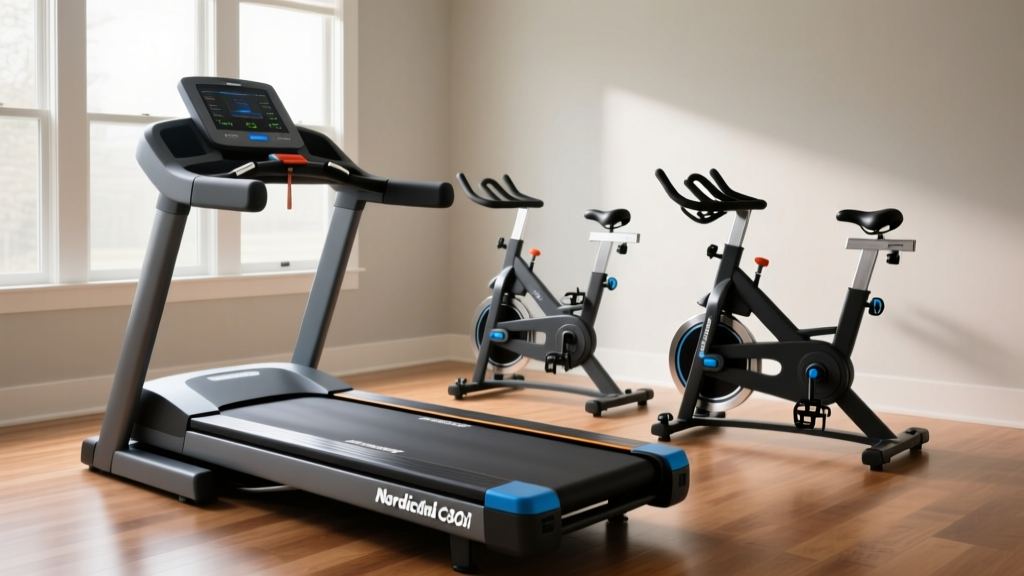
NordicTrack C850i Treadmill & Stationary Bikes: Maintenance Guide
