
Under Desk Treadmill Review: Do You Need Treadmill Assembly Services?
Read our under desk treadmill review to see if you need treadmill assembly services. Plus, essential maintenance tips for office walking pad longevity.

The modern home office has evolved dramatically, and the under-desk treadmill has become a staple for professionals looking to combat the sedentary risks of desk work. According to the Mayo Clinic, prolonged sitting is linked to a host of metabolic issues, making low-intensity steady-state (LISS) walking while working a highly effective intervention. But as you shop for a walking pad in 2026, a common logistical question arises: Do you need to hire professional treadmill assembly services for an under-desk model?
In this comprehensive review, we will evaluate the top under-desk treadmills for office use, break down the actual assembly requirements, and provide deep-dive maintenance protocols to ensure your investment survives the unique hazards of an office environment.
The Assembly Reality: Under-Desk vs. Full-Size Treadmills
To answer the core question immediately: No, you do not need treadmill assembly services for an under-desk walking pad. Unlike full-size commercial or residential treadmills that require assembling heavy upright consoles, attaching handrails, and routing complex wiring through folding hinges, under-desk treadmills are manufactured as single, unified chassis units.
Professional treadmill assembly services—typically booked through platforms like TaskRabbit, Handy, or local fitness equipment installers—charge between $120 and $250 for full-size machines. These services are necessary when dealing with 150-pound motors and delicate incline actuators. Under-desk models, however, are designed for plug-and-play immediacy.
| Equipment Type | Average Unboxing Time | Pro Assembly Required? | Average Assembly Cost (If Hired) |
|---|---|---|---|
| Under-Desk Walking Pad | 10 - 15 Minutes | No (Pre-assembled chassis) | $0 (DIY) |
| Compact Folding Treadmill | 30 - 45 Minutes | Rarely (Console attachment) | $60 - $90 |
| Full-Size Residential Treadmill | 1.5 - 2.5 Hours | Highly Recommended | $150 - $225 |
| Commercial Office Treadmill | 2 - 3 Hours | Mandatory (Warranty req.) | $200 - $300+ |
Top Under-Desk Treadmills for Office Use (2026 Review)
Since you can bypass the cost of treadmill assembly services, you can reallocate that budget toward a higher-quality walking pad. Here is how the top models perform in a daily office environment.
1. WalkingPad R2 (Best for Flexibility)
The WalkingPad R2 remains a benchmark in the compact category. Priced around $499 to $599, it features a patented 180-degree folding mechanism. Out of the box, the only 'assembly' required is unfolding the handrail and plugging it in. The brushless 1.25 HP motor is exceptionally quiet (under 45 dB), meaning it will not interfere with your Zoom calls. However, the narrow 17.3-inch running surface requires strict attention to your walking stride.
2. LifeSpan TR1200-Glow (Best Heavy-Duty Office Option)
If you are tall or plan to use the treadmill for 6+ hours a day, the LifeSpan TR1200-Glow ($899 - $1,099) is the superior choice. It features a 2.5 HP continuous-duty motor and a 20 x 50-inch running area. It arrives with the console detached; you simply bolt the uprights to the base and connect two color-coded ribbon cables. It takes two people about 25 minutes. While you could use treadmill assembly services for this specific model, the included tools and straightforward instructions make it an easy DIY project.
3. Urevo Strol 2E (Best Budget Pick)
Retailing between $250 and $300, the Urevo Strol 2E is a dual-mode (sitting/standing) walking pad. It requires zero assembly. The trade-off at this price point is the deck cushioning; it uses a basic elastomer system that can feel rigid during 4-hour walking sessions. It is best suited for users who walk at slower speeds (1.5 to 2.5 mph) and weigh under 220 lbs.
When to Actually Hire Treadmill Assembly Services
While under-desk models are DIY-friendly, there is a specific scenario where you should absolutely hire professional treadmill assembly services: upgrading to a commercial-grade office treadmill.
According to NIOSH ergonomic guidelines, proper desk height and monitor placement are critical for preventing musculoskeletal disorders. If your office setup requires a heavy-duty treadmill base (like the LifeSpan TR5000) paired with a specialized ergonomic desk frame, the combined weight and calibration requirements necessitate professional installation. Improper leveling of a 300-pound commercial base can void the manufacturer's warranty and cause premature wear on the roller bearings.
Expert Insight: The Warranty Trap
Many premium treadmill brands stipulate in their 2026 warranty terms that if a machine with a motor over 3.0 HP is not assembled by a certified technician or a recognized treadmill assembly service, the motor and frame warranties may be voided. Always check the unboxing manual's warranty clause before deciding to DIY a full-size machine.
Maintenance & Longevity: Surviving the Office Environment
Skip the assembly fees, but do not skip maintenance. Office environments are notoriously hostile to treadmill electronics due to static electricity, carpet fibers, and dust. To maximize longevity, follow this strict maintenance protocol.
The Dust and Static Threat
Most home offices feature low-pile synthetic carpets or hard floors with area rugs. As the treadmill belt moves, it generates static electricity, which acts as a magnet for microscopic dust and pet hair. This debris is pulled directly into the motor cooling fan. Over 6 to 9 months, this forms an insulating blanket over the Motor Control Board (MCB), leading to overheating and catastrophic failure.
- The Mat Rule: Never place an under-desk treadmill directly on carpet. Use a 1/4-inch thick PVC treadmill mat ($30-$45). This reduces static buildup by up to 80% and prevents carpet fibers from entering the motor hood.
- Quarterly Vacuuming: Every 90 days, unplug the machine, remove the 4 to 6 screws securing the front motor hood, and use a vacuum with a soft brush attachment to clean the MCB and motor fins.
Lubrication Schedules for Low-Speed Walking
A common misconception is that walking at 2.0 mph causes less wear than running at 6.0 mph. In reality, low-speed walking distributes silicone lubricant unevenly across the deck, often leaving the center (where your feet strike) dry while pushing excess lube to the edges.
Pro Tip: Use only 100% silicone liquid lubricant. Avoid aerosol sprays, which contain petroleum distillates that will melt the rubber backing of your walking belt. Apply 10ml of liquid silicone every 2 months for daily office users, and run the machine at 3.0 mph for 3 minutes to distribute it evenly.
Troubleshooting Common Office Walking Pad Failures
Even with meticulous care, under-desk treadmills can throw error codes. Here is how to diagnose the most common issues without calling a repair service.
- E01 / E02 (Communication Error): This means the console is not talking to the MCB. On models with a detached remote receiver, check the thin wire running from the front hood to the rear display. A slight kick under the desk can easily dislodge this connector. Simply push it back in until it clicks.
- E05 (Motor Stall / Overcurrent): The motor is drawing too many amps. This is rarely a dead motor; it is almost always a dry belt or a belt that is too tight. Loosen the rear roller adjustment bolts by exactly one full turn on each side, lubricate the deck, and reset the machine.
- Belt Slipping During Calls: If the belt hesitates when you step on it, the drive belt (connecting the motor to the front roller) is loose. Tip the machine on its side, remove the belly pan, and tighten the motor tension bolt by a quarter-turn until the drive belt has about 1/2 inch of deflection when pressed.
Final Verdict
When outfitting your home office, you can confidently cross treadmill assembly services off your budget list if you are purchasing a dedicated under-desk walking pad like the WalkingPad R2 or Urevo Strol 2E. These machines are engineered for immediate deployment. However, if your ergonomic needs dictate a full-size commercial treadmill paired with a standing desk, professional assembly is a worthy investment to protect your warranty and ensure structural integrity.
Ultimately, the longevity of your office cardio equipment relies not on how it is assembled, but on how well you manage the unique dust and friction hazards of the workspace. For more in-depth buying advice, refer to the Consumer Reports Treadmill Buying Guide to ensure you select a model that matches your specific daily mileage requirements.
More gear to consider
All reviews
Assault vs Air Bike & Horizon Fitness T101 Connect Treadmill

Sunny Health and Fitness T4400 Treadmill vs Walking Pads: 2026 Guide

Christopher Gregor Treadmill: Under-Desk Review & Maintenance
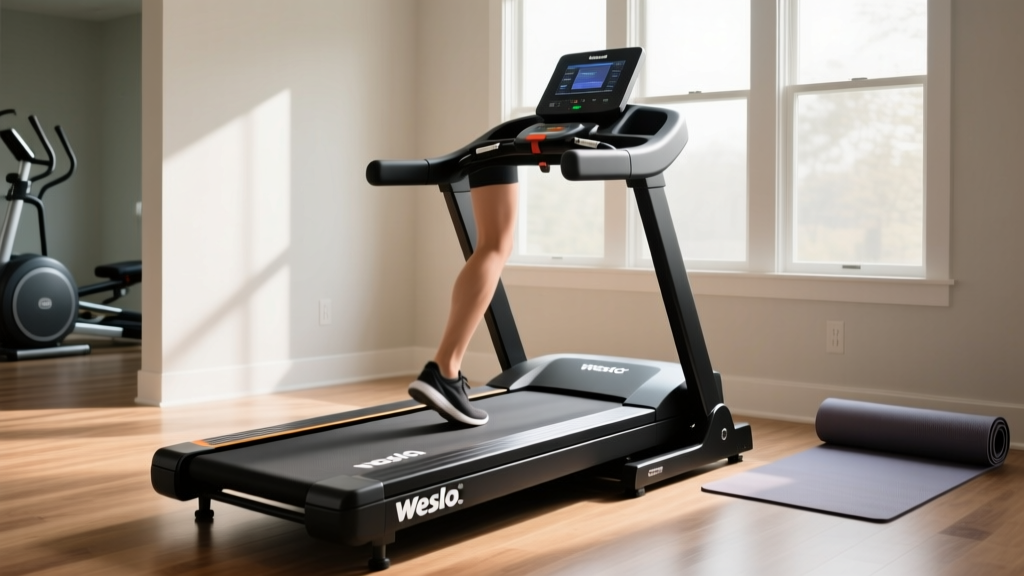
Weslo Cadence 5.2 Treadmill Setup & Walking Pad Review
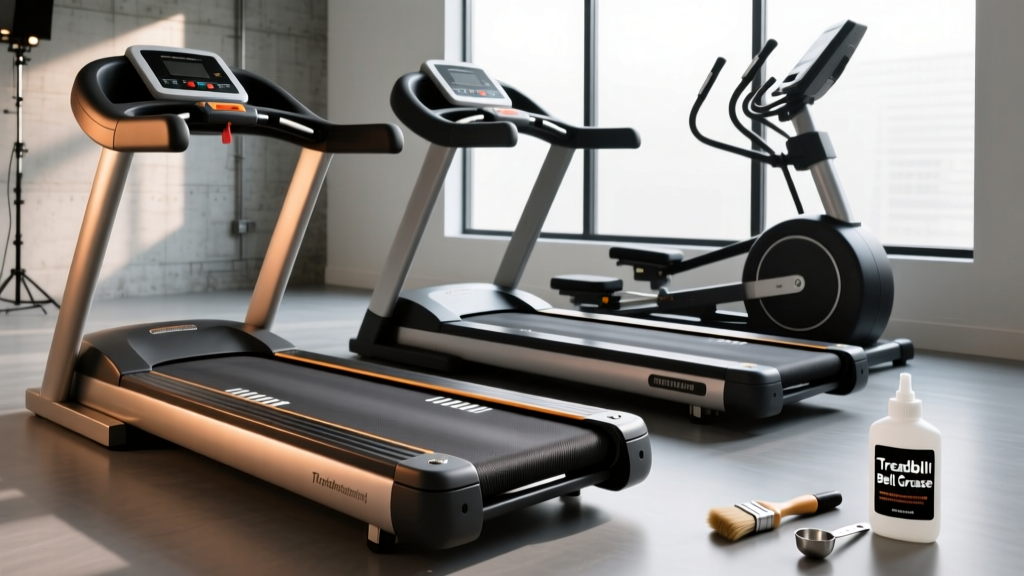
Curved vs Motorized Treadmill: How to Grease a Treadmill Belt
