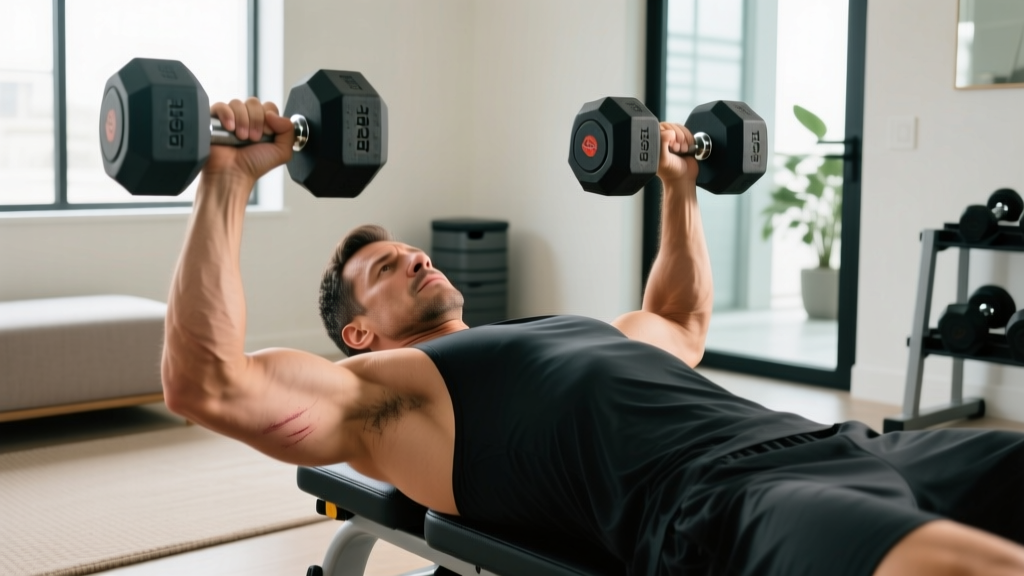
Mastering Incline Dumbbell Flies: Neoprene Dumbbell Mistakes & Fixes
Troubleshoot common incline dumbbell flies mistakes when using neoprene dumbbells. Fix grip fatigue, forearm bruising, and loading issues at home.

The Neoprene Dilemma: Why Your Chest Isn't Growing
When outfitting a home gym, a rack of neoprene coated dumbbells is often the first equipment purchase. They are affordable, floor-friendly, color-coded, and protect against rust. However, as lifters progress to targeted isolation movements, this specific equipment begins to reveal its limitations. If you are struggling to build your upper chest and find yourself frustrated during incline dumbbell flies, your equipment choice might be the hidden culprit.
In the current 2026 home fitness market, neoprene sets (like the popular CAP Barbell or AmazonBasics lines) remain the entry-level standard. But neoprene is a thick, synthetic rubber coating that fundamentally alters the grip diameter, weight distribution, and physical shape of the dumbbell. When combined with the extreme biomechanical demands of the incline fly, these design quirks lead to a cascade of form breakdowns, premature muscle fatigue, and even joint pain. This troubleshooting guide dissects the exact failure modes of using neoprene dumbbells for incline flies and provides actionable, equipment-specific solutions.
4 Critical Mistakes When Using Neoprene Dumbbells for Flies
1. The 'Thick Grip' Forearm Fatigue Failure
Standard Olympic barbell shafts measure 28mm to 29mm in diameter. Urethane-coated professional dumbbells typically feature handles around 30mm to 32mm. Neoprene dumbbells, however, require a thicker layer of coating to prevent tearing, often swelling the handle diameter to 35mm or even 38mm on heavier weights (20+ lbs).
During an incline dumbbell fly, the lever arm is exceptionally long. Your arm acts as a lever, placing immense torque on the wrist and forearm. The thicker the grip, the more your crush grip is compromised. Lifters frequently experience their brachioradialis and flexor carpi radialis failing long before the clavicular head of the pectoralis major reaches mechanical tension. The Fix: If you refuse to upgrade your dumbbells, integrate lifting straps (like Versa Gripps or standard cotton loops) into your fly sets. By removing the grip constraint, you can isolate the chest without forearm interference.
2. Hex-Shape Forearm Bruising at the Bottom Position
Most neoprene dumbbells feature a hexagonal head to prevent rolling. While great for floor exercises like renegade rows, the hex shape is detrimental to flies. At the bottom of the eccentric phase of an incline fly, the dumbbells drop below the torso line to stretch the pec fibers. With a hex dumbbell, the flat, hard edges encased in the soft rubber inevitably dig into the radius and ulna bones of your forearm, causing bruising and forcing you to cut the range of motion short.
⚠️ Troubleshooting Warning: Cutting the range of motion short to avoid forearm bruising eliminates the most hypertrophic part of the fly: the deep stretch. According to the ExRx Kinesiology Database, the stretch-mediated hypertrophy response is critical for the clavicular pec. If you feel bone pain, slightly externally rotate your wrists or switch to round-headed dumbbells.3. The 5-Pound Micro-Loading Wall
Neoprene dumbbell sets are almost exclusively sold in fixed 5-pound increments (e.g., 10, 15, 20, 25 lbs). For compound presses, a 5-lb jump per hand (10 lbs total) is manageable. For an isolation exercise like the incline fly, jumping from 15s to 20s represents a 33% increase in total load. This massive jump frequently overloads the biceps tendon and the anterior deltoid, leading to connective tissue strain rather than muscle growth.
The Fix: Invest in magnetic micro-loads (such as PlateMates). Adding 1.25 lb or 2.5 lb magnets to the flat ends of your hex neoprene dumbbells allows for 2.5 lb to 5 lb total progression increments, bridging the gap between fixed weights and allowing for sustainable progressive overload.
4. Momentum Cheating with Bulky Ends
Because neoprene is less dense than solid steel or polyurethane, a 25 lb neoprene dumbbell is physically much larger than a 25 lb urethane competition dumbbell. This bulky profile alters the center of mass and makes the dumbbell feel 'swingy.' Lifters often use momentum from the hips and shoulders to heave the bulky bells into position, entirely negating the isolation nature of the fly.
Biomechanical Breakdown: Bench Angle & Equipment Interaction
The angle of your incline bench dictates which muscle fibers bear the brunt of the load. The American Council on Exercise (ACE) notes that the clavicular (upper) pec is best targeted at a 15° to 30° incline. When you push the bench to 45° or higher, the anterior deltoid takes over.
When using bulky neoprene dumbbells, lifters tend to set the bench too high to compensate for the awkward clearance of the large dumbbell heads at the bottom of the movement. By lowering the bench to a true 30° angle and focusing on a wide, sweeping arc (as if hugging a large barrel), you can bypass the physical bulk of the neoprene and keep the tension squarely on the upper chest.
Equipment Comparison: Is It Time to Upgrade?
If you have applied the troubleshooting fixes above and are still struggling with incline dumbbell flies, it may be time to evaluate your equipment against higher-tier alternatives. Below is a comparison matrix of common home gym dumbbell types for isolation work.
| Equipment Type | Handle Diameter & Texture | Head Shape & Clearance | Progressive Overload | Est. Cost per lb (2026) |
|---|---|---|---|---|
| Neoprene Hex (Fixed) | 35mm+, Smooth/Slippery | Hex (Poor forearm clearance) | 5 lb jumps (Requires magnets) | $1.50 - $2.00 |
| Urethane Round (Fixed) | 30mm, Medium Knurl | Round (Excellent clearance) | 5 lb jumps | $3.50 - $5.00 |
| Adjustable (e.g., Nuobell 80) | 28mm, Aggressive Knurl | Tapered/Round (Great clearance) | 2.5 lb to 5 lb micro-jumps | $5.50 - $6.50 |
"For isolation movements where the lever arm is long and grip strength is a limiting factor, the knurled handle of an adjustable or urethane dumbbell is non-negotiable. Neoprene is designed for high-rep circuit training and floor work, not for maximizing mechanical tension on the clavicular pec." — Home Gym Equipment Biomechanics Analysis, FitGearPulse Labs
The Fix: The Home Gym Neoprene Fly Protocol
If you are committed to using your current neoprene coated dumbbell set for home use, implement this exact protocol to salvage your incline dumbbell flies and stimulate upper chest growth:
- Set the Bench to 20°-30°: Avoid the standard 45° notch on most adjustable benches. Use a block or the lowest incline setting to ensure the anterior deltoid does not hijack the movement.
- Strap In: Wrap lifting straps around the thick neoprene handles. This entirely removes grip fatigue from the equation.
- Control the Eccentric: Because you cannot easily micro-load, you must increase time under tension. Lower the dumbbells for a strict 3-second count until you feel a deep stretch in the upper pec, pausing for 1 second at the bottom.
- The 'Hug' Concentric: Pressing the weights straight up turns the fly into a partial press. Instead, focus on bringing the dumbbells together in a wide arc, stopping when they are shoulder-width apart at the top to maintain constant tension on the chest.
- Use Magnetic Micro-Loads: When 15 lbs becomes too easy for 3 sets of 12, do not jump to 20 lbs. Snap 2.5 lb magnetic weights onto the hex ends and continue progressing smoothly.
By understanding the physical limitations of neoprene coatings and adjusting your biomechanics and accessories accordingly, you can turn a frustrating home gym limitation into a highly effective upper-chest hypertrophy stimulus.
More gear to consider
All reviews
Quick Dumbbell Arm Workout Alternative: Kettlebell Market Guide
EZ Curl Bar vs Straight Bar & Top Weight Plates for Dumbbells

Dumbbell Floor Press for Women: Space-Saving Loadable Dumbbell Guide

Power Rack vs Squat Rack vs Stand + Dumbbell Thigh Exercises

Bumper Plate vs Iron Plate: Setup for the Single Arm Dumbbell Fly
