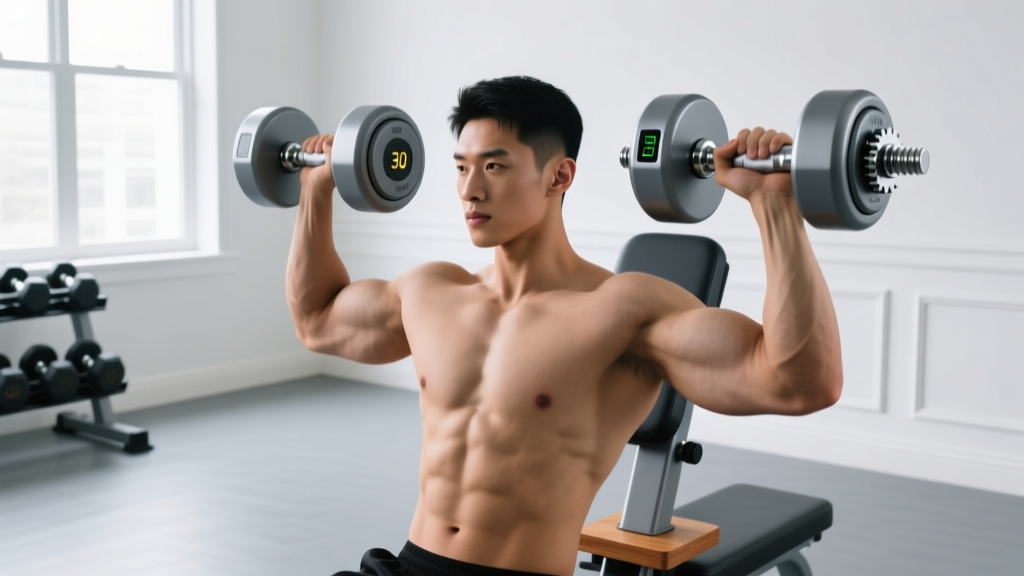
Adjustable Dumbbell Review: Setup Guide for Trap Exercises with Dumbbells
Master your adjustable dumbbell setup and compare top models. Find the best gear for effective trap exercises with dumbbells in our expert walkthrough.

The Intersection of Equipment Setup and Trapezius Isolation
When building a home gym, adjustable dumbbells are the undisputed kings of space efficiency. However, unboxing and assembling these precision mechanisms is only half the battle. A proper adjustable dumbbell setup is critical not just for equipment longevity, but for your physical safety—especially when performing high-tension, heavy-load movements. If you are focusing on upper-back development, specifically trap exercises with dumbbells like heavy shrugs, upright rows, and farmer's walks, the structural integrity of your dumbbell's selector mechanism and handle ergonomics will dictate your success.
In this 2026 comprehensive walkthrough, we will guide you through the exact installation and calibration steps for the market's leading adjustable dumbbells. Then, we will compare their form factors to determine which model actually supports optimal biomechanics for trapezius hypertrophy, eliminating the grip-fatigue bottlenecks that plague inferior designs.
Step-by-Step Adjustable Dumbbell Installation & Calibration
Before you load up the plates for a heavy set of shrugs, your equipment must be flawlessly calibrated. According to the Consumer Product Safety Commission (CPSC) guidelines on exercise equipment, improper assembly of adjustable weight mechanisms is a leading cause of home gym impact injuries. Follow this universal setup protocol:
Step 1: Base Station Leveling and Placement
Adjustable dumbbells rely on gravity and precise alignment to engage weight plates. Place the base trays on a hard, completely level surface. If your home gym features thick rubber stall mats with uneven seams, the tray may sit at a microscopic angle. This causes the internal selector dials to bind, leading to a catastrophic failure where a weight plate detaches mid-rep.
Step 2: Dial and Selector Pin Calibration
- Dial Systems (e.g., Bowflex): Ensure the dumbbell is fully seated in the tray before turning the dials. Both the inner and outer dials must click into the exact same weight number. A mismatched dial will cause the handle to lock improperly.
- Pin-and-Lever Systems (e.g., PowerBlock): Insert the selector pin completely through the weight stack until the magnetic retention ring snaps into place on the opposite side. Tug the pin lightly to verify engagement.
- Slide-and-Snap Systems (e.g., Nuobell): Twist the handle to the desired weight, then press the dumbbell firmly down into the cradle until you hear a distinct, dual-tone mechanical click, indicating the base plates have fully disengaged from the cradle.
2026 Adjustable Dumbbell Comparison: Which is Best for Traps?
Not all adjustable dumbbells are created equal. When performing trap exercises with dumbbells, handle diameter and knurling depth are the most critical variables. Below is our expert comparison matrix based on current 2026 retail pricing and biomechanical suitability.
| Model | 2026 Price (Pair) | Handle Diameter | Knurling Type | Trap Suitability |
|---|---|---|---|---|
| Nuobell 80lb | $449 | 1.28 inches | Aggressive Steel | Excellent |
| Bowflex 552 | $399 | 1.45 inches | Mild / Smooth | Poor |
| PowerBlock Elite EXP | $359 | 1.20 inches | Moderate Steel | Good (Cage Grip) |
Nuobell 80lb: The Knurled Steel Champion for Traps
If your primary goal is heavy isolation work, the Nuobell 80lb is the undisputed winner. Because it mimics the exact dimensions of a standard commercial Olympic dumbbell, the 1.28-inch handle diameter allows for optimal grip closure. The aggressive steel knurling bites into the calluses, ensuring that when you perform heavy dumbbell shrugs, your trapezius muscles reach mechanical failure before your forearm flexors give out. Setup time is roughly 12 minutes per dumbbell, primarily involving snapping the weight plates into the cradle tracks and verifying the twist-dial tension.
Bowflex SelectTech 552: The Grip Bottleneck
While the Bowflex 552 remains a beloved staple for general fitness, it is a poor choice for dedicated trap training. The handle diameter is a massive 1.45 inches, and the plastic-molded grip lacks any meaningful knurling. When attempting heavy shrugs, the thick, smooth handle will cause immediate grip slippage. Furthermore, the overall length of the Bowflex (15.75 inches) creates awkward clearance issues during upright rows, often forcing the user to alter their wrist angle, leading to impingement.
PowerBlock Elite EXP: The Compact Alternative
PowerBlock's cage design keeps the center of gravity incredibly close to the wrist, which is highly beneficial for farmer's walks and upright rows. The 1.20-inch handle is easy to grip, though the open-cage design requires you to wrap your fingers around a central bar rather than a solid cylinder, which some lifters find uncomfortable during peak trap contraction. Setup is the fastest of the three, taking under 8 minutes to assemble the expansion pins and verify the magnetic retention rings.
Biomechanics: Why Dumbbell Form Factor Matters for Trap Exercises
The trapezius is a dense, highly resilient muscle group that responds best to heavy loads and deep stretches. According to ExRx.net's biomechanical breakdown of the dumbbell shrug, the primary function of the upper traps is scapular elevation. To maximize this, the lifter must hold heavy weights at arm's length without bending the elbows.
This is where equipment setup and selection intersect with human anatomy. If your dumbbell handle is too thick or lacks knurling, the grip becomes the weak link in the kinetic chain. The American Council on Exercise (ACE) exercise library emphasizes maintaining a neutral wrist and relaxed arm during shrugs to isolate the traps. A poorly designed adjustable dumbbell forces the lifter to over-squeeze the handle, recruiting the biceps and forearms, thereby robbing the traps of the necessary time-under-tension.
Optimizing Your Setup for Specific Movements
- Heavy Shrugs: Use Nuobell or PowerBlock. Load the weight to 70-80% of your 1RM. Focus on a 2-second pause at the peak contraction. Ensure your base tray is clear of obstacles so you can drop the weights safely (with control) post-failure.
- Upright Rows: Use lighter weights (15-25 lbs). The Bowflex 552 is actually acceptable here due to the lighter load, but the shorter profile of the PowerBlock prevents the dumbbell ends from colliding with your torso at the top of the movement.
- Farmer's Walks: Load to maximum capacity. The compact footprint of the PowerBlock Elite EXP allows the weights to hang perfectly flush against your thighs, preventing the awkward outward arm flare caused by longer adjustable dumbbells.
Maintenance and Long-Term Care
Adjustable dumbbells require ongoing maintenance to ensure the selector mechanisms do not degrade. Sweat and magnesium carbonate (chalk) are the enemies of internal gears.
- Weekly: Wipe down the handles and weight plates with a microfiber cloth and a mild, non-corrosive disinfectant. Avoid bleach-based cleaners, which will oxidize the steel knurling and degrade plastic casings.
- Monthly: Inspect the selector dials and pins for chalk buildup. Use a soft-bristled brush or compressed air to clear debris from the base tray tracks.
- Annually: Check all visible screws and retention clips. The vibration from heavy trap exercises and farmer's walks can slowly back out screws on the end-caps over time.
Frequently Asked Questions
Can I use lifting straps with adjustable dumbbells for shrugs?
Yes, using lifting straps is highly recommended when performing trap exercises with dumbbells, especially if you are using models with thicker handles like the Bowflex. Wrapping a standard cotton or nylon lifting strap around the handle will bypass grip fatigue, allowing you to overload the trapezius muscles safely.
Why does my adjustable dumbbell click when I lift it?
A clicking sound during the concentric phase of a shrug usually indicates that a weight plate is not fully seated in the retention groove. This happens if the base tray is on an uneven surface or if the dial was turned while the dumbbell was lifted out of the cradle. Immediately lower the weight, return it to the tray, and re-seat the dial.
Are adjustable dumbbells safe for drop-sets?
While adjustable dumbbells are excellent for drop-sets, you must never drop them onto the floor. You must manually place them back into the cradle to change the weight. For trap-focused drop-sets, position your base trays immediately next to your thighs to minimize the distance and time required to swap weights.
More gear to consider
All reviews
EZ Curl Bar vs Straight Bar: Space Layout & Dumbbell Jumps
EZ Curl Bar vs Straight Bar: Beyond Types of Dumbbell Exercises

Bumper vs Iron Plate Comparison & Lying Dumbbell Extensions
Bumper vs Iron Plates: Budget Guide & Incline Dumbbell Fly GIF Form

What Does Dumbbell Fly Work? Barbell Collars & Clamps Compared
