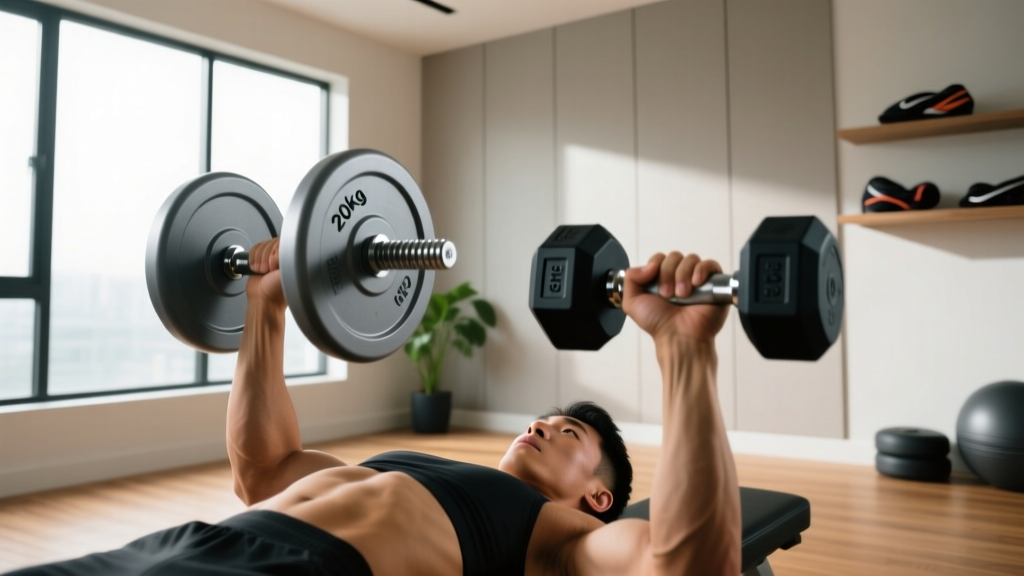
Troubleshooting Dumbbell Press Technique: Olympic vs Standard Plates
Fix your dumbbell press technique by understanding Olympic vs standard weight plates. Avoid common loading mistakes, grip traps, and balance issues.

Building a cost-effective home gym often leads lifters toward plate-loaded dumbbell handles. However, a frustrating and surprisingly common issue arises when athletes load up their handles and hit the bench: the lift feels unstable, the wrists ache, and the groove is completely off. If you have been struggling to dial in your dumbbell press technique, the culprit might not be your biomechanics—it might be your weight plates.
Confusing Olympic and standard weight plates, or mismatching them with the wrong handle sleeves, introduces severe mechanical disadvantages. From altering your center of mass to forcing dangerous grip widths, the wrong plate type can derail your progress and invite injury. In this troubleshooting guide, we break down the exact differences between Olympic and standard plates, identify the most common loading mistakes, and provide actionable fixes to restore your pressing mechanics.
The Core Conflict: Olympic vs Standard Weight Plates Explained
Before troubleshooting your lift, we must establish the physical differences between the two dominant plate formats. The distinction goes far beyond the size of the center hole; it dictates loadable surface area, plate thickness, and overall weight distribution.
Quick Reference: Plate Dimensions- Standard Plates: Feature a 1-inch (25mm) center hole. Typically made of cast iron or cement-filled vinyl. They are thicker per pound and designed for lightweight, budget-friendly home setups.
- Olympic Plates: Feature a 2-inch (50mm) center hole. Ranging from cast iron to precision urethane and rubber bumpers, they are the global standard for commercial gyms and serious home gyms due to their durability and calibrated accuracy.
When you apply these physical differences to a short implement like a dumbbell handle, the margins for error shrink dramatically. According to exercise mechanics data from ExRx.net, the dumbbell bench press requires high degrees of unilateral stabilization. Any asymmetry or shift in the implement's center of gravity forces the rotator cuff to overcompensate, immediately degrading your form.
4 Common Mistakes That Destroy Your Dumbbell Press Technique
If your press feels shaky or your joints are aching, review these four critical mistakes related to plate selection and loading.
1. The Grip Width Trap (Using Thick Standard Plates)
Standard 1-inch cast iron plates are notoriously thick. A standard 25-pound plate is roughly 1.2 inches thick, whereas a 25-pound Olympic machined iron plate is less than 0.8 inches thick. When you load standard plates onto a dumbbell handle, the plates quickly encroach on the space where your wrists and hands need to sit.
To avoid the plates crushing your wrists at the bottom of the movement, you are forced to widen your grip. This wider grip fundamentally alters your dumbbell press technique, increasing shoulder abduction and placing excessive torque on the acromioclavicular (AC) joint. Over time, this leads to shoulder impingement and a severe loss of pressing power.
2. The Wobble Effect (Standard Plates on Olympic Sleeves)
Some lifters attempt to use 1-inch standard plates on 2-inch Olympic loadable dumbbell handles by using sleeve adapters. This is a catastrophic mistake for pressing movements. The 1-inch gap between the plate and the sleeve creates radial play. As you press the weight upward, the plates shift microscopically on the sleeve, creating a 'wobble effect.' Your nervous system detects this instability and inhibits muscle contraction to protect the joint, effectively robbing you of strength and ruining your mind-muscle connection.
3. Ignoring Caliper Width and Center of Mass
When mixing plate materials—such as pairing a thick rubber bumper plate with a thin cast iron plate on the same dumbbell sleeve—you shift the center of mass away from the handle's midpoint. During the eccentric (lowering) phase of the press, the dumbbell will naturally want to tilt toward the heavier, denser side. Your forearm stabilizers must work overtime to keep the dumbbell level, diverting neurological drive away from the pectorals.
4. Overloading Short Sleeves (The Spinlock Failure)
Standard spinlock dumbbell handles typically offer only 6 to 7 inches of loadable sleeve space. If you attempt to load them past 50 pounds per hand using standard plates, you run out of physical space to secure the spinlock nut. If the nut is only threaded on by two or three rotations, the violent torque of a heavy dumbbell press can cause the collar to back off mid-set, resulting in plates sliding off the sleeve and crashing onto your chest or face.
Comparison Matrix: Standard vs Olympic Plates for Pressing
Use this matrix to evaluate which plate type supports proper pressing mechanics based on your current equipment.
| Feature | Standard (1-inch) Plates | Olympic (2-inch) Plates |
|---|---|---|
| Sleeve Diameter | 25mm (1 inch) | 50mm (2 inches) |
| Plate Thickness (25lb) | ~1.2 inches (Cast Iron) | ~0.8 inches (Machined Iron) |
| Max Load per Handle | ~60-80 lbs (Space limited) | 120+ lbs (Extended sleeves) |
| Impact on Grip Width | Forces wider, riskier grip | Allows natural, shoulder-width grip |
| Average Cost (per lb) | $1.20 - $1.80 | $2.50 - $4.50 |
Troubleshooting Your Setup: Step-by-Step Fixes
If you have identified that your gear is sabotaging your dumbbell press technique, follow this diagnostic troubleshooting flow to correct the issue.
- Measure Your Grip Clearance: Load your target weight and assume the starting position at the top of the press. Lower the dumbbells until your elbows are at 90 degrees. If the plates touch your wrists or forearms before your pecs are fully stretched, your plates are too thick. Fix: Switch to thinner Olympic machined iron plates or buy higher-quality, dense urethane standard plates.
- Check the Collar Thread Engagement: Inspect your spinlock or spring collars. You must have at least 50% of the collar's internal threads engaged on the handle to safely withstand the lateral torque of a heavy press. Fix: If you lack sleeve space, you must upgrade to longer loadable handles.
- Verify Symmetrical Loading: Ensure both dumbbells are loaded with the exact same plate denominations (e.g., two 25s and one 10, rather than one 45 and one 15). Matching the physical width of the plates on both sides ensures the center of mass remains identical, allowing for a symmetrical pressing groove.
Expert Gear Recommendations for Home Gyms
To execute a flawless press, your equipment must meet commercial tolerances. Based on current 2026 market pricing and durability testing, here are the top configurations for plate-loaded dumbbells:
- The Premium Olympic Setup: Rogue Loadable Dumbbell Handles ($95.00/pair). These feature a 10.5-inch loadable sleeve and a 35mm shaft diameter, perfectly mimicking the feel of a fixed commercial dumbbell while allowing you to slide on standard 2-inch Olympic plates.
- The Budget Standard Setup: Titan Fitness Standard Spinlock Handles ($24.99/pair) paired with CAP Barbell 1-inch Urethane Plates. Urethane is significantly denser than cast iron, reducing the plate thickness and preventing the grip-width trap mentioned earlier.
Expert Warning: Never use Olympic bumper plates on loadable dumbbell handles for pressing movements. Bumper plates are 17.7 inches in diameter regardless of weight. When you lie on a bench, the massive diameter of the 10lb or 15lb bumper plates will hit the bench pad before your elbows can achieve a full stretch, completely eliminating the eccentric portion of the lift.
Frequently Asked Questions
Can I use standard plates on an Olympic barbell but Olympic plates on my dumbbells?
Yes, many home gym owners use cheap 1-inch standard plates for their barbell deadlifts and squats to save money, while investing in 2-inch Olympic plates for their loadable dumbbell handles. This is a smart financial strategy, as the thick standard plates do not negatively impact barbell mechanics the way they ruin dumbbell grip clearance.
Why does my wrist hurt at the bottom of the dumbbell press?
Wrist pain during the bottom phase of the press is often caused by the dumbbell handle being forced into extreme ulnar deviation due to thick plates pressing against the forearm. According to the American Council on Exercise (ACE), maintaining a neutral wrist aligned directly over the elbow joint is critical for force transfer and joint safety. Thinner Olympic plates resolve this clearance issue.
Are hex-shaped dumbbell plates better for pressing?
Hex-shaped plates are excellent for preventing dumbbells from rolling away when placed on the floor or a bench. However, for the actual pressing movement, the shape of the plate does not affect biomechanics as long as the sleeve diameter and plate thickness allow for proper grip clearance and secure collar threading.
Final Thoughts
Perfecting your dumbbell press technique requires more than just mind-muscle connection and proper elbow tuck; it demands equipment that supports natural human biomechanics. By understanding the critical differences between Olympic and standard weight plates, you can eliminate hidden mechanical disadvantages, protect your shoulder joints, and finally press with the stability and power your home gym deserves.
More gear to consider
All reviews
Barbell Collar Guide: Safety for Dumbbell Exercise for Hamstrings

Rubber Hex vs Urethane: Best for Dumbbell Sumo Squats for Glutes

Rubber Hex vs Urethane: Gear for Leg Workouts at Home with Dumbbells
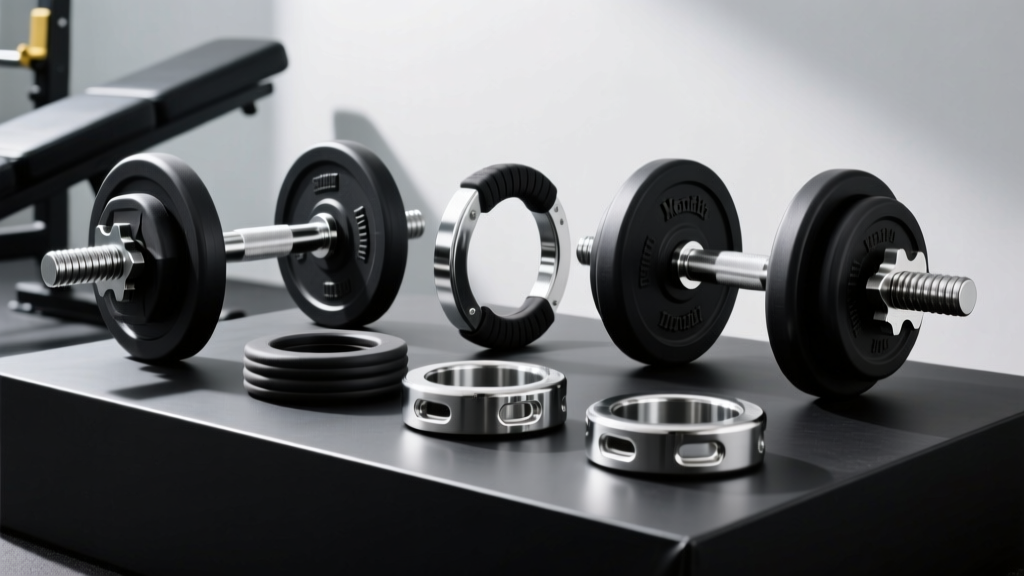
Barbell Collar and Clamp Types Comparison for Dumbbell Rows No Bench

Cast Iron vs Competition Kettlebells: Leg Workout Gym with Dumbbells
