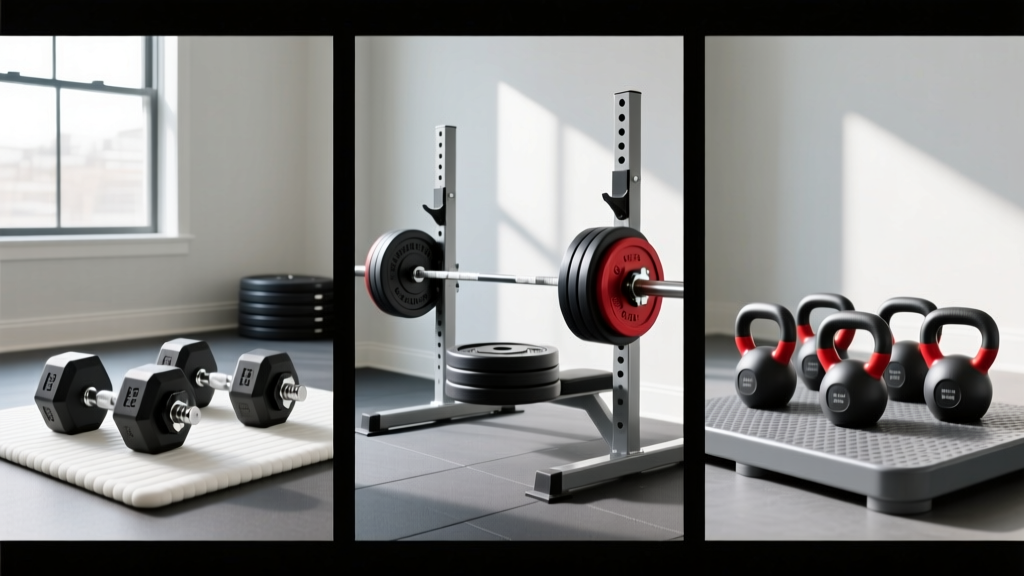
Olympic vs Standard Plates: Abs Exercise Using Dumbbells Guide
Compare Olympic vs standard weight plates for your 2026 home gym. Learn how your choice impacts barbell lifts and any abs exercise using dumbbells.

The Foundation of Your Home Gym: Standard vs. Olympic
Building a home gym in 2026 requires navigating a maze of equipment specifications, but no decision is more foundational than choosing between Olympic and standard weight plates. This choice dictates not only the barbells you can use but also the accessories, storage racks, and plate-loaded dumbbell handles you will rely on for accessory work. Many beginners overlook how this initial purchase impacts their ability to perform an abs exercise using dumbbells, such as weighted Russian twists or goblet sit-ups, which require specific plate-loaded handles or fixed dumbbells.
Beginner Callout: The terms 'Standard' and 'Olympic' do not refer to the quality or weight of the plates themselves, but rather to the diameter of the center hole. Standard plates have a 1-inch hole, while Olympic plates feature a 2-inch hole. This single inch of difference changes the entire trajectory of your fitness journey.In this step-by-step guide, we will break down the exact dimensions, failure modes, and pricing structures of both plate types, ensuring you make an investment that supports everything from heavy deadlifts to targeted core training.
Step 1: Decoding the Dimensions and Specs
Before spending your hard-earned money, you must understand the physical footprint and mechanical limits of each plate category. The International Weightlifting Federation (IWF) sets strict tolerances for Olympic gear, whereas 'Standard' gear operates more like the Wild West of manufacturing.
| Feature | Standard Plates (1-Inch) | Olympic Plates (2-Inch) |
|---|---|---|
| Center Hole Diameter | 1 inch (25.4 mm) | 2 inches (50.4 mm) |
| Typical Materials | Cast Iron, Cement/Vinyl | Cast Iron, Urethane, Rubber Bumper |
| Max Safe Barbell Load | ~200 - 250 lbs | 800 - 1,500+ lbs |
| 2026 Avg. Cost (Cast Iron) | $1.20 - $1.60 / lb | $2.00 - $2.80 / lb |
| Plate Thickness (10lb) | 1.1' (Iron) / 2.5' (Vinyl) | 0.9' (Iron) / 1.8' (Bumper) |
Step 2: Evaluating Standard Plates (The 1-Inch Route)
Standard plates are typically the entry point for casual lifters buying budget-friendly kits from big-box sporting goods stores. While the upfront cost is appealing, the hidden limitations become apparent as your strength progresses.
The Vinyl vs. Cast Iron Trap
Many beginner sets use cement-filled vinyl plates. A 10-pound vinyl plate can be up to 2.5 inches thick. If you buy a 150-pound set, the sheer volume of the plates will not physically fit on a standard 5-foot barbell, which only offers about 12 inches of sleeve space per side. Conversely, standard cast iron plates (like those from CAP Barbell or York) are much denser, but they still suffer from the primary failure mode of standard equipment: bar whip and bending.
Expert Warning: Standard 1-inch solid steel bars are not designed for heavy axial loading. Once you exceed 200 lbs on a standard bar, the steel will permanently deform (bend) under the stress of a heavy squat or deadlift, ruining the bar and creating a severe safety hazard.
Step 3: Investing in Olympic Plates (The 2-Inch Standard)
Olympic plates are the undisputed standard for commercial gyms, CrossFit boxes, and serious home garages. The 2-inch center hole accommodates Olympic barbells, which feature thick, rotating sleeves supported by bushings or needle bearings. According to the IWF Technical Rules, Olympic plates must adhere to strict diameter and weight tolerances, ensuring that a 45lb plate is exactly 450mm in diameter, allowing for proper ground clearance during deadlifts and Olympic lifts.
Material Breakdown for 2026
- Cast Iron / Machined Steel: Ideal for powerlifting. Thin profile allows you to load 600+ lbs on a standard 7-foot bar. Expect to pay around $2.20/lb from brands like REP Fitness or Rogue.
- Rubber Bumper Plates: Made of virgin or recycled rubber with a stainless steel insert. Designed to be dropped from overhead. Essential for Olympic weightlifting and high-intensity functional training. Priced between $2.50 and $4.00/lb.
- Urethane: The premium choice. Virtually odorless, highly resistant to scratching and UV degradation, and incredibly dense. Often found in high-end commercial facilities, costing upwards of $4.50/lb.
Step 4: The Dumbbell Connection & Core Training Integration
How does your choice of barbell plates affect your dumbbell training? If you opt for a plate-loaded home gym to save space and money, you will likely purchase plate-loaded dumbbell handles. This is where the 1-inch vs. 2-inch debate directly impacts your accessory work and core routines.
Standard 1-inch dumbbell handles are cheap (often under $15 for a pair) but feature short sleeves and rudimentary spin-lock collars that can loosen during dynamic movements. Olympic dumbbell handles (like the Rogue Loadable Dumbbell Handle, retailing around $85 each) feature full-sized 2-inch rotating sleeves and secure snap-locks, allowing you to safely load up to 150 lbs per hand.
Step-by-Step: Performing an Abs Exercise Using Dumbbells
When designing your home gym footprint, ensure you have adequate floor clearance for an abs exercise using dumbbells, such as the Weighted Russian Twist. Core training with external resistance requires strict attention to grip security and spinal alignment. The Cleveland Clinic emphasizes that weighted core exercises should prioritize controlled rotation and anti-extension over sheer load to protect the lumbar spine.
- The Setup: Load your Olympic or Standard plate-loaded dumbbell handles with equal weight (e.g., two 10lb plates per handle). Ensure the collars are tightly secured. If using standard spin-locks, double-check the threading, as vibration can loosen them.
- The Position: Sit on a mat, holding one dumbbell handle with both hands at chest level. Lean back to a 45-degree angle, engaging your rectus abdominis, and elevate your feet slightly off the floor.
- The Execution: Slowly rotate your torso to the right, tapping the dumbbell head gently against the floor. Exhale as you contract your obliques to pull the weight back to the center, then rotate left.
- The Safety Check: Because you are using plate-loaded handles rather than fixed hex dumbbells, the plates sit further out from the grip. This alters the lever arm and demands greater grip strength. If the plates rattle or shift, stop immediately and tighten the collars to prevent a plate from sliding off and striking your knee or ankle.
Step 5: 2026 Purchasing Decision Matrix
Use this framework to determine which plate ecosystem aligns with your long-term goals, budget, and spatial constraints.
| User Profile | Recommended Plate Type | Why? |
|---|---|---|
| The Casual Beginner (Max budget: $300) | Standard Cast Iron | Low barrier to entry; sufficient for basic presses and light core work. |
| The Apartment Dweller | Olympic Urethane / Bumper | Bumpers protect floors; urethane eliminates the 'gym smell' in enclosed spaces. |
| The Serious Powerlifter | Olympic Calibrated Iron | Thin profile maximizes bar sleeve space for 500+ lb squats and deadlifts. |
| The Functional / CrossFit Athlete | Olympic Rubber Bumper | Mandatory for dropping weights during cleans, snatches, and high-rep WODs. |
Expert Troubleshooting & Edge Cases
Even after making your purchase, you may encounter specific maintenance issues based on your plate type. The National Strength and Conditioning Association (NSCA) regularly highlights equipment maintenance as a key factor in facility safety.
- Standard Spin-Lock Failure: If the threads on your 1-inch dumbbell handles strip, the collar will not tighten. Fix: Replace the handles with solid steel models featuring deep-cut threads, or upgrade to Olympic handles.
- Olympic Insert Blowout: Cheap, low-grade rubber bumper plates often feature glued-in brass inserts that can pop out during heavy drops. Fix: Always buy bumpers with hooked or flanged stainless steel inserts that are mechanically locked into the rubber.
- Cast Iron Rust: Uncoated iron plates will oxidize in humid garages. Fix: Wipe down plates with a light coat of 3-in-One oil or mineral spirits once a month, and store them on a rack rather than directly on concrete floors.
Final Verdict
While standard plates offer a tempting, budget-friendly entry into home fitness, their limitations in load capacity, bar compatibility, and accessory safety make them a short-term solution. Olympic plates represent a true 'buy it for life' investment. They support elite-level barbell lifting, seamlessly integrate with premium plate-loaded dumbbell handles for advanced core training, and retain high resale value. If your 2026 fitness roadmap includes progressive overload, dynamic movements, and safe, heavy accessory work, the 2-inch Olympic ecosystem is the only logical foundation for your gym.
More gear to consider
All reviews
Olympic vs Standard Plates: Guide & Dumbbell Abs Workout PDF
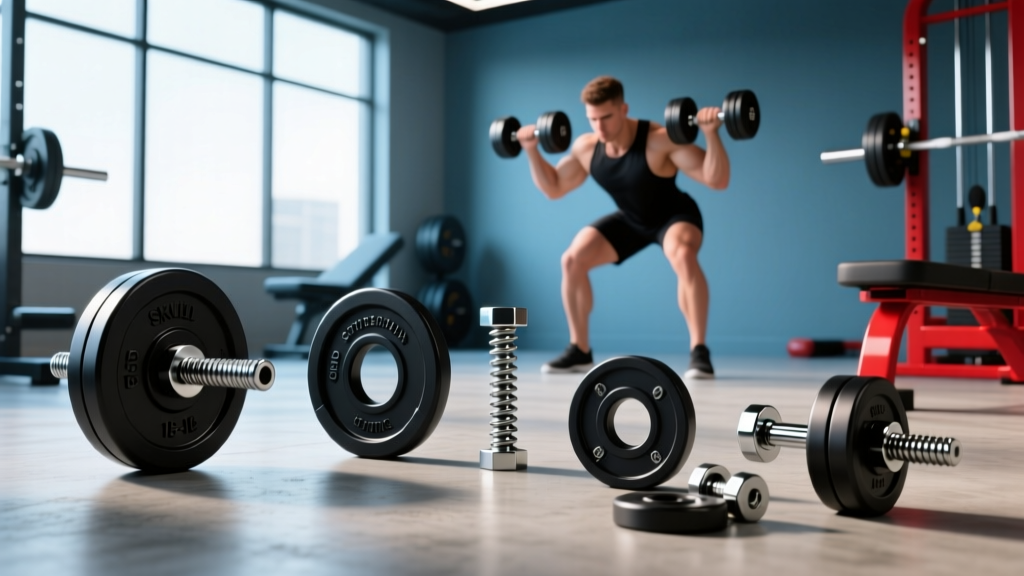
Barbell Collar Clamp Types & Dumbbell Skull Crusher Workout Safety
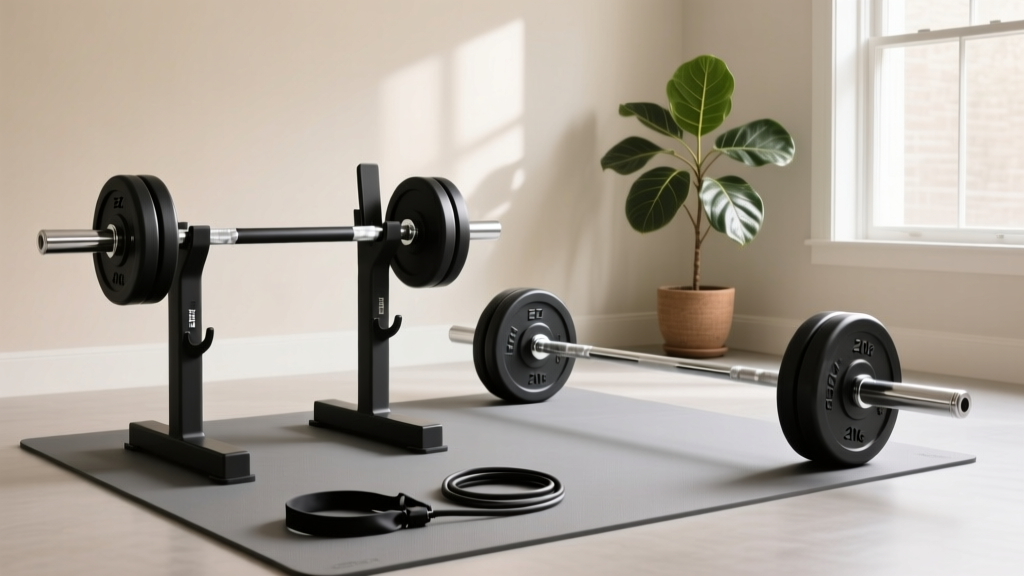
EZ Curl Bar vs Straight Bar: Beyond Light Dumbbell Exercises

Barbell Curl vs Dumbbell Curl: Dumbbell Rack Storage & Care

Master the Dumbbell Meadows Row: Home Gym Setup & Neoprene Weight Guide