Kettlebell Care for Women with Dumbbells: Cast Iron vs Competition
Maintenance and longevity tips for women with dumbbells adding kettlebells. Compare cast iron vs. competition care, rust prevention, and proper storage.

The Evolution: Why Women with Dumbbells Are Adding Kettlebells
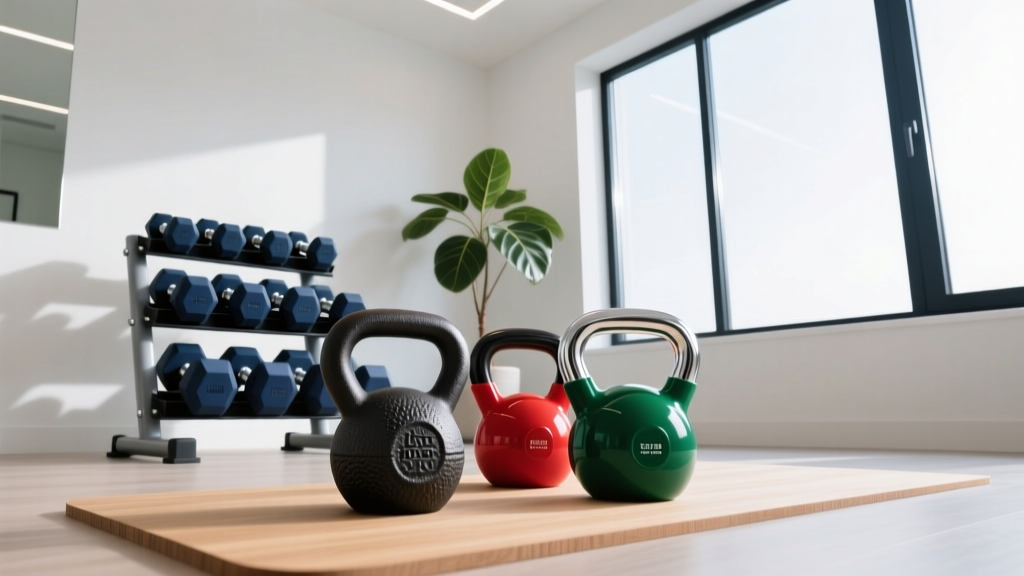
For many women with dumbbells, the home gym journey begins with adjustable or rubber hex dumbbells. They are fantastic for foundational strength, goblet squats, and strict presses. However, as training evolves toward ballistic movements—like swings, snatches, and Turkish get-ups—the fixed handle and offset center of mass of a dumbbell become limiting. This is where the kettlebell becomes indispensable.
But transitioning your equipment arsenal isn't just about learning new movement patterns; it requires a completely different approach to gear maintenance. While a rubber-coated dumbbell simply needs a quick wipe-down with a gym towel, kettlebells demand active, metallurgical care. If you are expanding your setup in 2026, understanding the maintenance divide between cast iron and competition kettlebells is critical to protecting your investment and your hands.
Cast Iron vs. Competition: A Maintenance Breakdown
Before diving into care routines, we must establish the structural differences that dictate how these tools age. According to comprehensive equipment analyses by BarBend, the manufacturing process fundamentally alters the failure points of each bell type.
| Feature | Cast Iron (Standard) | Competition (Steel) |
|---|---|---|
| Core Material | Solid cast iron or steel alloy | Hollow steel shell with fill (sand/iron) |
| Dimensions | Varies by weight (larger = heavier) | Uniform (35mm handle, identical bell size) |
| Primary Failure Mode | Oxidation (rust), enamel chipping | Shell denting, weld seam cracking |
| Handle Finish | Powder coat, e-coat, or bare steel | Bare polished steel or light zinc |
| Avg. 2026 Price | $1.60 - $2.20 / lb | $3.80 - $5.50 / lb |
| Maintenance Focus | Rust prevention and coating care | Dent prevention and chalk removal |
Cast Iron Kettlebell Longevity: Fighting Oxidation and Chips
Cast iron kettlebells, such as the highly rated Rogue Kettlebells or standard models from Kettlebell Kings, are the most common choice for home gyms. Because they are solid metal, they can take a beating against concrete floors without structural failure. However, their enemy is moisture.
Bare Steel and Powder Coat Care
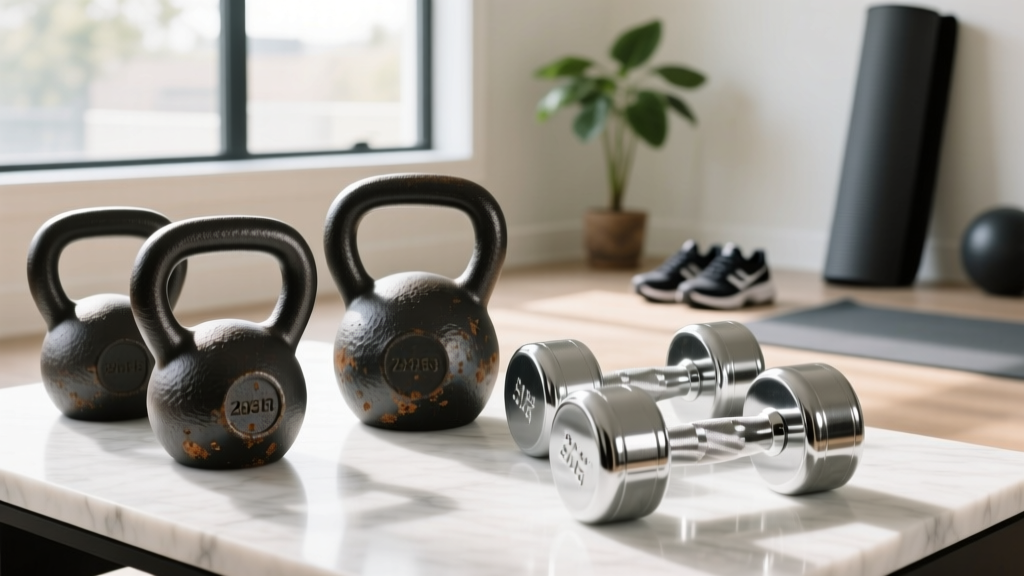
If you purchase bare steel or powder-coated cast iron bells, oxidation is inevitable in environments with humidity over 40%. Sweat is highly acidic and accelerates rust on the handle and the bell's base.
- The Cleaning Rule: Never leave sweat on a bare steel handle. After every session, wipe the handle with a microfiber cloth lightly dampened with water, then dry it immediately.
- Oiling Schedule: Once a month, apply a light coat of 3-IN-ONE Multi-Purpose Oil or Boeshield T-9 to the entire bell. Let it sit for 10 minutes, then buff it off. This creates a hydrophobic barrier that prevents flash rusting.
- Rust Removal: If orange spots appear, do not use a wire brush on powder-coated bells, as it will strip the finish. Instead, use a green Scotch-Brite pad with white vinegar to gently lift the oxidation, neutralize with baking soda, dry, and re-oil.
E-Coat and Enamel Vulnerabilities
E-coat (electrophoretic deposition) finishes, popularized by brands like Rogue, offer a smoother grip and excellent rust resistance. However, they are prone to chipping if slammed against other cast iron plates or dumbbells. Once the bare iron is exposed through a chip, rust will spread beneath the coating, causing it to flake off in sheets. Pro Tip: Store e-coat bells on a rubber mat or dedicated rack, never loosely piled in a metal bin with your hex dumbbells.
Competition Kettlebells: Preserving the Steel Shell
Competition kettlebells are engineered for precision. Whether you are buying Eleiko, Onnit, or Kettlebell Kings Competition models, you are paying for uniform dimensions. A 12kg competition bell is the exact same physical size as a 32kg bell. This makes them ideal for women transitioning from dumbbells, as the handle diameter (usually 33mm or 35mm) and the window size remain constant, allowing for consistent grip mechanics across all weights.
⚠ The Hollow Core Warning
Competition bells are not solid. They consist of a thin steel outer shell filled with sand, iron shot, or lead to achieve the target weight. Never drop a competition kettlebell on concrete or hard rubber. The impact will dent the thin steel shell. A dent on the base ruins the bell's ability to sit flat for renegade rows, while a dent on the bell body can alter the aerodynamics and balance during snatches.
Chalk Management on Smooth Steel
Women with dumbbells are often used to knurled handles that bite into the skin. Competition kettlebell handles are polished smooth to prevent tearing during high-rep ballistic work. To maintain grip, athletes use chalk. However, chalk buildup in the handle window creates a abrasive paste that causes friction burns.
- Use a stiff nylon bristle brush (not wire) to scrub the handle window after every chalk-heavy session.
- Once a week, wipe the handle with a 50/50 mix of water and isopropyl alcohol to dissolve deeply embedded chalk salts.
- Inspect the weld seam where the handle meets the bell. Chalk and moisture trapped here can accelerate localized corrosion on cheaper competition models.
The Grip Transition: Managing Calluses and Burrs
According to biomechanics resources like ExRx.net, the grip mechanics of a kettlebell swing require the bell to rotate within the hand, unlike a static dumbbell hold. This rotation generates immense friction.
Over time, even high-quality cast iron handles can develop microscopic 'burrs' or rough patches from contact with other equipment or aggressive cleaning. For women with dumbbells who have built up specific callus patterns from knurled bars, these kettlebell burrs will instantly tear the skin.
The Fix: Run your fingers lightly over the handle and the inner window. If you feel any snags, gently buff the area with 400-grit sandpaper or a fine diamond sharpening stone. Follow up with a piece of leather to burnish the steel back to a smooth finish. Do this quarterly to ensure the handle remains tear-free.
Your 15-Minute Monthly Maintenance Protocol
To maximize the lifespan of your free weights, implement this rapid monthly routine. It takes less time than a standard warm-up and ensures your gear survives for decades.
| Step | Action | Tools Required |
|---|---|---|
| 1. Inspect | Check for rust spots on cast iron; check for dents on competition bells. | Visual inspection, good lighting |
| 2. Clean | Scrub handle windows to remove chalk and dead skin buildup. | Nylon brush, isopropyl alcohol |
| 3. Smooth | Feel for burrs on the handle and bell shoulders; sand if necessary. | 400-grit sandpaper |
| 4. Protect | Apply a micro-thin layer of protective oil to cast iron bells. | Boeshield T-9 or 3-IN-ONE, microfiber cloth |
| 5. Base Check | Ensure flat bases are free of embedded gravel or rust scale that could scratch your floors. | Putty knife or stiff brush |
Storage Solutions to Maximize Lifespan
How you store your kettlebells is just as important as how you clean them. Women with dumbbells often utilize tiered dumbbell racks, but kettlebells require different spatial considerations.
- Avoid Concrete Contact: Never store cast iron or competition bells directly on a concrete garage floor. Concrete wicks moisture from the earth, guaranteeing flash rust on the base of your bells. Always use a 3/4-inch horse stall mat or a dedicated wooden platform.
- Vertical Rack vs. Horizontal Shelf: For competition bells, a vertical gravity rack is ideal as it prevents the bells from knocking against one another. For heavy cast iron bells (24kg+), heavy-duty horizontal steel shelves with UHMW plastic lining are recommended to prevent the iron from chipping the rack's paint.
- Climate Control: If your home gym is in an unconditioned garage or shed, invest in a dehumidifier. Keeping ambient humidity below 45% is the single most effective passive maintenance step you can take for bare steel and cast iron equipment.
“The transition from dumbbells to kettlebells is a shift from isolated stability to dynamic momentum. Your equipment maintenance must reflect that shift. A neglected dumbbell is just ugly; a neglected kettlebell is a hand-tearing hazard.”
Final Thoughts on Your Free Weight Arsenal
Integrating kettlebells into a dumbbell-focused routine unlocks incredible posterior chain development and cardiovascular conditioning. By understanding the distinct metallurgical needs of cast iron versus competition steel, you ensure that your gear remains safe, beautiful, and functional. Treat your kettlebells with the same respect you give to your training programming, and they will easily outlast your fitness journey.
More gear to consider
All reviews
Bumper vs Iron Plates & Chest Exercises with Dumbbells Only

Loadable Dumbbell Care for a Flawless 20 Minute Upper Body Dumbbell Workout

Clamp Comparison: Securing Your Glute Workout with Dumbbells

Prepping for a 100 lb Dumbbell Curl: Loadable Dumbbell Care

Best Neoprene Dumbbells for Standing Dumbbell Rotations