
Home Stair Climber Guide: Deer Run Treadmill Weight Limit Myths
Master home stair climber troubleshooting. Avoid common setup mistakes, understand weight capacities, and fix mechanical issues with our expert guide.

The Home Stair Climber Renaissance (and the Setup Mistakes Ruining It)
The home fitness landscape in 2026 has seen a massive shift toward vertical cardio. Stair climbers and stepper machines offer unparalleled glute activation and cardiovascular conditioning without the high-impact joint stress associated with road running. Premium models like the Bowflex Max Trainer M9 (retailing around $2,299) and budget-friendly alternatives like the Sunny Health & Fitness SF-E3912 (approximately $249) are flying off virtual shelves. However, as more consumers convert spare bedrooms and garages into vertical training zones, our repair technicians are seeing a spike in preventable mechanical failures and user errors.
This comprehensive stair climber machine for home use guide is designed to help you troubleshoot existing issues, optimize your biomechanics, and understand the structural engineering limits of your equipment. Whether you are using a mini-stepper or a full-sized stair climber, avoiding the following common mistakes will extend your machine's lifespan by years.
Weight Capacity Confusion: Stair Climbers vs. Treadmills
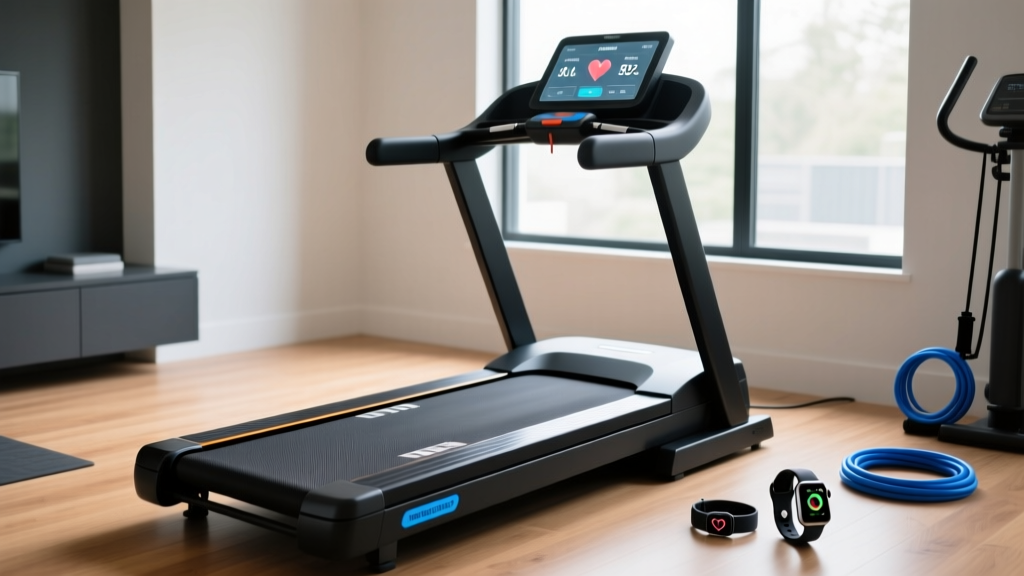
One of the most pervasive errors buyers make when outfitting a home gym is conflating the weight capacities of horizontal cardio machines with vertical ones. A frequent point of confusion in home gym forums revolves around cross-category weight tolerances. For example, when buyers investigate the deer run treadmill weight limit, they typically find a maximum user capacity of 220 to 265 pounds for their popular budget-friendly folding models and walking pads.
Because horizontal treadmills only require the deck to absorb vertical foot-strikes, the structural engineering is vastly different from a vertical stair climber. On a stair climber, the downward drive phase exerts a dynamic force equivalent to 2.5 to 3.5 times your body weight directly onto the pedal arm hinges and the central flywheel axle.
The Dynamic Load Warning
Never assume a stair climber can handle the same user weight as a similarly priced treadmill. If a user weighing 250 lbs attempts to use a budget mini-stepper rated for a static load of 220 lbs, the hydraulic cylinders will overheat, and the pivot bushings will fracture within 40 hours of use. Always look for the dynamic weight rating, not just the static frame limit, when purchasing vertical climbers.
Top Biomechanical Mistakes Destroying Your Machine
Improper form does not just rob you of caloric burn; it actively damages the machine's chassis and resistance mechanisms. According to research on aerobic exercise mechanics highlighted by the Mayo Clinic, maintaining proper posture and joint alignment is critical for both injury prevention and equipment longevity.
1. The 'Handrail Lean' (Ghost Stepping)
Leaning heavily on the console mast or handrails shifts up to 40% of your body weight off the pedals. This causes two major issues: first, it drastically reduces the cardiovascular and muscular benefits of the workout. Second, it creates an unnatural lateral torque on the console mast. Over time, this lateral sway loosens the mast's base bolts, leading to a wobbling console and eventual stripping of the aluminum threading.
The Fix: Keep your torso upright. Use the handrails only for balance, resting your fingertips lightly on the grips. If you cannot maintain a cadence of 60-80 steps per minute without leaning, lower the magnetic resistance level.
2. Shallow Stepping and Flywheel Jerking
Many users take rapid, shallow steps (only pressing the pedal down 2-3 inches). On magnetic resistance climbers, the flywheel requires a full rotational momentum to keep the belt engaged smoothly. Shallow stepping causes the drive belt to catch and release repeatedly, resulting in a jerky motion that prematurely wears down the belt teeth and strains the Hall effect sensor.
The Fix: Commit to a full range of motion. Press the pedal down until it is nearly parallel with the floor guard, and allow the opposite pedal to rise to its peak height before reversing the drive.
Mechanical Troubleshooting Matrix
When your stair climber starts acting up, do not immediately assume the motor or magnetic brake is dead. Most issues stem from minor calibration errors or lack of lubrication. Use this diagnostic matrix to identify and resolve common mechanical failures.
| Symptom | Probable Cause | Exact Fix & Tool Required |
|---|---|---|
| Loud squeaking from the pedal arm pivot | Dried out or missing lubrication on the bronze bushing. | Apply 100% PTFE (Teflon) spray lubricant. Never use WD-40, as it attracts dust and degrades nylon washers. |
| Console flickers or resistance drops out mid-stride | Hall effect sensor (RPM reader) is misaligned with the flywheel magnet. | Remove the side shroud. Adjust the sensor bracket so the gap between the sensor and magnet is exactly 2mm to 3mm. Use a 4mm Allen key. |
| Drive belt slips or 'thumps' under heavy load | Belt tension has relaxed due to thermal expansion and use. | Locate the idler pulley tensioner bolt. Tighten exactly 1/4 turn clockwise. Test for 1/2 inch of deflection when pressed. |
| Hydraulic cylinders overheat and lose resistance | Exceeding duty cycle or user weight limit; fluid degradation. | Cylinders cannot be repaired; they must be replaced. Order OEM replacements matched to your exact model number. |
2026 Preventative Maintenance Protocol
To avoid the failures listed above, implement this strict maintenance schedule. The Consumer Product Safety Commission (CPSC) regularly notes that poor maintenance and failure to inspect wear-parts are leading causes of home gym equipment injuries.
- Weekly: Wipe down the console mast and handrails with a mild, non-abrasive cleaner. Sweat contains high levels of sodium and lactic acid, which will rapidly corrode exposed steel bolts and degrade rubberized grips.
- Monthly: Inspect the pedal straps. The nylon webbing and plastic buckles endure immense shear force. If you notice fraying on the edges or micro-cracks in the buckle release lever, replace the straps immediately to prevent a foot-slip injury.
- Bi-Annually: Remove the plastic flywheel shrouds (usually requiring a Phillips-head screwdriver). Use a can of compressed air to blow out dust, pet hair, and skin cells that accumulate around the magnetic brake and optical sensors. Dust buildup acts as an insulator, causing the eddy-current brake to overheat and lose resistance accuracy.
- Annually: Check the floor leveling feet. Home foundations settle, and an unlevel stair climber will place uneven torsional stress on the mainframe welds. Use a standard carpenter's level across the pedal base and adjust the threaded rubber feet until the machine is perfectly flush.
Expert Verdict: Optimizing Your Vertical Training
A stair climber is one of the most efficient pieces of cardio equipment you can own, provided you respect its mechanical boundaries and your own biomechanics. By understanding the difference between horizontal treadmill limits and vertical dynamic loads, maintaining proper upright posture, and adhering to a strict PTFE-lubrication and sensor-cleaning schedule, your machine will deliver decades of high-ROI fitness results. Stop treating your vertical climber like a treadmill, and start treating it like the precision engineered athletic tool it is.
More gear to consider
All reviews
Treadmill, C2, or Spin? Mile-by-Mile Bike Maintenance Guide

Curved Treadmill vs Normal Treadmill: 2026 Buyer's Guide

Air Bike vs Assault Bike & NordicTrack Treadmill Dimensions
Treadmill Setup & Feature Guide: Prevent a Burning Smell

80i Fold Flat Treadmill by 3G Cardio: 2026 Buying Guide & Comparisons
