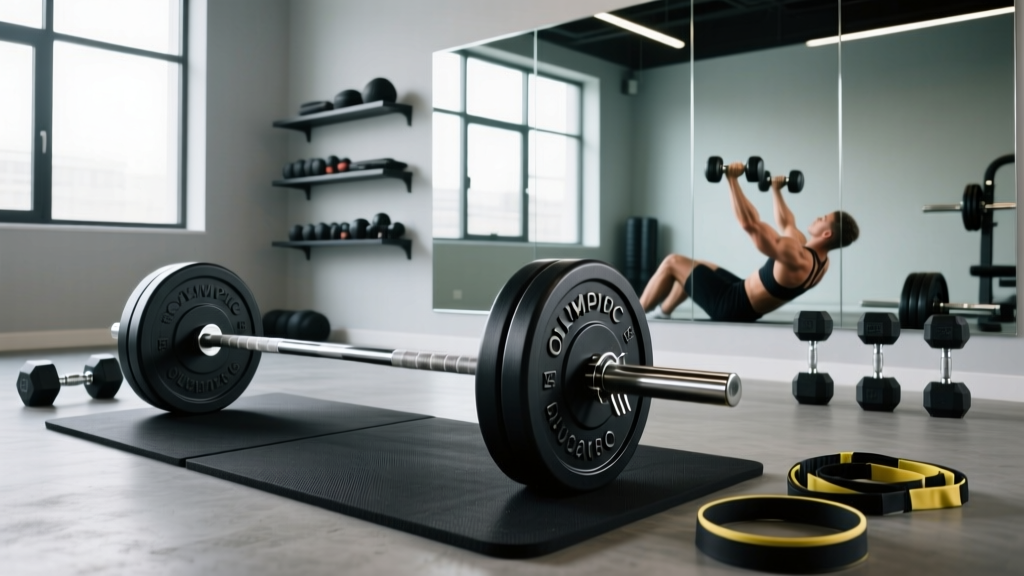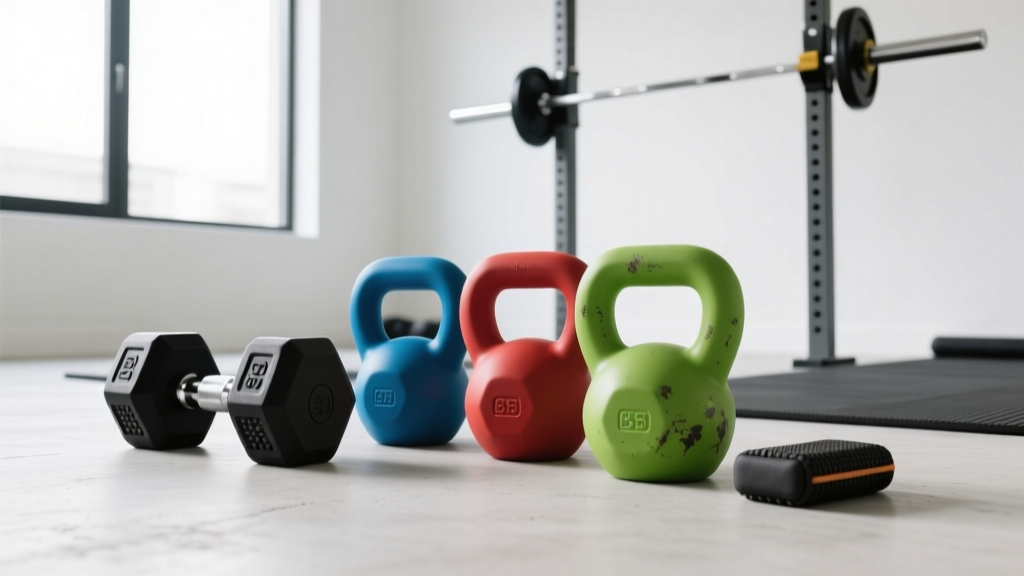
Rubber Hex vs Urethane Dumbbells: Costs & Dumbbell Grip Pads
Is the cheap rubber hex dumbbell really a budget win? We break down true costs, material lifespan, and the hidden expense of dumbbell grip pads.

The Sticker Price Illusion in Home Gym Building
When outfitting a home gym in 2026, the initial price tag of free weights often dictates purchasing decisions. For decades, the rubber-coated cast-iron hex dumbbell has been the undisputed king of budget-friendly fitness equipment. Conversely, premium urethane dumbbells are relegated to commercial facilities and high-end garage gyms. However, evaluating fitness equipment solely on upfront cost per pound is a critical financial error that ignores the total cost of ownership (TCO), material degradation, and the hidden ergonomic taxes—most notably, the recurring need for dumbbell grip pads to compensate for poor handle design.
In this comprehensive budget breakdown and value analysis, we dissect the true financial and biomechanical differences between rubber hex and urethane dumbbells. By factoring in accessory costs, replacement cycles, and grip fatigue, we reveal which option actually delivers the best long-term value for your training dollar.
Upfront Cost Breakdown: Rubber Hex vs. Urethane
To understand the value proposition, we must first establish the baseline market pricing for 2026. We will compare the industry-standard budget option (cast-iron hex with a rubber coating) against a premium commercial-grade urethane set.
| Cost Metric | Standard Rubber Hex (e.g., CAP Barbell) | Premium Urethane (e.g., Rogue / Rep Fitness) |
|---|---|---|
| Average Price Per Pound | $1.50 - $2.00 / lb | $3.50 - $4.50 / lb |
| Cost of a 50 lb Pair | $150 - $200 | $350 - $450 |
| Full Set (5-50 lbs, 5 lb increments) | $1,650 - $2,100 | $3,800 - $4,800 |
| Required Storage Rack | $120 - $180 (Basic Tier) | $250 - $400 (Heavy-Duty Tier) |
On paper, the rubber hex dumbbell appears to be the overwhelming victor for budget-conscious lifters, saving upwards of $2,000 on a full set. However, this upfront savings triggers a cascade of secondary expenses and training compromises that urethane simply does not demand.
The Ergonomic Tax: Handle Design and Grip Pads
The most overlooked variable in the dumbbell cost analysis is the handle shaft. Budget rubber hex dumbbells typically feature a rigid, straight, 30mm to 32mm steel shaft with aggressive, inconsistently machined knurling. While this design is cheap to manufacture, it creates severe biomechanical inefficiencies during high-volume hypertrophy training.
The Hidden Cost of Dumbbell Grip Pads
When performing high-rep sets of Romanian deadlifts, farmer's walks, or heavy dumbbell snatches, the unyielding, poorly contoured handle of a rubber hex dumbbell concentrates sheer force onto localized pressure points in the palm. This rapidly leads to callus tearing and grip fatigue. To mitigate this, lifters are forced to purchase dumbbell grip pads—typically made from 3mm to 5mm neoprene, silicone gel, or TPE.
⚠️ The Grip Pad Multiplier Effect:A quality pair of ergonomic dumbbell grip pads costs between $18 and $35. If you are doing supersets across multiple weight increments, you either need to constantly move the pads between dumbbells (wasting time and breaking your rest intervals) or buy multiple pairs. Over a year, replacing lost, sweaty, or degraded neoprene grip pads can add $50 to $100 in hidden accessory costs to your 'budget' dumbbell setup.
Conversely, premium urethane dumbbells, such as those available from Rogue Fitness, feature ergonomically tapered, 35mm shafts with medium-volcano knurling. This thicker, contoured shaft distributes the load evenly across the entire hand, drastically reducing localized pressure and grip fatigue. The superior handle design entirely eliminates the need for dumbbell grip pads, saving you money, time, and friction during your workouts.
Material Science: Degradation and the 5-Year Replacement Cycle
The term 'rubber' in budget dumbbells usually refers to vulcanized rubber mixed with carbon black and sulfur. While it provides adequate floor protection, it is highly susceptible to environmental degradation. According to materials engineering principles detailed in industrial polymer research, vulcanized rubber breaks down when exposed to UV light, ozone, and fluctuating temperatures.
Failure Modes of Rubber Hex Dumbbells
- Off-Gassing: Budget rubber emits volatile organic compounds (VOCs), resulting in a persistent 'burning tire' odor that can linger in poorly ventilated garage gyms for months.
- Ozone Cracking: After 3 to 5 years, the rubber heads begin to dry out, chalk, and develop micro-fissures, eventually crumbling onto your gym floor.
- Weld Snapping: To keep costs low, manufacturers often use friction welding or sub-par spot welding to attach the cast-iron heads to the steel shaft. Dropping a 70 lb rubber hex dumbbell during a fatigued set of lunges frequently results in a snapped weld, rendering the dumbbell useless and dangerous.
The Urethane Advantage
Polyurethane (PU) is a synthetic elastomer that offers vastly superior physical properties. It is completely odorless, UV-resistant, and boasts an abrasion resistance rating that outpaces vulcanized rubber by a factor of three. When you buy a urethane set from reputable brands featured on major fitness equipment retailers, you are purchasing a 'buy-it-for-life' asset. The heads are typically secured with high-tensile steel bolts or forged directly into the shaft, eliminating the catastrophic weld failure risk.
Total Cost of Ownership (TCO) Matrix: 5-Year Projection
To determine the true value, we must project the costs over a 5-year period of consistent, heavy use in a home gym environment. This matrix includes the initial purchase, necessary ergonomic accessories (like grip pads), and estimated maintenance/replacement costs.
| 5-Year Cost Factor | Rubber Hex Setup | Urethane Setup |
|---|---|---|
| Initial Dumbbell Set (5-50 lbs) | $1,800 | $4,200 |
| Dumbbell Grip Pads (Replacements) | $120 (3 pairs over 5 yrs) | $0 (Ergonomic shaft) |
| Chalk & Hand Care (Torn calluses) | $85 | $40 |
| Warranty Replacements / Broken Welds | $150 (Est. 2 broken DBs) | $0 (Lifetime warranties common) |
| 5-Year Total Cost | $2,155 | $4,240 |
| Resale Value (Year 5) | $400 (Degraded rubber) | $2,800 (High retention) |
| Net 5-Year Cost | $1,755 | $1,440 |
Expert Insight: When factoring in resale value, urethane dumbbells actually depreciate slower than rubber hex dumbbells. A well-maintained set of Rogue or Rep Fitness urethane dumbbells will retain 60-70% of its value on the secondary market, whereas degraded, smelly rubber hex sets often sell for pennies on the pound.
The Verdict: Matching the Equipment to the Lifter
The choice between rubber hex and urethane ultimately depends on your training age, budget liquidity, and biomechanical needs. Here is our 2026 buyer framework:
1. The Budget Beginner (Training Age: 0-2 Years)
Recommendation: Rubber Hex Dumbbells (with a caveat).
If your total equipment budget is under $1,000, rubber hex is still the most accessible entry point. However, you must budget an extra $30 for high-quality silicone dumbbell grip pads to protect your hands while you develop baseline grip strength and callus density. Keep them out of direct sunlight to delay rubber degradation.
2. The High-Volume Hypertrophy Lifter (Training Age: 3+ Years)
Recommendation: Urethane Dumbbells.
If your programming involves high-rep RDLs, heavy farmer's carries, and drop sets, the aggressive handles of budget hex dumbbells will bottleneck your training. The ergonomic 35mm shafts on urethane sets eliminate the need for dumbbell grip pads, allowing you to train to true muscular failure without your grip or hand skin giving out first.
3. The Commercial or Luxury Garage Gym
Recommendation: Urethane Dumbbells.
If multiple people are using the equipment, or if the gym is attached to your living space, the zero-odor and high-durability profile of urethane is non-negotiable. The aesthetic appeal and floor-safe drop ratings of premium urethane justify the premium price tag.
Frequently Asked Questions
Can I just use lifting straps instead of dumbbell grip pads?
Lifting straps are excellent for pulling movements like dumbbell rows or RDLs, but they are useless for pushing movements (like incline presses) or dynamic carries. Dumbbell grip pads offer universal friction and padding regardless of the exercise vector, making them a more versatile, albeit sometimes annoying, accessory for budget hex dumbbells.
Do urethane dumbbells ever need to be replaced?
Under normal home gym conditions, a high-quality urethane dumbbell set will easily outlast the lifter. The primary failure point is cosmetic scratching on the steel handles, but the urethane heads will not crack, melt, or off-gas like vulcanized rubber.
Is neoprene or silicone better for grip pads?
If you must buy grip pads for your rubber hex set, opt for silicone or TPE gel. Neoprene absorbs sweat, harbor bacteria, and develops a foul odor within a few months of heavy use. Silicone can be wiped clean with gym disinfectant and maintains its structural integrity far longer.
More gear to consider
All reviews
Cast Iron vs Competition Kettlebells & Dumbbell Shrugs Muscles Worked

Beyond the Best Workout with Dumbbells: Olympic Barbell Buying Guide

Kettlebells vs Dumbbell Exercises for Flabby Arms: Cast Iron Guide

EZ Bar vs Straight Bar: Is the Side Dumbbell Press Better?

Single-Arm Dumbbell Row Muscles Worked & EZ vs Straight Bar Layout