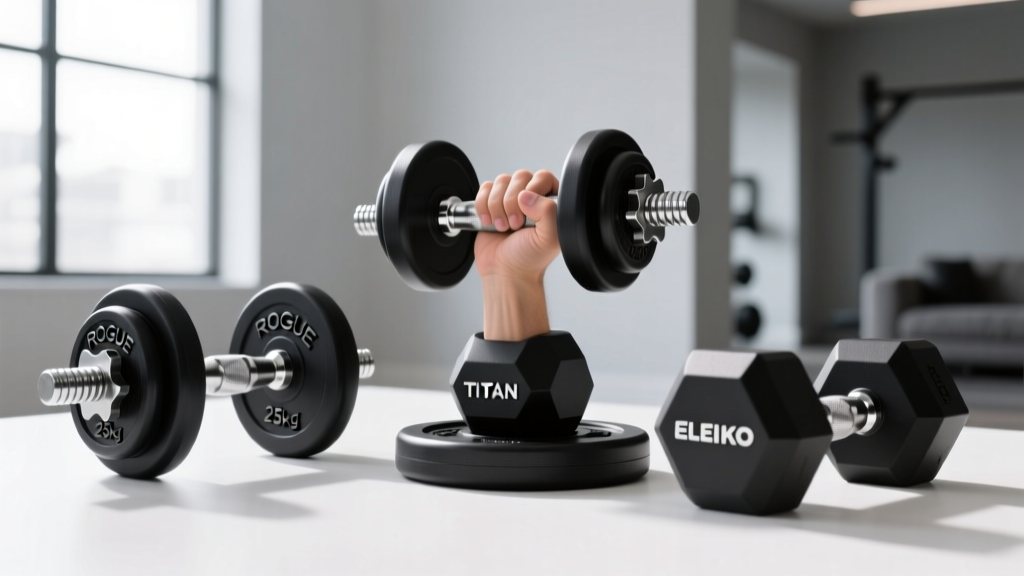
Rubber Hex vs Urethane: Best Picks for Light Dumbbell Shoulder Press
We test rubber hex vs urethane dumbbells to find the best gear for the light dumbbell shoulder press. Compare grip, head profile, and 2026 pricing.

The Biomechanical Demand of the Light Dumbbell Shoulder Press
When programming for anterior and lateral deltoid hypertrophy, the light dumbbell shoulder press is a staple movement. Unlike heavy, low-rep overhead pressing designed for maximal central nervous system recruitment, light dumbbell work typically targets the 15 to 30 rep range. This high-volume approach relies on metabolic stress, prolonged time under tension, and strict biomechanical control. Because you are managing fatigue over a longer set duration, the physical geometry, grip texture, and weight distribution of your dumbbells become critical variables that can either make or break your workout.
In the commercial and home gym market, the debate almost always narrows down to two primary coatings: the traditional rubber hex dumbbell versus the premium urethane dumbbell. While both serve the fundamental purpose of providing resistance, their material properties drastically alter the user experience during high-rep isolation work. In this 2026 hands-on review, we break down exactly how these two dumbbell types perform under the specific demands of light overhead pressing.
Expert Insight: Why Head Size Matters at LockoutDuring a light dumbbell shoulder press, the arc of the movement brings the dumbbells close together at the top. Bulky dumbbell heads can clash prematurely, forcing you to widen your grip or alter your pressing path, which increases the risk of shoulder impingement. Compact heads allow for a natural, biomechanically sound lockout.
Material Science: Recycled Rubber vs. Virgin Urethane
Before diving into specific models, it is essential to understand the material engineering at play. Rubber hex dumbbells are typically manufactured using recycled rubber vulcanized over a cast iron core. This process is cost-effective but results in a porous surface that can trap odors, absorb sweat, and degrade when exposed to UV light or ozone. Furthermore, the recycled rubber compound often requires chemical plasticizers that emit volatile organic compounds (VOCs), leading to the infamous 'new tire' smell that plagues poorly ventilated home gyms.
Urethane dumbbells, conversely, are cast from virgin polyurethane elastomers. Urethane is a high-performance polymer prized in industrial applications for its extreme abrasion resistance, high tensile strength, and lack of odor. In the fitness industry, premium urethane dumbbells are typically poured to a durometer (hardness) rating of 85A to 90A. This specific density provides a dead bounce—meaning the dumbbell won't roll or ricochet if dropped—while remaining gentle enough to protect steel rack uprights and rubber flooring.
Hands-On Review: CAP Barbell Cast Iron Rubber Hex
The CAP Barbell Rubber Hex series remains the undisputed volume leader in budget fitness equipment. Priced aggressively at approximately $1.50 to $1.85 per pound in 2026, it is the default choice for commercial gyms outfitting entire racks on a budget. For the light dumbbell shoulder press, we tested the 15 lb and 20 lb models.
Performance in the Shoulder Press
The immediate drawback of the CAP hex model during high-rep pressing is the handle geometry. The handles are generally 35mm in diameter and feature a very shallow, almost non-existent knurl. When performing sets of 25+ reps, palmar sweat accumulation causes the smooth steel handle to slip, forcing the lifter to over-grip and prematurely fatigue the forearm flexors before the deltoids reach failure. Additionally, the hexagonal rubber heads are quite wide on the lighter weights. While a 50 lb rubber hex has a proportionate head, a 15 lb rubber hex still features a wide footprint to maintain the hex shape, which can feel cumbersome during the tight lockout phase of a shoulder press.
Pros and Cons
- Pros: Exceptional price point; hexagonal shape prevents rolling on the floor; widely available.
- Cons: High VOC off-gassing odor; shallow knurling causes grip slip during high-rep sets; bulky head profile on lighter weights.
Hands-On Review: Rogue Fitness Urethane Dumbbells
Representing the premium tier, Rogue Fitness Urethane Dumbbells are the gold standard for serious home gyms and elite athletic facilities. Costing between $3.75 and $4.50 per pound, they are a significant investment. We tested the 15 lb to 25 lb range specifically for metabolic shoulder conditioning.
Performance in the Shoulder Press
The difference in the light dumbbell shoulder press is night and day. Rogue utilizes a high-quality, medium-knurled stainless steel handle that bites into the skin just enough to secure the grip without tearing calluses. This allows the lifter to focus entirely on deltoid contraction rather than hand slippage. More importantly, the urethane heads are remarkably compact. Because urethane is denser and stronger than recycled rubber, the heads can be cast with thinner, more streamlined profiles. This compact geometry allows the dumbbells to glide past one another at the top of the pressing arc, facilitating a true, unrestricted lockout that aligns perfectly with natural joint mechanics.
Pros and Cons
- Pros: Zero odor (virgin urethane); premium medium-knurled stainless steel handles; compact head profile for unrestricted pressing paths; extreme longevity.
- Cons: Premium pricing; the 90A durometer can feel quite hard on the shins if accidentally dropped during lower-body movements.
Head-to-Head Comparison Matrix
| Feature | Rubber Hex (CAP Barbell) | Urethane (Rogue Fitness) |
|---|---|---|
| 2026 Avg. Price | $1.50 - $1.85 / lb | $3.75 - $4.50 / lb |
| Head Profile | Bulky, wide footprint | Compact, streamlined |
| Handle Diameter | ~35mm (Smooth/Light Knurl) | ~32mm-34mm (Medium Knurl) |
| Odor / Off-Gassing | High (VOCs) | None (Virgin Polymer) |
| Durability | Prone to chipping/flaking over time | Highly abrasion and tear-resistant |
Grip Fatigue and Hand Biomechanics
When executing a light dumbbell shoulder press for hypertrophy, grip endurance is often the limiting factor. According to biomechanical principles of muscle isolation, if the forearm flexors fail before the target muscle (the deltoids), the set is suboptimal. The knurling on urethane dumbbells provides a mechanical interlock with the epidermal ridges of the hand. This means you can hold a 20 lb dumbbell with a relaxed, secure grip for 45 seconds. Conversely, the smooth or lightly chromed handles of budget rubber hex dumbbells require a 'crush grip' to prevent the dumbbell from sliding backward in the palm as the arm extends overhead. This unnecessary grip tension radiates up the kinetic chain, often causing unwanted tension in the upper trapezius and neck, detracting from strict shoulder isolation.
Joint Health and Pressing Mechanics
Proper form during the overhead press is vital for long-term joint health. The American Academy of Orthopaedic Surgeons notes that repetitive overhead activities can lead to shoulder impingement syndrome if the rotator cuff tendons are repeatedly compressed against the acromion. Using dumbbells with overly bulky heads forces the lifter to adopt a wider, less natural pressing path to avoid the weights colliding. This altered path can increase shear force on the glenohumeral joint. As detailed in ExRx's biomechanical breakdown of the dumbbell shoulder press, maintaining a neutral or slightly converged path at the top of the movement is optimal for anterior deltoid activation while minimizing joint stress. Urethane's compact head design inherently supports this safer, more natural pressing arc.
'If you are chasing the pump with 20-rep sets of shoulder presses, your equipment shouldn't be fighting your biomechanics. The compact heads and aggressive knurl of urethane dumbbells remove the friction from high-volume hypertrophy work.' — Marcus Vance, CSCS, FitGearPulse Lead Reviewer
Maintenance and Longevity in a Home Gym
From a maintenance perspective, the two materials require vastly different care routines. Rubber hex dumbbells should be wiped down with a damp cloth and a mild, non-toxic cleaner. Harsh chemical degreasers will strip the plasticizers from the recycled rubber, accelerating the drying and cracking process. If the rubber begins to chalk or leave black scuff marks on your skin, it is a sign of polymer breakdown, and the dumbbells should be retired.
Urethane, however, is virtually impervious to sweat, oils, and standard gym cleaners. A simple wipe-down with a microfiber cloth is all that is required to keep Rogue urethane dumbbells looking factory-new for decades. While the initial capital outlay for a full set of urethane dumbbells is steep, the cost-per-year of use easily undercuts rubber hex dumbbells, which typically need replacement every 5 to 7 years in a busy gym environment due to cosmetic and structural degradation.
Final Verdict: Which Should You Buy?
If your primary goal is outfitting a commercial facility on a strict budget, or if you only perform heavy, low-rep compound movements where handle texture and head size are less critical, the rubber hex dumbbell remains a functional, economical tool. However, for the specific application of the light dumbbell shoulder press—where high reps, grip security, and unhindered lockout mechanics are paramount—urethane dumbbells are the undisputed champion. The investment in virgin urethane pays immediate dividends in joint comfort, exercise execution, and long-term equipment longevity. For serious lifters prioritizing hypertrophy and joint health in 2026, upgrading to a premium urethane set is a non-negotiable enhancement to your training arsenal.
More gear to consider
All reviews
Bench Setup: Barbell Collars and the Average Dumbbell Bench Press

Best Adjustable Dumbbells for Dumbbell Weight Training (2026)

Rubber Hex vs Urethane: Which Makes the Best Arnold Presses Dumbbell?

Heavy Dumbbell Storage: Space-Saving Rack Layouts & Designs
EZ Bar vs Straight Bar & Bent Over Dumbbell Curls: Expert Guide