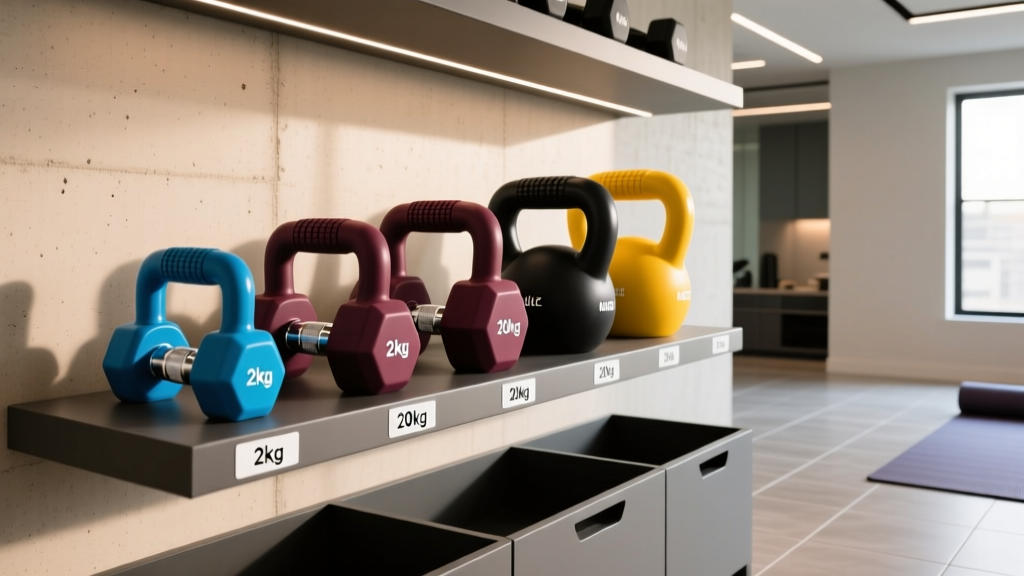
Loadable Dumbbell Care: Exercise for Flabby Arms with Dumbbells
Master loadable dumbbell maintenance for high-rep arm workouts. Learn sleeve lubrication, collar care, and rust prevention for interchangeable plates.

The Hidden Toll of High-Rep Arm Toning on Loadable Gear
When designing an effective exercise for flabby arms with dumbbells, fitness enthusiasts typically rely on high-repetition, low-to-moderate weight isolation movements. Exercises like tricep kickbacks, overhead extensions, and lateral raises demand muscular endurance, meaning you are likely performing sets in the 15 to 25 rep range. According to guidelines from the American College of Sports Medicine (ACSM), this high-volume approach is highly effective for muscular endurance and localized hypertrophy. However, this specific training style places a unique, often overlooked mechanical and chemical toll on your equipment.
Unlike heavy powerlifting where a barbell is loaded once and left alone, an exercise for flabby arms with dumbbells demands frequent weight adjustments. Drop sets, rest-pause sets, and rapid transitions between bicep and tricep movements mean you are constantly swapping interchangeable plates on your loadable dumbbell handles. This rapid swapping accelerates wear on the sleeves, strips the threads on spin-lock collars, and exposes the bare steel knurling to an excessive amount of acidic sweat. If you are utilizing premium loadable dumbbells with interchangeable plates—such as the Rogue Loadable Dumbbell Handles ($115 per pair) or the Titan Fitness Olympic Loadable Handles ($89.99)—neglecting maintenance will quickly degrade a $200+ investment into a rusty, seized, and unsafe liability.
The Chemistry of Sweat and Steel
Human sweat is not just water; it is a saline solution with a pH ranging from 4.0 to 6.5, making it mildly to moderately acidic. During high-rep arm workouts, your forearms and hands sweat profusely, transferring this acidic moisture directly into the micro-grooves of your dumbbell knurling. Without immediate neutralization and lubrication, this triggers oxidation (rust) within 48 hours, permanently pitting the steel and ruining the grip texture.
Anatomy of Wear: Where Loadable Handles Actually Fail
To properly maintain loadable dumbbells with interchangeable plates, you must understand the specific failure points inherent to their design. The National Strength and Conditioning Association (NSCA) emphasizes that equipment longevity is directly tied to understanding mechanical stress points. Here is where your gear degrades fastest:
1. The Sleeve and Bushing Interface
The sleeve is the cylindrical shaft where your interchangeable plates slide. High-quality loadable handles use bronze bushings or needle bearings to allow the sleeve to rotate independently of the handle, reducing rotational inertia during exercises like dumbbell curls. When you rapidly slide cast-iron or urethane plates on and off during drop sets, microscopic metal shavings and gym dust accumulate inside the sleeve gap. Over time, this creates an abrasive paste that seizes the bushing, resulting in a dumbbell that no longer spins smoothly, placing undue torque on your wrists during arm exercises.
2. Knurling Degradation and Pitting
The knurling on a loadable handle is machine-cut into the steel to provide grip. Bare steel and black oxide finishes offer the best grip but are highly susceptible to corrosion. Rubber-coated or urethane-coated handles resist rust but can become slippery when wet with sweat. The aggressive grip required for heavy tricep extensions forces your hands deep into the knurling, packing dead skin, chalk, and sweat into the valleys of the pattern.
3. Collar Thread Stripping
If your loadable dumbbells use traditional spin-lock collars, the Acme threads are highly vulnerable to cross-threading. When you are fatigued halfway through an intense arm-toning circuit and rush to thread the collar back onto the sleeve at a slight angle, you strip the lead thread. Once the lead thread is compromised, the collar will perpetually bind, making plate changes frustrating and dangerous.
Step-by-Step Maintenance Protocol for Interchangeable Handles
Implement this bi-weekly maintenance routine to ensure your loadable dumbbells survive years of high-volume arm training. This protocol takes less than 10 minutes per pair.
- The Dry Brush Out: Never apply liquid cleaners or oils directly to a dirty handle. Use a stiff nylon-bristle brush (avoid wire brushes, which strip black oxide and zinc coatings) to aggressively scrub the knurling in multiple directions. This dislodges dried sweat, chalk, and dead skin.
- The Solvent Wipe: Lightly mist a microfiber cloth with a 50/50 mix of isopropyl alcohol and water. Wipe down the entire shaft and the loading sleeve to neutralize the acidic sweat residue. Do not spray liquid directly onto the dumbbell, as it can seep into the bushing cavity.
- Bushing Lubrication: Apply exactly two drops of a low-viscosity, dry PTFE (Teflon) lubricant or a specialized synthetic bearing oil (like Super Lube 51004) to the seam where the sleeve meets the handle shaft. Rotate the sleeve for 30 seconds to work the oil into the bronze bushings. Never use standard WD-40 or thick greases, as they attract gym dust and create a grinding sludge.
- Thread Protection: For spin-lock collars, use a dry graphite powder or a silicone-based thread lubricant. Apply a tiny amount to the sleeve threads and spin the collar on and off three times to distribute it evenly.
Collar and Plate Swapping Mechanics
The type of collar your loadable dumbbell utilizes dictates its specific maintenance needs and common failure modes. When performing an exercise for flabby arms with dumbbells, you want collars that are fast to adjust but secure enough to prevent plates from sliding during overhead movements.
| Collar Type | Mechanism | Common Failure Mode | Maintenance Action |
|---|---|---|---|
| Spin-Lock | Threaded Acme Nut | Cross-threading, seized nuts due to rust | Dry graphite lube on threads; inspect lead thread for burrs |
| Spring Clip | Tension Steel Wire | Loss of tension, micro-fractures at the bend | Wipe clean; replace every 12 months regardless of use |
| Lever / Clamp | Cam-action Polymer/Aluminum | Cam wear, plastic cracking, slipping on sleeve | Silicone spray on pivot hinge; tighten tension bolt with Allen key |
Interchangeable Plate Care
Do not neglect the plates themselves. If you are using traditional cast-iron plates, the center holes can develop rust rings that will scrape against your dumbbell sleeves, accelerating bushing wear. Wipe the center holes of your cast-iron plates with a lightly oiled rag monthly. If you use premium urethane plates (like Rep Fitness Urethane Grip Plates, averaging $2.50 to $3.50 per pound), keep them out of direct sunlight. UV exposure causes urethane to undergo photo-degradation, leading to chalking, fading, and eventual brittleness over a 3-to-5-year period.
Troubleshooting Edge Cases and Failure Modes
Even with meticulous care, loadable dumbbells subjected to high-rep arm routines will occasionally present mechanical quirks. Here is how to troubleshoot the most common edge cases:
- Sleeve Rattle and Play: If your loadable handle develops a lateral 'rattle' when you shake it, the internal retaining ring or snap ring has likely unseated or worn down. This is common in budget handles (under $60) where tolerances are loose. You can temporarily fix this by wrapping a single layer of high-quality plumber's Teflon tape around the inner sleeve groove before re-seating the snap ring.
- Stuck Spin-Lock Collars: If a collar is seized due to sweat corrosion, do not use a pipe wrench, which will crush the collar. Instead, soak the threaded junction in a penetrating catalyst like PB Blaster or Liquid Wrench for 24 hours. Tap the collar gently with a rubber mallet to break the rust bond, then slowly work it off.
- Knurling 'Hot Spots': If specific areas of the handle feel unusually smooth or sharp, it is likely due to uneven wear from repetitive grip placement during specific exercises. Use a fine-grit diamond hone (600 grit) to lightly deburr any sharp edges, restoring a uniform feel without removing the structural integrity of the knurl pattern.
Expert Insight: 'The longevity of a loadable dumbbell is rarely determined by the weight it holds, but by the environment it lives in. A $120 Rogue handle left on a humid garage floor will fail faster than a $40 Amazon generic handle kept in a climate-controlled bedroom and wiped down after every tricep extension.'
Final Thoughts on Gear Longevity
Committing to a targeted exercise for flabby arms with dumbbells is a fantastic step toward your physique goals, but it requires a paradigm shift in how you view your equipment. Loadable dumbbells with interchangeable plates offer unmatched versatility and cost-efficiency compared to massive fixed-weight dumbbell racks, but they demand active participation in their upkeep. By understanding the chemical impact of sweat, the mechanical stress of rapid plate swapping, and the precise lubrication needs of your bushings and collars, you can ensure your gear remains safe, smooth, and effective for thousands of workouts to come. Treat your equipment with the same discipline you apply to your training, and it will never fail you when you are deep in the burn of your final set.
More gear to consider
All reviews
Best Adjustable Dumbbells for Two Arm Dumbbell Row: 2026 Review
Beyond Dumbbell Snatch Benefits: Beginner's Guide to Barbell Collars
Love Handles Exercises with Dumbbells vs. Kettlebells: Cast Iron Value Guide

EZ Curl vs Straight Bar: Space Tips & Lunges with Dumbbells Benefits

Rubber Hex vs Urethane Dumbbells: Testing 5 Below Dumbbells