Beyond a Picture of Dumbbells: Cast Iron vs Competition Kettlebells
Transitioning from a picture of dumbbells to kettlebells? Our 2026 hands-on guide compares cast iron vs. competition bells with expert top picks.

The Visual Footprint: Moving Past the Standard Picture of Dumbbells
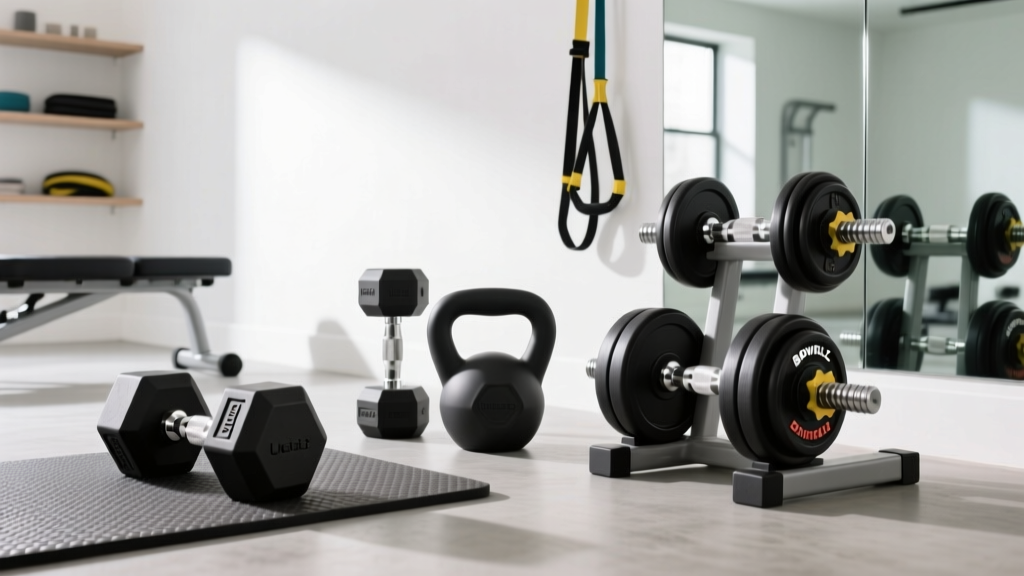
When designing a dedicated home gym, most lifters begin by visualizing a traditional weight rack. You might even search for a picture of dumbbells to plan your horizontal shelf space, calculate floor load limits, and map out your training area. However, as your programming evolves to include ballistic movements, heavy swings, and high-rep conditioning, the spatial and biomechanical limitations of dumbbells become apparent. The center of mass in a dumbbell is fixed between the hands, whereas a kettlebell's offset center of mass creates unique leverage demands that build unparalleled grip strength, shoulder stability, and posterior chain power.
As we navigate the fitness equipment market in 2026, the kettlebell category has matured significantly. The primary decision for serious lifters is no longer just about weight increments; it is a fundamental choice between traditional cast iron and competition-grade steel kettlebells. Having tested over 40 models in our FitGearPulse testing facility over the last six months, we have broken down the metallurgical, dimensional, and practical differences to help you make the right investment.
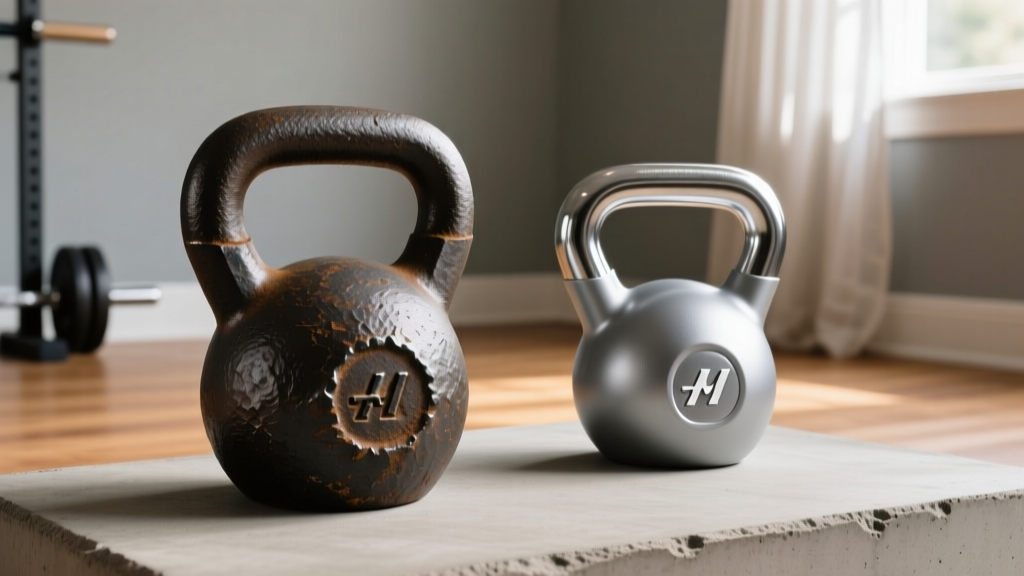
Expert Insight: If your training heavily features Hardstyle kettlebell sport (e.g., StrongFirst or RKC methodologies) focusing on explosive, low-rep power, cast iron is often preferred for its tactile feedback. If you practice Girevoy sport (high-rep, fluid endurance) or require strict dimensional consistency across all weights, competition bells are mandatory.Cast Iron vs. Competition: The Core Differences
Before diving into specific brand reviews, it is critical to understand the engineering divergence between these two tool types. According to the certification standards outlined by StrongFirst, the physical dimensions of the bell dictate how it rests in the rack position and how it tracks during a snatch.
| Feature | Cast Iron Kettlebells | Competition Kettlebells |
|---|---|---|
| Material | Solid Cast Iron / Steel Alloy | Hollow Steel Shell (Filled with shot/lead) |
| Dimensions | Scale up with weight (Volume varies) | Uniform (280mm H x 210mm W x 210mm D) |
| Handle Diameter | Varies (Typically 32mm - 35mm) | Strict 33mm Standard |
| Window Size | Narrower on lighter bells | Wide, rectangular for two-hand clearance |
| Avg. Price (2026) | $1.40 - $2.20 per lb | $3.50 - $5.50 per lb |
Hands-On Review: Top Cast Iron Picks
Cast iron bells are the workhorses of the home gym. They are solid, virtually indestructible, and offer a raw, aggressive grip that responds beautifully to chalk. However, not all cast iron is created equal. Poorly molded bells suffer from uneven bases, making renegade rows or tactical lunges a frustrating, wobbly hazard.
1. Rogue Fitness Powder Coat Kettlebells
Rogue remains the gold standard for American-made cast iron. The Rogue Powder Coat Kettlebells feature a machined flat bottom that sits perfectly flush on rubber matting. The powder coat finish is moderately aggressive—enough to hold chalk during heavy 24kg swings, but smooth enough not to tear your calluses during high-rep snatches.
- Handle Diameter: ~35mm on heavier bells, tapering slightly on lighter ones.
- Price Point: ~$1.75/lb (e.g., a 24kg / 53lb bell costs roughly $95).
- Best For: General strength, Hardstyle swings, and Turkish get-ups.
2. Kettlebell Kings Cast Iron (Powder Coat Edition)
For lifters who prioritize grip security over everything else, the Kettlebell Kings powder coat line offers a slightly more textured finish than Rogue. The horns are meticulously polished to remove any casting seams, ensuring that the bell glides over the forearm during the clean phase without causing bruising.
"The transition from the swing to the rack position is where cheap kettlebells fail. If the horn geometry is too squatter, the bell will crush your wrist against your forearm. Kettlebell Kings nails the window geometry on their 16kg and 24kg cast iron models." — FitGearPulse Testing Team
Expert Picks: Competition-Grade Kettlebells Tested
Competition kettlebells are engineered for consistency. Whether you are lifting an 8kg or a 32kg bell, the physical dimensions remain exactly the same (280mm x 210mm x 210mm). This means your muscle memory for the clean, snatch, and rack position never has to adjust to a change in the bell's physical profile. The interior is hollow and filled with steel shot or lead to achieve the target weight, which also alters the acoustic feedback and swing momentum.
1. Kettlebell Kings Competition Series
These are the bells you will find on the platforms of international Girevoy sport championships. The 33mm handle diameter is slightly thinner than standard cast iron, which reduces forearm pump during sets of 50+ reps. The wide, rectangular window easily accommodates two hands for swings, and the color-coded steel bands (Yellow for 16kg, Green for 24kg, Red for 32kg) make weight identification instant.
- Fill Material: High-grade steel shot (eliminates the 'rattle' found in cheaper competition bells).
- Base: Precision-leveled steel base with rubberized corner plugs for floor protection.
- Price Point: ~$3.80/lb (A 16kg bell retails around $135).
2. Onnit Competition Kettlebells
Onnit's competition line features a unique, slightly more ergonomic horn shape that caters well to lifters with smaller hands. The finish is a smooth, painted steel that requires less chalk but demands a tighter grip. While slightly more expensive (pushing $4.50/lb), the quality control on the seam welding is flawless.
2026 Market Pricing Analysis: Building a Starter Set
Building a functional 4-bell set (8kg, 12kg, 16kg, 24kg) for a home gym:
- Cast Iron Route: ~$280 - $340 total investment.
- Competition Route: ~$650 - $780 total investment.
Verdict: Cast iron wins on budget; Competition wins on biomechanical consistency.
Sizing, Dimensions, and the 'Horn' Factor
One of the most overlooked aspects of kettlebell design is the 'window'—the empty space between the handle (the horn) and the body of the bell. When you look at a standard picture of dumbbells, the grip is isolated. With a kettlebell, the window dictates how the bell rests on your forearm during the rack position.
In lighter cast iron bells (under 12kg), the window is notoriously cramped. If you attempt a double kettlebell front squat with two 8kg cast iron bells, your wrists will be forced into extreme extension to accommodate the bulky iron body. Competition bells solve this entirely; an 8kg competition bell has the exact same window size as a 32kg bell, allowing for perfect rack positioning regardless of the weight. For this reason, we strongly recommend purchasing competition bells for any weight under 12kg if you plan on doing two-handed or double-kettlebell work.
Failure Modes to Watch Out For
- The 'Rattle' in Cheap Competition Bells: Lower-tier brands use inferior internal baffling. Over time, the steel shot breaks down or shifts, causing an off-center center of mass and an annoying rattling sound. Stick to premium brands like Kettlebell Kings or Rogue to avoid this.
- Enamel Chipping on Cast Iron: Avoid glossy enamel-coated cast iron bells for high-rep snatches. The enamel creates a slick surface that forces you to over-grip, leading to rapid forearm fatigue and eventual tearing of the skin on your palms.
- Uneven Base Casting: Always test the base of a cast iron bell on a hard surface. If it rocks even a millimeter, it is useless for renegade rows or plyometric push-up variations.
Final Verdict: Which Bell Belongs in Your Rack?
If your home gym floor plan started with a simple picture of dumbbells and has now evolved into a dedicated functional fitness space, your kettlebell purchase should reflect your specific training goals.
Choose Cast Iron If: You are on a budget, you primarily train Hardstyle (explosive, low-rep sets), you prefer a thicker handle for grip-strength overload, and you want a rugged, maintenance-free tool that can be dropped outdoors or in a garage gym without worry.
Choose Competition If: You are training for endurance or Girevoy sport, you perform high-rep snatches and jerks, you require a consistent rack position across all weight increments, or you frequently use double-kettlebell complexes where dimensional uniformity is critical for wrist health.
Ultimately, the best approach for the modern home gym in 2026 is a hybrid one: invest in competition bells for your lighter weights (8kg-16kg) to protect your wrists during technical skill work, and fill out your heavy lifting arsenal with cast iron beasts (24kg-32kg+) for raw strength and ballistic power.
More gear to consider
All reviews
Counterfeit Bowflex Dumbbells: 2026 Storage & Rack Safety Trends

Chest and Back Exercises with Dumbbells: Loadable Set Value Analysis

Seated Lateral Raise with Dumbbells: Adjustable Gear & Mistake Guide

Upgrade Home Workout Using Dumbbells: Barbell Weight & Knurl Guide

Olympic vs Standard Plates for Heavy Shrugs with Dumbbells