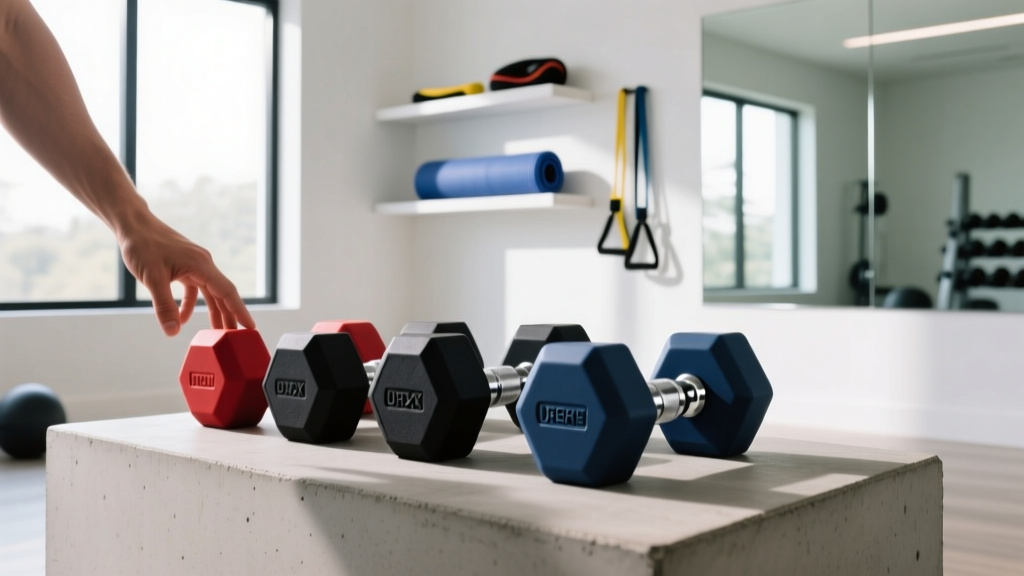
Pectoral Workout With Dumbbells: Rubber Hex vs Urethane Care Guide
Discover how to maintain rubber hex and urethane dumbbells for longevity. Expert care tips to protect your gear during every heavy pectoral workout.

The Unique Stressors of a Pectoral Workout With Dumbbells
When you finish a grueling pectoral workout with dumbbells, the last thing on your mind is equipment maintenance. However, heavy chest training introduces specific, aggressive stressors to your free weights that accelerate wear and tear. Movements like heavy dumbbell bench presses, chest flyes, and drop sets subject dumbbells to high-impact drops, severe rotational torque, and continuous exposure to highly acidic human sweat.
Human sweat has a pH level ranging from 4.0 to 6.8. When this acidic moisture pools on dumbbell handles and seeps into the microscopic pores of the weight heads, it initiates a rapid degradation process. The debate between rubber hex dumbbell vs urethane dumbbell longevity hinges entirely on how these two distinct elastomers respond to this exact environment. Understanding the material science and implementing a targeted maintenance protocol is the difference between replacing your gear every two years or passing it down to the next generation.
Material Science: Rubber Hex vs. Urethane
Before diving into cleaning protocols, we must establish the baseline durability of both materials. Rubber (specifically styrene-butadiene or recycled crumb rubber used in budget hex dumbbells) and polyurethane (urethane) react entirely differently to the mechanical and chemical stress of a home or commercial gym.
| Material Property | Virgin Rubber (Hex) | Cast Urethane |
|---|---|---|
| Shore A Hardness | 70A - 80A (Softer, prone to gouging) | 85A - 92A (Dense, highly impact-resistant) |
| Sweat / Acid Resistance | Moderate (Degrades and becomes sticky over time) | Exceptional (Non-porous, chemically inert) |
| UV & Ozone Resistance | Poor (Dry-rots and cracks near windows) | Excellent (Formulated with UV inhibitors) |
| Drop Tolerance (from 4ft) | Moderate (Hex corners chip and tear) | High (Absorbs and disperses kinetic energy) |
| Avg. Cost Per Pound (2026) | $1.50 - $2.20 / lb | $3.50 - $5.00 / lb |
As highlighted by experts at Garage Gym Reviews, the initial savings of rubber hex dumbbells are frequently offset by their shorter lifespan in high-humidity or high-usage environments, making urethane the undisputed king of longevity.
Rubber Hex Dumbbells: Failure Modes and Preventative Care
Rubber hex dumbbells, such as the ubiquitous CAP Barbell Cast Iron Hex series, are the workhorses of budget home gyms. However, their hexagonal design, while preventing rolling, creates structural weak points: the sharp corners.
Common Failure Modes During Chest Day
- Corner Delamination: Dropping 80lb dumbbells after a max-effort set of bench presses concentrates kinetic energy on the hex edges, causing the rubber to split away from the cast iron core.
- VOC Off-Gassing & Dry Rot: Exposure to direct sunlight (common in garage gyms) breaks down the sulfur bonds in vulcanized rubber, leading to a chalky, crumbling exterior.
- Handle Corrosion: Sweat drips directly from the face and chest during incline presses, pooling at the rubber-to-steel junction and causing hidden rust that eventually snaps the handle under load.
Many lifters use household bathroom cleaners to wipe down rubber dumbbells. Bleach and ammonia-based products instantly strip the protective oils from vulcanized rubber, accelerating dry rot and causing the surface to become permanently sticky. Stick to pH-neutral cleaners.
The Rubber Maintenance Protocol
To extend the life of rubber hex dumbbells, you must neutralize sweat acidity immediately after your pectoral workout with dumbbells. Use a 10:1 dilution of Simple Green Pro HD (Purple) or a mild dish soap solution. Apply with a microfiber cloth—never spray directly onto the weight, as liquid can seep into the handle joint. Once a month, apply a light coat of 303 Aerospace Protectant to the rubber heads to restore UV inhibitors and prevent cracking.
Urethane Dumbbells: Maximizing a Premium Investment
If you are investing in premium gear like Rogue Urethane Dumbbells or Rep Fitness Urethane sets, you are paying for superior elastomer engineering. Urethane is virtually impervious to sweat, oils, and UV degradation. However, 'indestructible' is a myth; improper care will still ruin the aesthetic and functional integrity of these premium tools.
'Urethane doesn't break down from sweat, but the steel handles and the branding logos etched into the urethane can still suffer if abrasive cleaning methods are used.' — Rep Fitness Equipment Blog
Urethane-Specific Care Instructions
- Avoid Abrasive Scrubbing: Urethane is dense but can be micro-scratched by stiff-bristled nylon brushes. Micro-scratches trap dirt and chalk, making the weights look perpetually dirty. Use only soft microfiber towels.
- Logo Preservation: Many premium urethane dumbbells feature painted or recessed logos. Harsh degreasers can lift the paint. Use a dedicated gym wipe or a damp cloth with a drop of baby shampoo to clean around the branding.
- Temperature Acclimation: While urethane handles cold better than rubber, dropping 100lb urethane dumbbells on bare concrete in sub-40°F winter temperatures can cause micro-fractures in the polyurethane matrix. Always use a drop pad or rubber matting.
Handle Maintenance: The Hidden Casualty of Chest Workouts
Whether you choose rubber hex or urethane, the handle is the true failure point during a pectoral workout with dumbbells. The aggressive knurling required to keep heavy dumbbells secure during chest flyes acts like a cheese grater for dead skin, chalk, and sweat.
Chrome and Cerakote Handle Care
If your dumbbells feature hard chrome handles, sweat will cause surface oxidation (rust) within 24 hours if left uncleaned. For Cerakote or black oxide finishes, the porous nature of the coating can trap acidic moisture.
- Daily: Wipe handles down with a dry, stiff-bristled nylon brush to remove chalk and dead skin from the knurling valleys.
- Weekly: Wipe with a cloth lightly dampened with 3-in-One oil or mineral oil. This displaces moisture and leaves a microscopic protective barrier against oxidation.
- Rust Removal: If flash rust appears on chrome handles, do not use steel wool (it embeds iron particles that cause more rust). Use a brass wire brush and a few drops of penetrating oil to gently lift the oxidation without damaging the chrome plating.
Storage and Rack Loading Best Practices
How you store your dumbbells post-workout dictates their structural longevity. Tossing them onto a metal rack tears the elastomer coating and bends the rack pins.
The 3-Point Rack Loading Rule
- Never Drop on the Pin: When placing dumbbells back on a 3-tier rack, gently guide the handle onto the cradle. Dropping them bends the steel rack pins over time, which in turn scratches the dumbbell handles during future removal.
- Store by Weight Ascending: Ensure your rack is organized from lightest (top tier) to heaviest (bottom tier). Storing 100lb dumbbells on the top tier increases the risk of catastrophic rack tipping and severe impact damage to the weights if dropped.
- Climate Control: If your gym is in a garage or shed, use a dehumidifier. Keeping ambient humidity below 50% drastically reduces the oxidation rate of the steel cores and handles, regardless of the exterior coating.
Frequently Asked Questions
Can I use WD-40 to clean my dumbbell handles?
No. Standard WD-40 is a solvent and water displacer, not a long-term lubricant or protectant. It will strip existing protective oils and leave a residue that makes the knurling dangerously slippery for heavy chest presses. Use 3-in-One oil, mineral oil, or a dedicated barbell rust-preventative spray.
Why do my rubber hex dumbbells smell like chemicals?
This is VOC (Volatile Organic Compound) off-gassing, common in cheap, imported recycled rubber. To accelerate the curing process and eliminate the odor, wipe the dumbbells down with a white vinegar and water solution (1:4 ratio), then leave them outside in a shaded, well-ventilated area for 48 hours. Never leave them in direct sunlight, as UV rays will dry-rot the rubber.
Is urethane worth the 200% price premium for a home gym?
If your budget allows, absolutely. As of 2026, the price gap has narrowed slightly due to supply chain stabilizations, but urethane remains roughly twice the cost of rubber hex. However, urethane requires virtually zero chemical maintenance, never off-gases, and will easily outlast a 20-year lifting career, making the cost-per-year of ownership significantly lower than replacing degraded rubber sets every five years.
More gear to consider
All reviews
Barbell Collar & Clamp Comparison & Compact Dumbbell Set Guide

Bumper vs Iron Plates: Space & the Dumbbell Chest Fly GIF

Best Dumbbells for the Kneeling Dumbbell Row: Rubber Hex vs Urethane

Gym Layouts: Rubber Hex vs Urethane & How Much a Dumbbell Bar Weighs
Flying With Dumbbells? The Loadable Plate Budget Breakdown
