
Loadable Dumbbell Care: The Dumbbell Back Workout Women Swear By
Master loadable dumbbell maintenance for your home gym. Discover expert care tips to extend the life of plate-loaded handles for intense back workouts.

Why Plate-Loaded Handles Demand Specific Care
When outfitting a home gym, loadable dumbbells with interchangeable plates offer unparalleled versatility and cost-efficiency compared to fixed-weight sets. However, when executing the heavy dumbbell back workout women prefer for lat and rhomboid development—think single-arm bent-over rows, chest-supported pullovers, and renegade deadlifts—your equipment takes a massive beating. Back workouts require an aggressive grip, generating high levels of friction and sweat directly onto the steel knurling.
Unlike rubber-coated hex dumbbells, plate-loaded handles feature exposed carbon steel, rotating sleeves, and threaded collar mechanisms. According to equipment maintenance experts at Garage Gym Reviews, neglecting these specific mechanical junctions leads to premature rust, sleeve rattle, and catastrophic thread stripping. In 2026, with premium loadable handles from brands like Rogue Fitness and Titan Fitness costing anywhere from $90 to over $250 per pair, proactive maintenance is not just about aesthetics; it is a financial necessity.
⚠️ The Sweat Corrosion Factor: Human sweat has a pH ranging from 4.0 to 6.8, making it mildly acidic. When performing high-rep dumbbell rows, this acidic moisture settles deep into the knurling grooves. Without immediate neutralization and oiling, micro-oxidation (rust pits) will form within 48 hours, permanently degrading your grip traction.The Anatomy of a Loadable Dumbbell Handle
To properly maintain your equipment, you must understand its stress points. A standard Olympic loadable dumbbell handle consists of four critical components:
- The Shaft: The central grip area, typically featuring volcano or mountain knurling machined into bare carbon steel or hard chrome.
- The Sleeves: The 2-inch diameter ends where interchangeable bumper or iron plates slide on. These rotate independently of the shaft to reduce torque on your wrists during dynamic movements.
- The Bushings/Bearings: Located inside the sleeve housing, these allow the sleeve to spin. Lower-end models use basic bushings, while premium models utilize bronze or composite bushings for smoother rotation.
- The Collars: The locking mechanism (spin-lock, star-lock, or clamp) that secures the plates. The internal threading here is the most common failure point in home gyms.
The 3-Tier Maintenance Protocol
Industry leaders like BarBend recommend a tiered approach to free weight maintenance. Here is the exact protocol to keep your loadable handles in pristine condition for years of heavy back training.
1. Daily: The Post-Workout Wipe and Brush
Immediately after your back workout, use a microfiber cloth to wipe down the shaft and sleeves. Follow this with a stiff brass brush (never use steel wire brushes, as they will strip the knurling peaks). Brush in a circular motion to dislodge dead skin, chalk, and dried sweat from the knurling valleys. Finish by wiping the handle with a lightly oiled rag.
2. Weekly: Deep Lubrication
Once a week, apply a high-quality lubricant. Do not use standard WD-40. WD-40 is a solvent and water displacer, not a long-term lubricant; it will attract dust and eventually dry out your sleeve bushings. Instead, use 3-IN-ONE Multi-Purpose Oil, Break-Free CLP, or a dedicated barbell oil. Apply 3-4 drops to the seam where the sleeve meets the shaft, spin the sleeve to distribute the oil, and wipe away the excess.
3. Monthly: Thread and Collar Inspection
Inspect the threading on both the handle shaft and the inside of the spin-lock collars. Look for metal shavings or flattened threads. Apply a tiny dab of lithium grease to the collar threads to ensure smooth engagement and prevent cross-threading.
Maintenance Schedule & Product Recommendations
| Frequency | Action | Recommended Tools/Products |
|---|---|---|
| Daily | Sweat removal & knurling brushing | Microfiber cloth, Brass wire brush |
| Weekly | Sleeve & shaft lubrication | 3-IN-ONE Oil, Break-Free CLP |
| Monthly | Collar thread inspection & greasing | White lithium grease, magnifying glass |
| Bi-Annually | Full teardown & bushing check | Rubber mallet, snap-ring pliers |
Troubleshooting Common Failure Modes
Even with rigorous care, plate-loaded dumbbells experience mechanical wear. Here is how to identify and fix the most common issues encountered by home gym owners.
The Dreaded 'Sleeve Rattle'
If your dumbbell sleeve clunks or rattles when you lower it from a heavy row, the internal bushings have worn down or the snap-ring has loosened. This creates lateral play. The Fix: You will need to tap the sleeve off using a rubber mallet (never a metal hammer, which will mushroom the steel). Inspect the composite or bronze bushing. If it is scored or cracked, order a replacement bushing from the manufacturer and press it in using a bench vise.
Cross-Threaded Spin-Lock Collars
This is the number one killer of budget loadable dumbbells. When fatigued after a heavy set of pullovers, users often force the collar onto the shaft at an angle, stripping the first two threads. Once stripped, the collar will never tighten securely, creating a dangerous hazard where plates can slide off mid-rep. The Fix: Prevention is key. Always start the collar by spinning it backward (counter-clockwise) until you feel the threads 'click' into alignment, then spin it forward to tighten. If already stripped, you must replace the collar and use a die tool to re-cut the handle threads.
Knurling Oxidation (Rust Pits)
If your knurling feels smooth and looks orange-brown, acidic sweat has eaten into the carbon steel. The Fix: Soak the shaft in a 50/50 mix of white vinegar and water for exactly 15 minutes to dissolve the rust. Scrub vigorously with a brass brush, neutralize with a baking soda/water paste, dry completely, and immediately seal with a heavy coat of 3-IN-ONE oil.
2026 Market Comparison: Top Loadable Handles
Choosing the right handle dictates your maintenance burden. Hard chrome and stainless steel require significantly less upkeep than bare carbon steel. Here is how the top contenders stack up for serious back training.
- Rogue Fitness Loadable Dumbbells ($195 - $245 / pair): Features a hard chrome shaft and bronze bushings. The chrome plating makes rust nearly impossible, requiring only weekly wiping. The knurling is aggressive, perfect for heavy one-arm rows.
- Titan Fitness Loadable Dumbbell Handles ($89 - $129 / pair): A budget-friendly workhorse with standard steel shafts. Requires strict adherence to the daily brushing and weekly oiling protocol to prevent oxidation. Excellent value for the price.
- Yes4All 2-Inch Olympic Handles ($50 - $75 / pair): The entry-level option. Uses basic star-lock collars which are less prone to cross-threading than spin-locks, but the knurling is shallow and the bare steel rusts rapidly if neglected.
Frequently Asked Questions
Can I use ceramic coating sprays to protect my dumbbell knurling?
While ceramic coatings (like those used on firearms) provide excellent corrosion resistance, they tend to fill in the sharp peaks of the knurling, reducing grip traction. For back workouts where grip failure is the limiting factor, stick to traditional light oiling rather than thick ceramic or polyurethane coatings.
How tight should I secure the plates for dumbbell deadlifts?
Hand-tighten the spin-lock collar until it is snug against the plate, then give it one additional quarter-turn with a rubber grip. Over-tightening with tools can warp the collar and strip the threads, while under-tightening allows the plates to shift, altering the center of gravity during your lift.
Do stainless steel loadable dumbbells need oiling?
Stainless steel handles (like those offered by specialty brands such as Eleiko or high-end custom smiths) are highly resistant to corrosion. However, the internal sleeve bushings and the collar threads still require monthly lubrication to ensure smooth rotation and prevent mechanical seizing.
More gear to consider
All reviews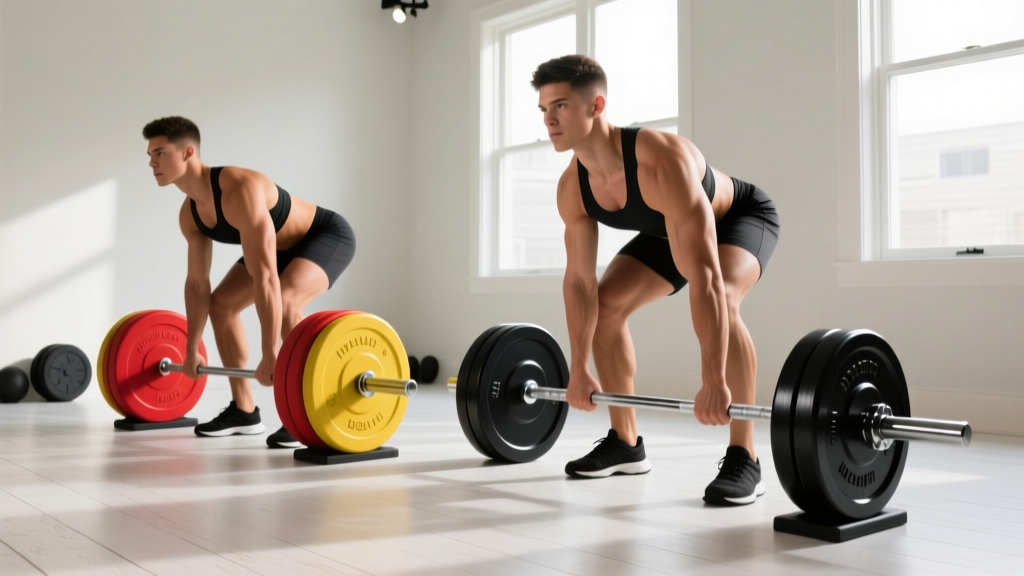
Bumper vs Iron Plates for the Dumbbell Deadlift for Lower Back

Dumbbell Overhead Carry: Why Urethane Beats Rubber Hex Dumbbells
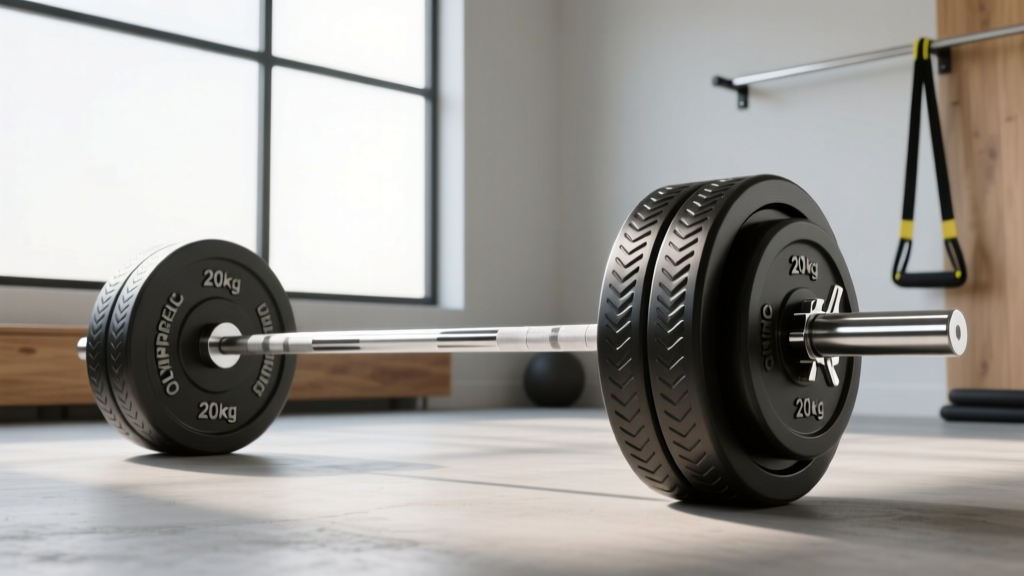
Olympic Barbell Buying Guide: Knurling, Weight & Dumbbell Molds
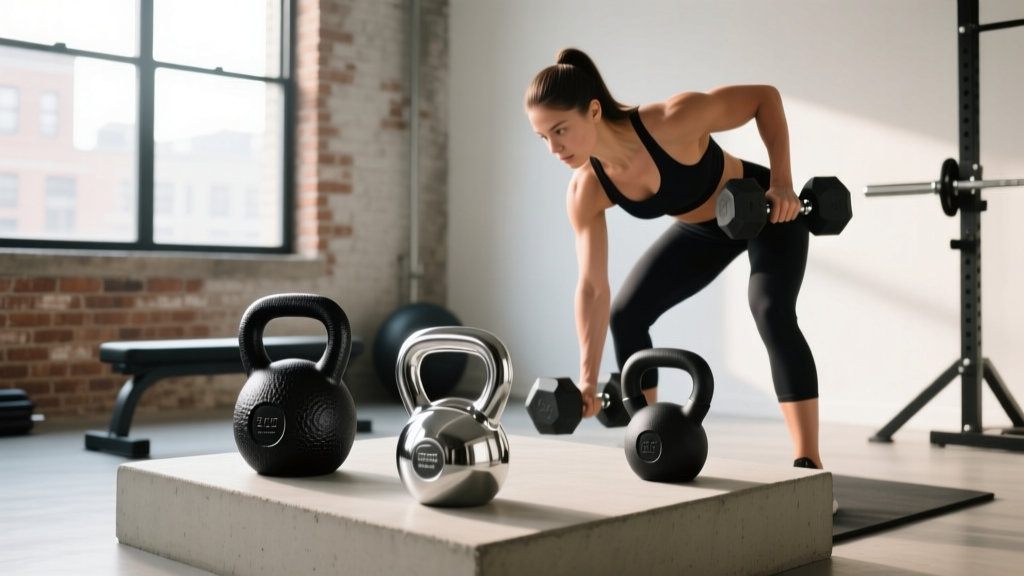
Kettlebell Guide: Cast Iron vs Competition & One-Arm Dumbbell Rows

Bumper vs Iron Plates: Care for Glute Bridge with Dumbbells
