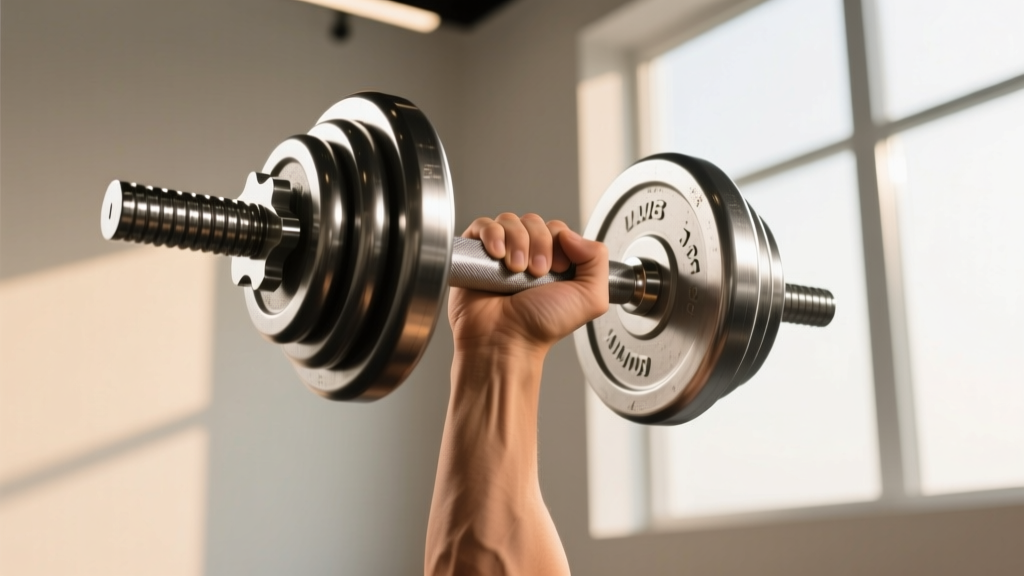
Barbell Collar Types & Safety for Bowflex 90 lb Dumbbells Guide
Master weight security in your home gym. Compare barbell collar types and learn safety steps for using Bowflex 90 lb dumbbells and standard barbells.

The Beginner's Guide to Home Gym Weight Security
Building a home gym in 2026 is an incredible investment in your health, but it comes with a steep learning curve regarding equipment safety. When beginners outfit their garage gyms, they typically invest in two foundational pieces: a standard Olympic barbell and a set of adjustable dumbbells, most notably the Bowflex 90 lb dumbbells (officially the SelectTech 1090). While both tools are fantastic for progressive overload, they handle weight security in fundamentally different ways.
If you are transitioning from commercial gym machines to free weights, understanding how to properly secure your plates is non-negotiable. A loose 45-pound plate sliding off a barbell during a bench press, or a poorly engaged dial on an adjustable dumbbell, can lead to catastrophic injuries. This step-by-step guide breaks down the mechanics of external barbell collars, compares the most popular clamp types on the market, and outlines the strict internal safety protocols required when using Bowflex 90 lb dumbbells.
⚠️ Critical Safety Warning
Never assume weight plates are secure just because they are pushed tightly against the barbell sleeve. Without a properly rated collar, lateral movement during exercises like the barbell hip thrust or push press can cause plates to slide, shift the bar's center of gravity, and result in severe joint or crush injuries.
Internal vs. External Security: Understanding Your Equipment
Before we compare external barbell clamps, we must address the internal locking mechanisms of adjustable dumbbells. The Bowflex SelectTech 1090 is a marvel of engineering, replacing 17 sets of traditional weights by adjusting from 10 to 90 pounds in 5-pound increments. However, because the Bowflex 90 lb dumbbells rely on an internal dial and retention bracket system, you cannot and should not use external barbell collars on them.
Step-by-Step: Securing Bowflex 90 lb Dumbbells
- Inspect the Dial: Before lifting, ensure the red selection dial is fully seated in the groove of your desired weight (e.g., 45 lbs). You must hear and feel a distinct mechanical 'click'.
- The Lift-Off Test: Lift the dumbbell straight up from the cradle. If the handle separates from the outer casing or you hear rattling, immediately lower it. The internal retention pin has not engaged.
- Never Drop Adjustable Dumbbells: Unlike solid cast-iron hex dumbbells, the Bowflex 1090 is encased in a rigid plastic shroud. Dropping a 90 lb adjustable dumbbell from shoulder height will crack the housing, permanently damaging the internal locking brackets and creating a massive safety hazard.
Barbell Collar and Clamp Types Comparison
Unlike the self-contained Bowflex system, an Olympic barbell requires external collars to clamp the plates against the inner sleeve lip. According to BarBend's comprehensive testing on barbell collars, the market is saturated with options ranging from $10 spring clips to $80 precision-machined aluminum levers. Here is how the primary types compare for a beginner setting up a home gym.
1. Spring Collars (The Budget Standard)
Made from coiled spring steel with plastic or rubber grips, these are the most common collars found in commercial gyms. They are lightweight and cheap, but require significant hand strength to open.
- Price Range: $12 - $18 per pair
- Best For: Quick plate changes during drop sets.
- Failure Mode: Over time, the metal fatigues and loses tension. They are notorious for slipping on slick, zinc-plated barbell sleeves during heavy lateral movements.
2. Lock-Jaw / Polymer Clamps (The Home Gym Favorite)
These utilize a glass-reinforced nylon body with a heavy-duty latch mechanism that bites down on the 50mm Olympic sleeve. They are incredibly secure and require minimal grip strength to apply.
- Price Range: $20 - $28 per pair
- Best For: Heavy compound lifts (squats, deadlifts, bench press) where maximum lateral security is needed.
- Failure Mode: Polymer becomes brittle in extreme cold. If your garage gym drops below freezing in the winter, leaving these on the bar can cause the plastic hinge to snap under pressure.
3. Aluminum Lever Collars (The Premium Choice)
Machined from aircraft-grade aluminum with an adjustable tension screw and a cam-lever locking system. Brands like Eleiko and Rogue dominate this space.
- Price Range: $45 - $85 per pair
- Best For: Olympic weightlifting (snatches, clean and jerks) where the barbell experiences extreme rotational torque and dropping.
- Failure Mode: If the tension screw is not calibrated correctly to the specific barbell sleeve diameter (which can vary by 1-2mm between brands), the lever will either fail to lock or scratch the bar's finish.
Comparison Matrix: Which Collar Should You Buy?
| Collar Type | Lateral Grip Strength | Ease of Use | Durability (2026 Rating) | Ideal Beginner Use-Case |
|---|---|---|---|---|
| Spring Collars | Low-Medium | Difficult (High grip demand) | Medium (Tension loss) | Light accessory work, lunges |
| Polymer Clamps | Very High | Easy (Simple latch) | High (Unless frozen) | Heavy squats, bench, hip thrusts |
| Aluminum Levers | Maximum | Moderate (Requires tuning) | Lifetime | Olympic lifts, dynamic movements |
| Spinlock (Standard) | Medium | Slow (Threading) | High | 1-inch standard bars only |
Step-by-Step Guide: Properly Applying a Barbell Clamp
Even the most expensive aluminum lever collar will fail if applied incorrectly. Follow this standardized protocol every time you load your barbell.
Step 1: Clean the Sleeve
Barbell sleeves accumulate chalk, sweat, and dust. Wipe the 50mm sleeve with a dry microfiber cloth. A layer of gym chalk acts as a lubricant for polymer clamps, drastically reducing their friction coefficient and allowing plates to slide.
Step 2: Load and Pack Tightly
Load your plates in descending order of size (e.g., 45s, then 25s, then 10s). Push them firmly against the inner machined lip of the barbell sleeve. Ensure there is no gap between the plates.
Step 3: Position the Collar Flush
Slide the collar onto the sleeve until it is physically touching the outermost plate. Do not leave a half-inch gap. The collar must act as a physical wall, not just a friction brake.
Step 4: Engage and Lock
For polymer clamps, pull the latch down until it clicks. For lever collars, push the cam lever until it sits perfectly flush with the collar body. If it requires excessive force, loosen the tension screw by a quarter-turn.
Step 5: The Lateral Shake Test
Grab the outermost plate and attempt to wiggle it side-to-side. If there is any audible clanking or visible movement, unlock the collar, push it tighter against the plate, and re-engage.
Pro-Tip for Mixed Gyms: When pairing heavy barbell squats with high-rep dumbbell accessory work, keep your barbell collars on a dedicated hook or rack peg. Stepping on a misplaced Lock-Jaw clamp in a dimly lit garage gym is a common cause of ankle sprains.
Common Edge Cases and Troubleshooting
Dealing with Bumper Plates
If you are using thick rubber bumper plates for deadlifts, the wide hubs can sometimes interfere with the inner jaw of cheaper spring collars. Always opt for polymer clamps or aluminum levers when using full-diameter bumper plates, as their locking mechanisms sit further out on the sleeve and provide a wider clamping surface.
Adjustable Dumbbell Clearances
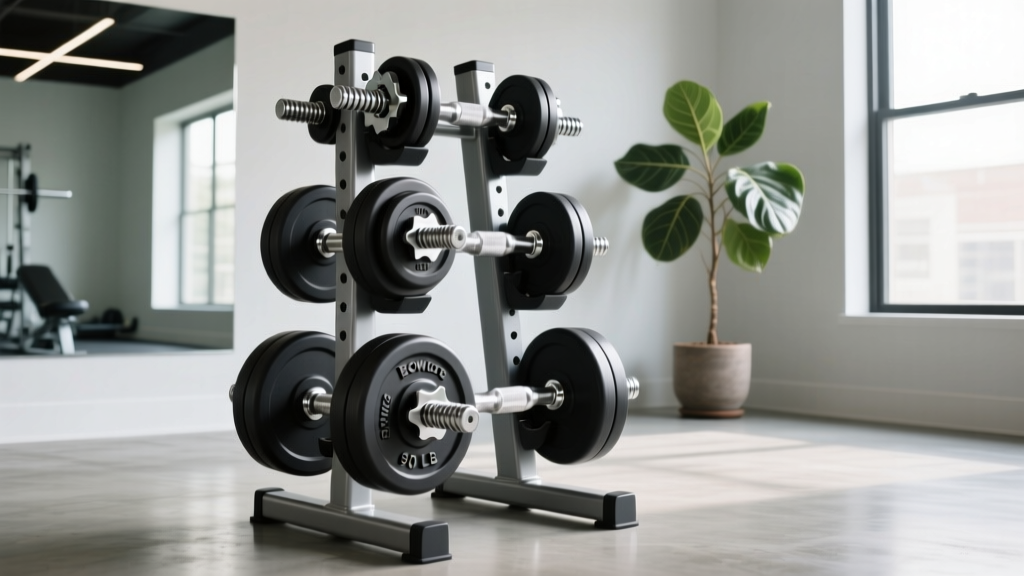
When performing exercises that require both your barbell and your Bowflex 90 lb dumbbells (such as barbell complexes or supersetting bench press with heavy dumbbell flyes), ensure your weight storage rack has adequate clearance. The SelectTech 1090 is significantly longer than standard hex dumbbells. Storing them too close to your barbell rack can result in the barbell sleeves knocking the dumbbell dials during re-racking, accidentally shifting the weight setting for your next set.
Frequently Asked Questions
Can I use standard 1-inch spinlock collars on an Olympic barbell?
No. Olympic barbell sleeves are 50mm (approximately 2 inches) in diameter. Standard spinlock collars are designed for 1-inch (25mm) threaded bars and will simply slide off an Olympic sleeve, creating an extreme hazard.
Do I need collars for dumbbell exercises?
Traditional plate-loaded dumbbell handles require spinlock or spring collars. However, modern adjustable systems like the Bowflex 90 lb dumbbells utilize internal mechanical brackets. Never attempt to strap or clamp external collars onto the plastic housing of a SelectTech dumbbell.
How often should I replace my barbell clamps?
Spring collars should be replaced every 12 to 18 months of heavy use, as the metal coil stretches and loses its clamping force. High-quality polymer clamps and aluminum levers can last a lifetime unless subjected to extreme impacts or freezing temperatures.
Final Thoughts on Gym Safety
Whether you are loading up a barbell for a new 1-rep max or dialing your Bowflex 90 lb dumbbells to their maximum setting for heavy goblet squats, weight security is the foundation of safe training. Invest in a high-quality pair of polymer or aluminum collars for your barbell, respect the internal mechanics of your adjustable dumbbells, and always perform the lateral shake test before you unrack. Train hard, but above all, train safe.
More gear to consider
All reviews
Space-Saving Dumbbell Racks & The Dumbbell Row No Bench
Bent Over Two Dumbbell Row with Palms In: Olympic vs Standard Plate Fixes

What Does Dumbbell Bench Press Work? Moving to Barbells & Collars

Beyond Exercises With Dumbbells for Beginners: Barbell Knurling Guide

Dumbbell Chest Exercises (No Bench): Rack Storage & Maintenance