
Olympic vs Standard Plates: Sizing for Alternate Dumbbell Curls
Compare Olympic vs standard weight plates. Discover which sizing works best for heavy barbell lifts and loading dumbbells for alternate dumbbell curls.

The Core Dimensional Divide: 1-Inch vs. 50mm
When outfitting a home gym in 2026, the most critical fork in the road is choosing between standard and Olympic weight plates. While most buyers focus solely on barbell compatibility, this decision drastically impacts your entire ecosystem—including how you load adjustable dumbbells for isolation movements like alternate dumbbell curls. Understanding the exact engineering differences between these two plate types is essential for building a seamless, injury-free training environment.
Quick Spec Cheat Sheet:- Standard Bore: Nominally 1 inch, but actually manufactured at 1.0625 inches (approx. 27mm).
- Olympic Bore: Exactly 50mm (1.968 inches), standardized by the International Weightlifting Federation.
- Standard Sleeve Diameter: 1 inch.
- Olympic Sleeve Diameter: 50mm with rotating end caps.
Head-to-Head Comparison Matrix
Before diving into the biomechanics of arm training, let us break down the raw data comparing standard and Olympic weight plates across critical home gym metrics.
| Feature | Standard (1-Inch) | Olympic (50mm) |
|---|---|---|
| Average Cost (2026) | $1.20 - $1.50 / lb | $2.00 - $3.50 / lb |
| Max Plate Weight | Typically 25 lbs (50 lbs rare) | 55 lbs (25 kg) standard |
| Dumbbell Compatibility | High (Spinlock handles) | Low (Requires specialized loadable handles) |
| Weight Accuracy | +/- 5% variance | +/- 1% to 3% variance |
| Storage Footprint | Compact, fits 1" peg trees | Bulky, requires heavy-duty cradles |
The Biomechanics of Alternate Dumbbell Curls: Why Sleeve Rotation Matters
At first glance, weight plates seem irrelevant to dumbbell exercises. However, if you utilize loadable dumbbell handles to save space and money, the plate type dictates the handle's sleeve mechanics. This is where the alternate dumbbell curl becomes the ultimate stress test for your equipment.
According to exercise biomechanics data from ACE Fitness, the biceps brachii serves a dual purpose: it is both an elbow flexor and a powerful forearm supinator. When you perform an alternate dumbbell curl, you start with a neutral grip and supinate (twist) your wrist outward as you flex the elbow.
The Standard Spinlock Failure Mode
Standard 1-inch dumbbell handles rely on a threaded bar and a spinlock nut to secure the plates. During the supination phase of the curl, the rotational force transfers directly into the plates. Because the nut is tightened against the iron, the plates attempt to grind against each other and the nut. This creates severe torsional friction. Instead of the handle rotating smoothly in your grip, the friction forces your wrist and elbow tendons to absorb the rotational shear, significantly increasing the risk of medial epicondylitis (golfer's elbow) over time.
The Olympic Loadable Advantage
Conversely, Olympic loadable dumbbell handles (such as the Rogue Loadable Dumbbell or Titan Fitness Olympic Dumbbell Handle) feature a 50mm sleeve that rotates independently of the grip shaft via bronze bushings or needle bearings. When you load Olympic plates onto these handles and execute alternate dumbbell curls, the plates remain relatively stationary in space while the inner shaft rotates freely in your palm. This perfectly matches the natural biomechanical path of the biceps, eliminating joint shear and allowing for a purer, more isolated muscle contraction.
Real-World Cost Analysis: Building a 200 lb Plate Set
Let us look at the actual financial commitment required for a 200-pound plate setup in 2026, factoring in the necessary accessories for dumbbell training.
- Standard Route (CAP Barbell 1-Inch Cast Iron): A 200 lb set costs roughly $240. You will need two 1-inch spinlock dumbbell handles ($40 total). Total: ~$280.
- Olympic Route (Rogue Fleck 2.0 or Titan Rubber Grip): A 200 lb set costs roughly $450. Because Olympic loadable dumbbell handles require precision machining, a pair of quality handles costs between $180 and $250. Total: ~$650 - $700.
While the standard route is significantly cheaper upfront, the Olympic route offers superior longevity, smoother rotational mechanics for arm isolation, and the ability to eventually scale up to heavy barbell squats and deadlifts without buying a second set of plates.
Edge Cases and Storage Limitations
One frequently overlooked factor is how plate diameter impacts exercise execution. Standard 25-pound plates have a diameter of roughly 11.5 inches. If you attempt to load a standard dumbbell past 50 pounds (using two 25s per side), the sheer width of the plates will force your hands into an uncomfortably wide stance, and the plates will likely collide with your thighs during standing curls or walking lunges.
Olympic plates solve this through standardized diameter scaling. A 10-pound Olympic "change plate" maintains a smaller profile, and specialized 25-pound Olympic plates are only 17.7 inches in diameter (compared to the massive 45-pound bumper plates). This density allows you to load an Olympic dumbbell handle up to 80+ pounds per hand without the plates interfering with your body's natural range of motion.
Pro-Tip for Home Gym Owners: If you commit to Olympic plates for your barbell but still want to perform high-rep alternate dumbbell curls, do not buy cheap 1-inch adjustable dumbbells. Invest in a pair of fixed-weight urethane dumbbells (15-35 lbs) for arm day, and reserve your Olympic loadable handles for heavy, low-rep compound movements like farmer's walks and shrugs.
Expert Verdict: Which Should You Buy?
Choose Standard (1-Inch) Plates If: You are on a strict budget under $300, you only plan to lift light-to-moderate weights, and your primary focus is on basic isolation movements rather than heavy compound barbell lifting. Standard plates are perfectly adequate for casual home use, provided you do not overload the spinlock nuts.
Choose Olympic (50mm) Plates If: You are building a long-term, scalable home gym. The superior weight accuracy, rotational sleeve mechanics (which protect your wrists during alternate dumbbell curls), and compatibility with commercial-grade power racks make Olympic plates the undisputed champion for serious lifters. The higher initial cost is offset by the equipment's multi-generational lifespan.
More gear to consider
All reviews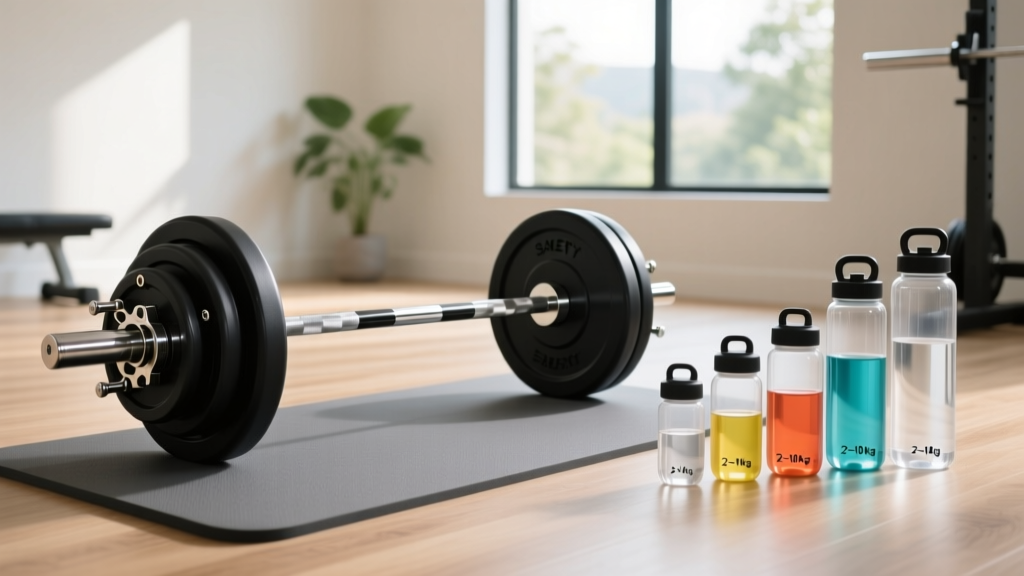
Barbell Collar Types & Water Dumbbells: Setup Walkthrough

Beyond a Full Body Dumbbell Workout: Barbell Collar Types Compared
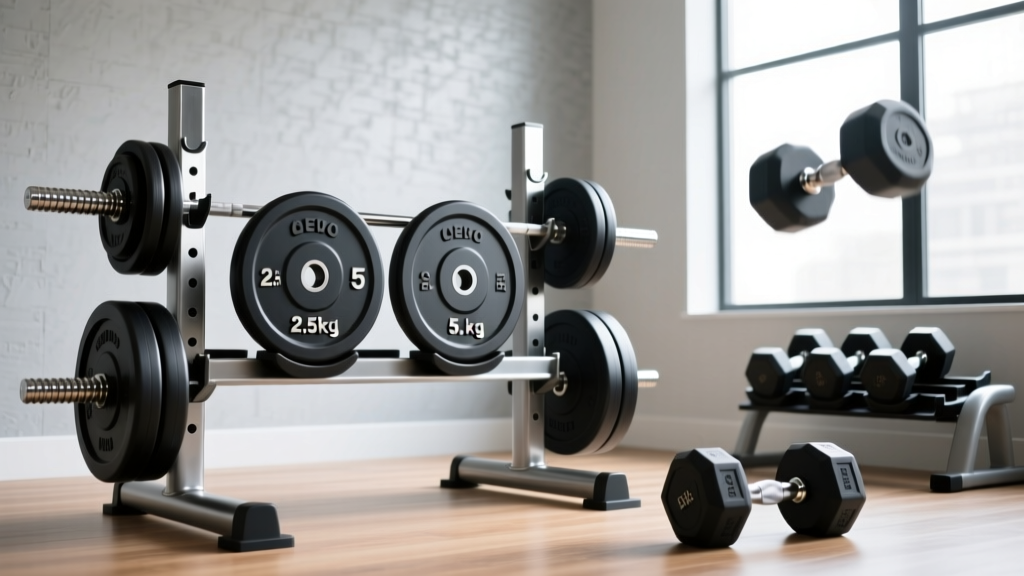
Olympic vs Standard Weight Plates: Troubleshooting Dumbbell Pulls

Setup Guide: Adjustable Dumbbells for an Arm Workout With Dumbbells

Rubber Hex vs Urethane: Maintenance for Dumbbell Flyes for Man Boobs
