
Barbell Collars vs Clamps: After the Bowflex Dumbbells 1090 Pair
Maxed out your Bowflex dumbbells 1090 pair? Transition to barbells safely with our beginner's step-by-step comparison of barbell collars and clamps.

Beyond the 90-Pound Ceiling: Your Next Big Step
You have finally maxed out the dial on your Bowflex dumbbells 1090 pair. Hitting 90 lbs per hand for presses, rows, or lunges is a massive milestone that places you in an advanced strength tier. The 1090s are phenomenal pieces of engineering, utilizing an internal dial mechanism that securely locks plates inside the housing. However, the 90-pound per dumbbell ceiling means it is time to transition to an Olympic barbell for heavy compound lifts like squats, deadlifts, and barbell bench presses.
Unlike your adjustable dumbbells, a barbell relies entirely on external friction to keep hundreds of pounds of iron from sliding off the sleeves during a lift. This is where barbell collars and clamps become your most critical safety investment. As of 2026, the market is flooded with options, but choosing the wrong one can lead to catastrophic plate shifts. This beginner-friendly guide will walk you through the exact types of collars available, how they compare, and how to properly secure your barbell step-by-step.
💡 The Biomechanics of Plate Shift: When you squat or deadlift, the barbell flexes (bends) under load. This flexing creates lateral (sideways) force against the plates. If your collar does not apply enough inward clamping pressure, the plates will inch outward. A shift of just one inch on a heavy squat alters the bar's center of gravity, potentially causing a dangerous wrist or lower back injury.Step 1: Understand Your Barbell Sleeve Dimensions
Before buying any clamp, you must verify your barbell's sleeve diameter. While your Bowflex dumbbells use proprietary internal trays, Olympic barbells use standardized sleeves.
- Olympic Standard (50mm / 1.97 inches): 95% of commercial and serious home gym barbells use this size. All collars reviewed below are designed for 50mm sleeves.
- Standard (25mm / 1 inch): Found on cheap, entry-level department store barbells. If you are upgrading from a 1090 pair, you should absolutely be buying an Olympic barbell, not a 1-inch standard bar.
Step 2: Compare the 3 Main Collar Types
Not all collars are created equal. According to extensive testing by Garage Gym Reviews, the clamping mechanism dictates both safety and ease of use. Let us break down the three primary categories.
1. Traditional Spring Clips (The Outdated Standard)
These are the cheap, metal wire clips you often find sitting in a dusty bin at commercial gyms. You squeeze the handles to expand the coil, slide it on, and release.
- Current Price Range: $10 - $15 per pair.
- The Failure Mode: Metal fatigue. After roughly 500 repetitions of drops (like in deadlifts or cleans), the spring loses its tension. Furthermore, they provide very little lateral inward pressure, meaning plates will still rattle and shift during heavy squats.
- Verdict: Avoid these entirely for heavy lifting. They are only acceptable for light accessory work or PVC pipe mobility drills.
2. Quick-Release Clamp Collars (The Home Gym Standard)
These utilize a hard nylon or aluminum body with a cam-lever or screw mechanism that physically clamps down onto the 50mm sleeve. The Rogue AH-1 Collars and the classic Lock-Jaw are the industry benchmarks here.
- Current Price Range: $25 - $40 per pair.
- The Mechanism: You slide the collar flush against the plate, pull the lever, and a cam system tightens an inner nylon ring against the steel sleeve.
- The Edge Case: If your barbell sleeve is heavily scratched or coated in thick, caked-on chalk, the nylon insert can slip. You must wipe the sleeve clean before clamping.
- Verdict: The absolute best choice for 90% of lifters transitioning from dumbbells to barbells. They are fast, secure, and handle drops exceptionally well.
3. Lever-Arm & Competition Collars (For Olympic Lifts)
Designed for competitive weightlifting (snatches, clean and jerks) where the barbell is dropped from overhead repeatedly. Brands like OSO Pro and Eleiko dominate this space.
- Current Price Range: $45 - $75 per pair.
- The Mechanism: A heavy-duty aluminum lever arm pulls a steel band incredibly tight around the sleeve. They often weigh 2.5kg (5.5 lbs) each, which actually counts toward your total lifted weight in competition.
- Verdict: Overkill for the average home gym user doing powerlifting or bodybuilding, but mandatory if you plan on dropping heavy Olympic lifts onto rubber bumper plates daily.
Head-to-Head Comparison Matrix
| Model / Type | Mechanism | Avg. Price (2026) | Best Use Case |
|---|---|---|---|
| Generic Spring Clip | Steel Coil Tension | $12 / pair | Light accessories, mobility |
| Lock-Jaw (Clamp) | Nylon Cam-Lock | $25 / pair | General strength, home gyms |
| Rogue AH-1 (Clamp) | Aluminum Cam-Lock | $32 / pair | Heavy powerlifting, drops |
| OSO Pro (Lever) | Steel Band Lever | $55 / pair | Olympic weightlifting |
Step 3: How to Properly Secure Your Barbell (Step-by-Step)
Transitioning from the foolproof dial system of your Bowflex 1090s means you are now responsible for the physical security of your weights. Follow this exact sequence every time you load the bar.
- Load the Inner Plates First: Slide your heaviest plates (e.g., 45 lb bumpers) onto the sleeve first, pushing them completely flush against the inner lip of the barbell sleeve.
- Close the Gaps: Ensure there is zero gap between the plates. If you are using thin fractional plates (like 2.5 lb steel plates), place them on the outside of the bumpers but inside the collar.
- Leave the 'Safety Margin': Do not slide the collar all the way to the absolute edge of the sleeve. Leave exactly 0.5 to 1 inch of exposed sleeve past the collar. This ensures the clamping mechanism has full contact with the steel cylinder and isn't hanging off the rounded edge.
- Engage the Clamp: Slide the collar flush against the outermost plate. Pull the lever or tighten the screw. Pro Tip: You should feel a distinct 'click' or heavy resistance when a cam-lock collar passes the 90-degree threshold.
- The Shake Test: Before getting under the bar, grab the outer plate and try to violently shake it. If the plate rattles independently of the bar, the collar is too loose. Re-adjust.
Real-World Troubleshooting & Maintenance
Even the best clamps fail if not maintained. According to equipment maintenance guidelines highlighted by BarBend, chalk and oxidation are the enemies of barbell friction.
⚠️ Warning: The WD-40 MistakeNever use standard WD-40 to clean your barbell sleeves or collars. It leaves a sticky residue that attracts chalk dust and dirt, creating a paste that causes collars to slip. Instead, use a wire brush to remove chalk, wipe with a dry microfiber cloth, and apply a microscopic amount of 3-IN-ONE White Lithium Grease to the sleeve once a month to prevent rust and maintain smooth plate loading.
Edge Case: Dropping Deadlifts with Bumper Plates
When you drop a deadlift from the lockout position, the kinetic energy travels horizontally through the barbell sleeve. If you are using rubber bumper plates, the rubber compresses, which can momentarily loosen the grip of a cheap spring clip. If you plan on dropping deadlifts or doing touch-and-go reps, you must use a cam-lock clamp (like the Rogue AH-1) or a lever collar. Clamp collars absorb the horizontal shear force without losing their inward grip.
Frequently Asked Questions
Can I use barbell collars on my adjustable dumbbells?
No. Adjustable dumbbells like the Bowflex 1090 pair have proprietary handles and internal locking trays. Their sleeves are not 50mm, and they do not have the necessary straight surface area to accommodate a barbell collar. Only use collars on standard Olympic barbells and fixed-grip dumbbell handles.
Do collars add weight to my lift?
Yes, but usually a negligible amount. Standard nylon clamp collars weigh about 0.25 lbs each. Heavy competition lever collars weigh 2.5kg (5.5 lbs) each. For general home gym training, you do not need to factor the weight of nylon clamps into your total lifted weight.
How often should I replace my clamp collars?
High-quality aluminum and nylon cam-lock collars will easily last 5 to 10 years in a home gym environment. You only need to replace them if the inner nylon insert becomes visibly cracked, or if the cam-lever mechanism becomes loose and no longer pulls the collar tight against the sleeve.
Final Thoughts on Your Strength Journey
Outgrowing your Bowflex dumbbells 1090 pair is a badge of honor. It means your foundation is built, and you are ready for the unlimited loading potential of an Olympic barbell. Do not let a $15 pair of cheap spring clips compromise your safety and your progress. Invest $30 in a reliable set of cam-lock clamps, master the loading sequence, and confidently step up to the barbell.
More gear to consider
All reviews
Cast Iron vs Competition Kettlebells & Dumbbell Rear Lat Raise Swaps

Loadable Dumbbells: The Best Lateral Pulldown Dumbbell Alternative

Bumper vs Iron Plates & Standing Dumbbell External Rotation
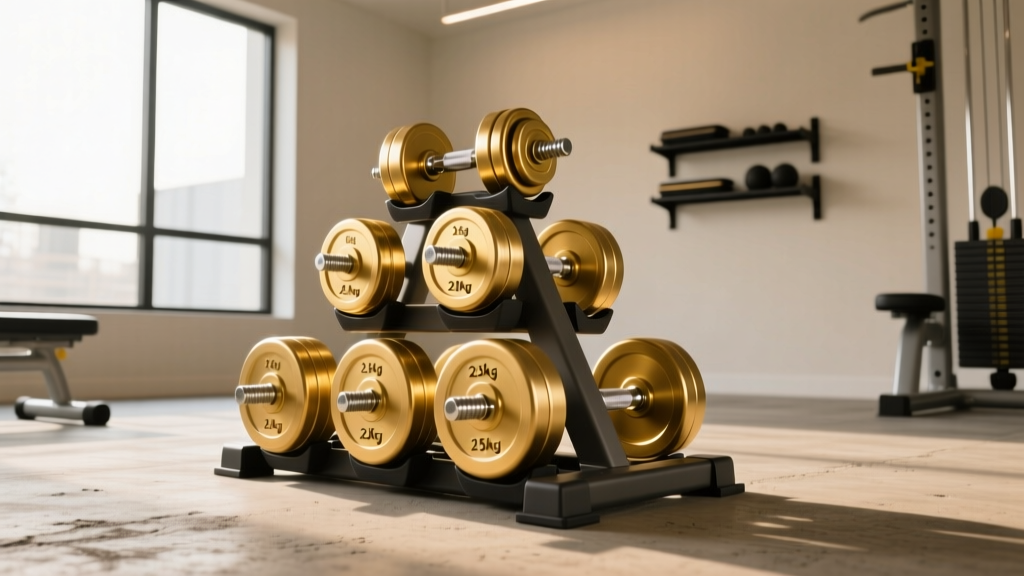
The Golden Dumbbell Setup: Loadable Plates for Small Gyms

Rack Guide: Power vs Squat Rack vs Stand + Dumbbell Workout Arms Abs
