Cast Iron vs Competition Kettlebells: Best Dumbbell Workouts for Women
Compare cast iron vs competition kettlebells with our buying and maintenance guide, designed to complement the best dumbbell workouts for women.

The Evolution of Women's Strength Training: From Dumbbells to Kettlebells
Many women build their foundational strength using the best dumbbell workouts for women, focusing on controlled hypertrophy, bone density improvement, and joint stability. According to the Cleveland Clinic, consistent resistance training is critical for women to combat age-related muscle loss and osteoporosis. However, as training evolves toward ballistic power, cardiovascular endurance, and dynamic flow, the kettlebell becomes an essential tool. Transitioning from traditional dumbbell movements to kettlebell swings, snatches, and Turkish get-ups requires not just a shift in technique, but a shift in equipment. The debate between cast iron and competition kettlebells is a cornerstone of this transition. More importantly, understanding how to maintain and care for these specific metal alloys ensures your investment lasts a lifetime, keeping your home gym functional and safe for years of progressive overload.
The Metallurgy of Your Home Gym: Why Material Matters
Before diving into maintenance, we must understand what we are maintaining. The longevity of your free weights is entirely dependent on their metallurgical composition and the environmental conditions of your workout space. Sweat is highly acidic and rich in chlorides, which act as a catalyst for oxidation (rust) on untreated iron and steel. While the urethane-coated dumbbells often featured in the best dumbbell workouts for women are virtually impervious to moisture, bare or painted metal kettlebells require a proactive care regimen. As of 2026, manufacturing techniques have improved, but the fundamental vulnerability of iron and steel to humidity remains unchanged.
Cast Iron Kettlebells: Buying Guide and Longevity Tips
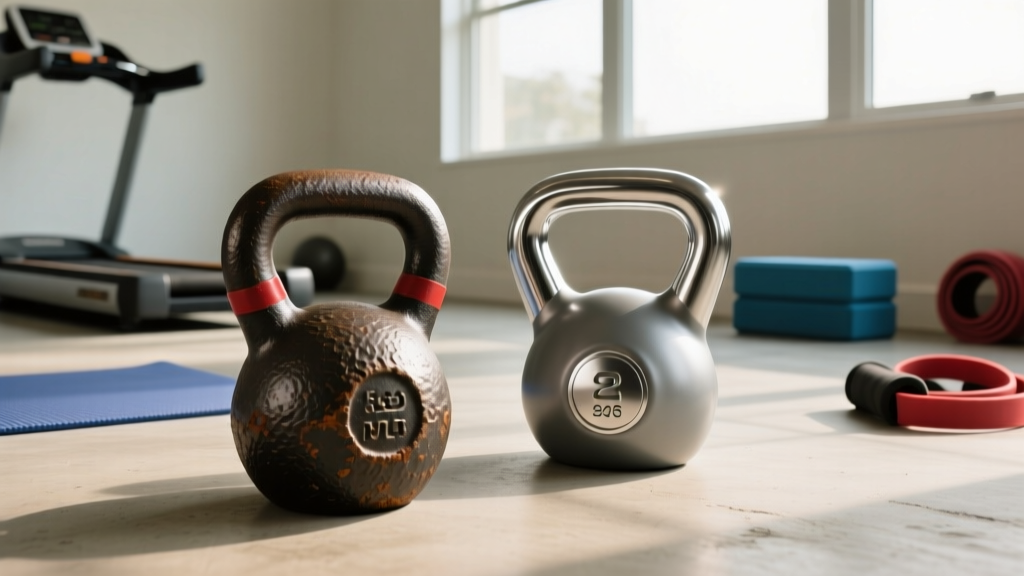
Cast iron kettlebells are the traditional choice, characterized by their compact size, thick handles, and varying dimensions based on weight. They are typically made from gray iron or ductile iron. When shopping for cast iron, the finish is the single most important factor for longevity.
E-Coat vs. Powder Coat: Which Lasts Longer?
Most entry-level cast iron bells use a basic enamel paint that chips easily upon impact, exposing the raw iron to moisture. Premium brands, like the Rogue Fitness Kettlebell lineup, utilize either an e-coat (electrophoretic deposition) or a specialized powder coat. E-coating provides a thinner, more uniform layer that preserves the tactile grip of the iron while offering superior rust resistance compared to standard paint. Powder coating is slightly thicker and highly durable against drops, but can feel abrasive on the hands during high-repetition snatches if not properly textured.
Expert Maintenance Tip: For e-coated cast iron kettlebells, wipe down the handle and bell with a dry microfiber cloth immediately after every workout. Once a month, apply a micro-thin layer of 3-in-One oil or food-grade mineral oil to the handle and base to displace ambient moisture. Avoid petroleum-based lubricants like WD-40, which can degrade certain coatings and leave a slippery residue that compromises your grip.Competition Kettlebells: Steel Care and Horn Maintenance
Competition kettlebells are engineered for uniformity. Whether you are lifting a 12kg or a 32kg bell, the physical dimensions of the bell and the handle (the horn) remain exactly the same. This consistency is vital for mastering complex movements without adjusting your grip mechanics. These bells are constructed from a hollow steel shell, often with an internal cavity filled with a sand-and-epoxy mixture to achieve the target weight and eliminate acoustic resonance.
Managing Paint Chips and Horn Friction
The primary vulnerability of competition bells, such as those in the Kettlebell Kings Competition series, is the painted horn. The handles are painted in standardized colors (e.g., yellow for 16kg, green for 24kg) for easy identification. However, the friction from chalked hands and the impact of racking during cleans will inevitably cause the paint on the horn to chip and flake. Exposed raw steel on the horn will oxidize rapidly, creating a rough surface that will tear your calluses during high-volume sets.
The Fix: When the paint on the horn begins to degrade, do not attempt to repaint it. Paint will simply chip again. Instead, use a 220-grit sanding sponge to strip the paint entirely from the handle, leaving bare, polished steel. Maintain the bare steel handle by regularly brushing it with a stainless steel wire brush to remove oxidized chalk buildup, and occasionally wiping it with a lightly oiled rag to prevent flash rusting.
Maintenance Matrix: Cast Iron vs. Competition vs. Dumbbells
To understand how your kettlebell care routine compares to the rest of your gym, review this maintenance matrix. This is especially useful if you rotate between the best dumbbell workouts for women and kettlebell conditioning flows.
| Equipment Type | Material & Finish | Primary Threat | Care Frequency | Estimated 2026 Cost (16kg/35lb) |
|---|---|---|---|---|
| Cast Iron Kettlebell | Gray/Ductile Iron, E-Coat | Surface rust on exposed base | Wipe daily, Oil monthly | $65 - $95 |
| Competition Kettlebell | Hollow Steel, Painted Horn | Horn paint chipping, flash rust | Brush weekly, Sand as needed | $130 - $165 |
| Urethane Hex Dumbbell | Steel core, Urethane coating | UV degradation, handle rust | Wipe handles weekly | $100 - $140 (per pair) |
| Neoprene Dumbbell | Cast iron core, Neoprene shell | Coating tearing, sweat odor | Wash with mild soap weekly | $40 - $60 (per pair) |
Step-by-Step Rust Remediation Protocol
If you have neglected your cast iron kettlebells or the bare steel handle of your competition bell, do not panic. Surface rust is a cosmetic issue that can be reversed without compromising the structural integrity of the weight. Follow this exact remediation protocol to restore your gear:
- The Vinegar Soak: For localized rust spots on the bell, soak a paper towel in standard white household vinegar and wrap it tightly around the rusted area. Leave it for exactly 45 minutes. The acetic acid will dissolve the iron oxide. Do not leave it longer, or the acid will begin to pit the healthy iron.
- Mechanical Agitation: Remove the towel and immediately scrub the area with a brass-bristle brush. Avoid steel brushes, as they can leave behind microscopic steel particles that will rust independently and stain your bell.
- Neutralization: Wipe the area down with a baking soda and water paste to neutralize any remaining vinegar acid. Rinse with a damp cloth and dry completely with a towel.
- Re-Seasoning: Apply a light coat of mineral oil or a specialized cast-iron conditioner. Buff it out with a clean microfiber cloth until the surface feels dry to the touch but looks slightly darkened.
Storage Solutions for Humid Environments
The best dumbbell workouts for women and intense kettlebell flows generate a massive amount of sweat and elevate the ambient humidity in a closed garage or basement gym. If your workout space regularly exceeds 60% relative humidity, your metal equipment is in constant danger of flash rusting, even if wiped down immediately after use.
'Storing cast iron and steel weights directly on a concrete floor is a guaranteed way to accelerate oxidation. Concrete is porous and wicks moisture from the ground, transferring it directly to the flat base of your kettlebells.' - Home Gym Engineering Best Practices
Actionable Storage Advice: Always store your kettlebells and dumbbells on a raised, slatted rubber or wooden rack. If you must store them in a damp garage, place a few reusable silica gel desiccant packets in the immediate vicinity of your weight storage rack, or run a dedicated commercial dehumidifier set to maintain a 45% relative humidity level. For competition kettlebells with hollow cores, ensure the small plastic plug on the base is fully seated; if moisture enters the hollow core, it will rust from the inside out, eventually causing the bell to rattle and the structural integrity to fail.
Final Thoughts on Gear Longevity
Whether you are executing the best dumbbell workouts for women to build lean muscle or swinging a 24kg competition kettlebell for power endurance, your equipment is an investment in your long-term health. Cast iron offers an affordable, tactile experience that requires basic oiling and moisture management. Competition steel provides unparalleled consistency for technical mastery but demands proactive handle maintenance to protect your hands. By understanding the metallurgy of your gear and implementing these specific, actionable maintenance routines, you ensure that your free weights will outlast your fitness journey, remaining pristine and functional for decades to come.
More gear to consider
All reviews
Bumper vs Iron Plates: Budget & Dumbbell Rear Lateral Raises
Beyond the Dumbbell Pec Workout: 2026 Kettlebell Market Analysis

Olympic Barbell Weight & Knurling: Beyond Using Dumbbells to Tone Arms
EZ Bar vs Straight Bar & Bent Over Dumbbell Curls: Expert Guide
Rubber Hex vs Urethane: Best for a Dumbbell Lat Workout?