Fix Your One Handed Dumbbell Row: Neoprene Dumbbell Guide
Master the one handed dumbbell row at home. Troubleshoot grip fatigue, form errors, and neoprene equipment wear with our expert guide.

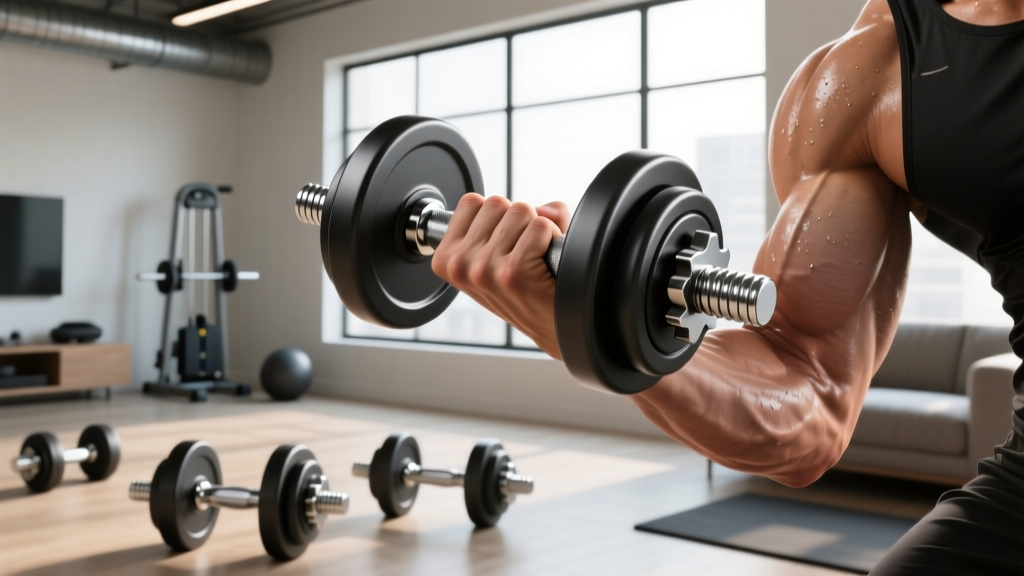
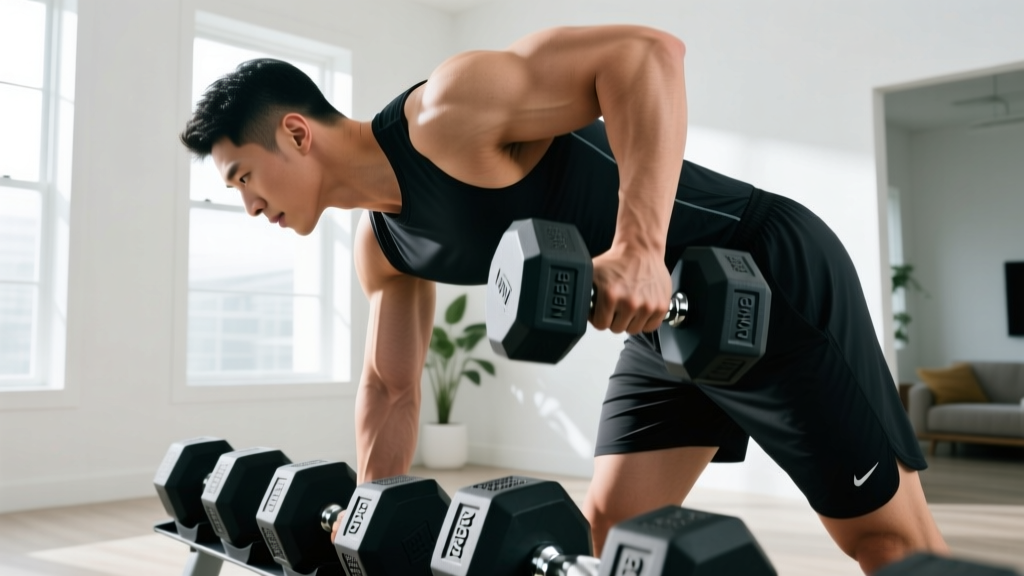
The one handed dumbbell row is a foundational movement for building a thick, resilient back. However, when you transition from a commercial gym's bare steel or urethane dumbbells to a home gym setup featuring neoprene coated dumbbells, the biomechanics of the lift subtly but significantly change. Millions of home gym owners rely on neoprene dumbbells for their floor-friendly, quiet, and aesthetic appeal. Yet, the very coating that protects your hardwood floors can silently sabotage your latissimus dorsi development if you fail to account for its unique physical properties.
⚠️ Quick Diagnostic Check: If your biceps, forearms, or rear delts are burning out before you feel a deep stretch and contraction in your lats during the one handed dumbbell row, your equipment's grip profile and your pulling path are likely misaligned.The Hidden Biomechanics of Neoprene Dumbbells
To troubleshoot your rowing form, you must first understand the equipment you are holding. According to ExRx.net's kinesiology breakdown of the one-arm row, the movement requires strict stabilization of the torso while the shoulder undergoes extension and adduction. Neoprene dumbbells introduce two major variables to this equation:
1. Handle Diameter and Grip Fatigue
Standard commercial cast-iron or chrome dumbbells typically feature a handle diameter of 28mm to 30mm. Neoprene-coated dumbbells, however, are often molded with thicker handles—ranging from 35mm to 40mm—to accommodate the rubberized coating and appeal to general fitness demographics. This 5mm to 10mm increase in circumference drastically reduces your ability to wrap your fingers securely around the bar. Consequently, the tension shifts from the back muscles to the brachioradialis and flexor digitorum, causing premature grip failure during heavy sets.
2. Center of Mass and Physical Footprint
Because neoprene is less dense than iron, a 25-pound neoprene dumbbell is physically bulkier than a 25-pound hex dumbbell. This larger footprint pushes the center of mass slightly further away from your wrist joint. When you pull the weight toward your hip, this altered moment arm can make the dumbbell feel unwieldy at the top of the contraction, often causing lifters to prematurely drop the weight or twist their spine to compensate.
Troubleshooting Matrix: Neoprene-Specific Rowing Errors
Below is a diagnostic table to help you identify and correct the most common mistakes associated with using neoprene dumbbells for home back workouts.
| Symptom | Root Cause (Neoprene Specific) | The Fix |
|---|---|---|
| Forearms burn out by rep 6 | Thick 38mm handle prevents full finger wrap, overworking the forearms. | Use a figure-8 lifting strap or apply liquid chalk to secure the grip without squeezing harder. |
| Dumbbell slips at the top of the row | Neoprene degradation from sweat salts creates a slick, chalky surface. | Wipe handles with a mild dish soap solution post-workout; avoid harsh bleach that dries out the rubber. |
| Lower back pain on the working side | Bulky dumbbell head forces a wider stance, twisting the pelvis on the bench. | Widen your non-working foot stance and ensure your hips remain perfectly square to the floor. |
| Bicep tendonitis flare-ups | Pulling the bulky weight to the chest instead of the hip due to altered center of mass. | Drive the elbow back toward the ceiling, aiming the dumbbell head toward your front pocket. |
Form Mistakes Exacerbated by Home Gym Setups
Even with perfect equipment knowledge, the home environment introduces setup flaws. Mayo Clinic's guidelines on safe back-strengthening mechanics emphasize the importance of spinal neutrality during hinged movements. Here is how your home setup might be ruining your row:
The 'Lawnmower' Torso Twist
Because neoprene dumbbells can feel slick or overly thick, lifters subconsciously use momentum to break the weight off the floor. This results in the classic 'lawnmower' pull, where the torso violently rotates upward. The Fix: Implement a 2-second pause at the bottom of every rep. Let the dumbbell hang, feel the lat stretch, and initiate the pull strictly with the shoulder blade retracting. If you cannot pause the weight, it is too heavy.
Bench Height Misalignment
Standard commercial flat benches are 17 to 18 inches high. If you are under 5'6", placing your knee on a standard bench while your opposite foot is on the floor will force your spine into lateral flexion (side-bending). This takes the lats out of the optimal line of pull. The Fix: Elevate your floor foot by standing on a 10lb or 25lb neoprene bumper plate or an aerobic step. This levels your hips and keeps your spine parallel to the floor, maximizing lat engagement.
"The mind-muscle connection in the one handed dumbbell row isn't about pulling the weight from point A to point B. It's about using the humerus as a lever to drag the elbow toward the hip, completely bypassing the bicep."
Equipment Care: Preventing Neoprene Degradation
Neoprene (polychloroprene) is highly durable, but it is not invincible. In a home gym environment, the primary enemy of your dumbbell handles is the acidic combination of human sweat and ambient humidity. Over 12 to 18 months of heavy use, the salts in your sweat will break down the chemical bonds on the surface of the handle, turning it from a grippy, matte texture into a slick, powdery mess.
When the handle becomes slick, your one handed dumbbell row suffers because your brain will limit neural drive to the back muscles to protect the hand from dropping the weight. To prevent this:
- Weekly Cleaning: Wipe down handles with a microfiber cloth dampened with water and a drop of pH-neutral dish soap.
- Avoid UV Exposure: Do not store your neoprene dumbbell rack in direct sunlight. UV rays cause the rubber to oxidize, crack, and flake.
- Chalk Management: If you use lifting chalk, brush the handles immediately after your set. Chalk absorbs into the micro-pores of the neoprene, drying it out and accelerating the degradation process.
Step-by-Step Setup Protocol for Heavy Rows
To execute the perfect one handed dumbbell row with a thick-handled neoprene dumbbell, follow this exact setup sequence:
- Stance Foundation: Place your non-working knee and same-side hand on the bench. Your supporting hand should be directly under your shoulder, not flared out.
- Hip Leveling: Step your working leg back and out to the side. If your hips tilt downward toward the working side, place your foot on an elevated surface (like a weight plate).
- Grip Acquisition: Grab the neoprene dumbbell. Because of the thicker handle, do not try to crush it. Hook your fingers securely and wrap your thumb. If grip is the limiting factor, apply a lifting strap now.
- The Scapular Glide: Before bending the elbow, let the shoulder blade protract (stretch forward) at the bottom. Initiate the pull by dragging the shoulder blade back toward your spine.
- The Elbow Path: Drive the elbow up and back, grazing your ribcage. Stop when your upper arm is parallel to the floor. Going higher usually forces the torso to rotate.
- The Eccentric: Lower the weight on a 3-second count, controlling the bulky neoprene head all the way to a dead stop.
When to Upgrade Away from Neoprene
Neoprene dumbbells are exceptional for home gyms, moderate weights, and floor-friendly environments. However, as your one handed dumbbell row progresses past the 60-pound mark, you will encounter the physical limits of this equipment. Neoprene dumbbells above 50 lbs become exceptionally bulky, often measuring over 14 inches in length. This extreme width can cause the dumbbell heads to clip your torso or the bench during the rowing motion.
If you find yourself consistently rowing 60+ lbs for working sets, it is time to invest in a set of bare steel or urethane hex dumbbells. Urethane offers a similar floor-protecting, quiet-drop benefit but maintains a compact, high-density profile and a standard 30mm grip diameter, allowing your back muscles to become the true limiting factor in your training.
More gear to consider
All reviews
Urethane vs Rubber Hex: 2026 Gear for the NYT Dumbbell Workout
The Dumbbells Acronym & Bumper vs Iron Plate Maintenance

Urethane vs Rubber Hex Dumbbells for the Close Dumbbell Chest Press

2026 Dumbbell Rack Trends: Storage for Dumbbell Russian Twists

How to Lift Dumbbells Properly With Loadable Plates (2026 Guide)