
Olympic vs Standard Plates: Beyond the Dumbbell Ab Workout
Compare Olympic vs standard weight plates for your home gym. Discover specs, pricing, and how to upgrade beyond a basic dumbbell ab workout.

Many home gym owners begin their fitness journey with adjustable dumbbells, mastering foundational movements and perhaps a rigorous dumbbell ab workout to build core stability. Tools like the Bowflex SelectTech 552 or PowerBlock Elite are fantastic for isolation work and high-repetition core routines. However, as your strength outgrows 50-pound dumbbells and you transition toward heavy compound barbell lifting, you face a critical equipment crossroads: Olympic vs. standard weight plates.
In 2026, the home fitness equipment market is more saturated than ever, yet the fundamental physics of lifting remain unchanged. Choosing the wrong plate standard can lead to bent barbells, shattered cast iron, and a frustrating ceiling on your progressive overload. In this head-to-head comparison, we break down the metallurgy, dimensional specs, and long-term cost analysis of Olympic and standard plates to help you build a commercial-grade home gym.
The Dimensional Showdown: 2-Inch vs. 1-Inch Standards
The most glaring difference between the two plate types lies in the center hole diameter, which dictates the barbells, dumbbell handles, and plate-loaded machines you can use.
The 'Standard' Misnomer
Standard weight plates feature a 1-inch (25.4mm) center hole. Despite the name 'standard,' this size is actually a legacy commercial standard that has been largely abandoned by professional gyms, competitive powerlifters, and Olympic weightlifters. Today, 1-inch plates are primarily manufactured for budget-friendly box sets sold in big-box sporting goods stores.
The Olympic True Standard
Olympic plates feature a 2-inch (50.8mm) center hole. According to the International Weightlifting Federation (IWF), the 50mm sleeve diameter is the global standard for competitive lifting. This larger diameter allows for a thicker, stronger barbell sleeve that can withstand massive torque and heavy drops without bending.
⚠️ The Standard Plate Trap: A standard 1-inch solid steel barbell will typically begin to yield (permanently bend) when loaded past 200 to 250 pounds. If you plan to deadlift or squat heavy, a 1-inch setup is a structural liability.Head-to-Head Spec Matrix: Top 2026 Models
To understand how these plates perform in the real world, we analyzed three of the most popular models on the market. As noted by the equipment testing team at Garage Gym Labs, the insert quality and drop-test durability are what separate a lifetime investment from a disposable toy.
| Feature | CAP Barbell Standard (1') | Rogue Echo Bumper (2') | Titan Fitness Elite (2') |
|---|---|---|---|
| Hole Diameter | 1 Inch (25.4mm) | 2 Inch (50.4mm) | 2 Inch (50.4mm) |
| Material | Cast Iron (Painted) | Virgin Rubber | Recycled Rubber |
| Center Insert | None (Painted Ring) | Stainless Steel Hook | Brass / Steel Insert |
| Drop Rating | Low (Cracks on impact) | High (10,000+ drops) | Medium-High |
| Avg. Price Per Pound | $0.80 - $1.10 | $3.50 - $4.20 | $2.20 - $2.80 |
Metallurgy and Failure Modes: What Breaks First?
When investing in free weights, understanding failure modes is crucial for safety and longevity. According to extensive durability testing by BarBend, the primary point of failure in weight plates is the center ring.
The Standard Cast Iron Weakness
Standard 1-inch cast iron plates do not use metal inserts. The hole is simply cast into the iron and painted. When you slide these onto a 1-inch barbell, the friction of raw steel against raw cast iron slowly grinds away the paint, leading to rust. Worse, if you drop a standard barbell from the top of a deadlift, the shockwave travels through the steel shaft directly into the brittle cast iron ring, frequently causing the center of the plate to crack or shatter entirely.
The Olympic Insert Advantage
High-quality Olympic plates feature pressed-in stainless steel or brass inserts. This insert serves two purposes:
- Friction Reduction: It provides a smooth, rust-proof surface that glides onto the barbell sleeve without scratching the zinc or chrome finish of your bar.
- Impact Absorption: In rubber bumper plates, the steel insert is vulcanized directly into the rubber hub, distributing the kinetic energy of a drop across the entire plate rather than concentrating it on a single point.
Cost Analysis: The Hidden Price of Going 'Standard'
At first glance, standard plates appear to be the undisputed winner in the budget category. You can frequently find 150-pound standard plate sets with an included 1-inch barbell for under $130 (roughly $0.86 per pound). Olympic cast iron plates typically hover around $1.50 to $2.00 per pound, while premium urethane or competition bumper plates can exceed $4.00 per pound.
However, the long-term economics heavily favor Olympic equipment. Because 1-inch barbells bend under heavy loads, lifters inevitably have to upgrade to an Olympic barbell. Once you buy an Olympic barbell, your entire collection of 1-inch standard plates becomes obsolete, as adapters are notoriously unsafe and wobble during dynamic movements. Buying Olympic plates from the start, even if it means purchasing them in phases, saves you from the 'sunk cost' trap of replacing your entire weight inventory.
Programming: Transitioning Your Core and Compound Lifts
Upgrading your plates isn't just about squatting heavier; it completely transforms how you program accessory and core work. While a targeted dumbbell ab workout is excellent for building the rectus abdominis through weighted crunches and Russian twists, Olympic plates unlock advanced, plate-loaded core mechanics that dumbbells simply cannot replicate.
Plate-Loaded Core Upgrades
- Barbell Rollouts: By loading 10-pound or 25-pound Olympic bumper plates onto a sleeve, you can perform standing or kneeling rollouts. The 2-inch diameter of the plate allows for a smooth, stable roll across the floor, challenging the anti-extension capacity of your core far more than an ab wheel.
- Landmine Rotations: Securing an Olympic barbell into a landmine base and loading it with plates allows for heavy, multi-planar rotational work that builds the obliques and transverse abdominis for athletic power.
- Plate Pinches and Carries: Smooth, machined Olympic iron plates are ideal for plate pinches, building immense grip strength and forearm hypertrophy that supports heavy deadlifts.
Expert Tip: If you are transitioning from a dumbbell ab workout to barbell core work, start with 'dead bugs' while holding a single 10lb Olympic plate. The larger surface area of the plate forces a wider, more stable grip, increasing the isometric tension on your anterior core compared to holding a single dumbbell.
Final Verdict: Which Should You Buy?
The debate between Olympic and standard weight plates is less of a rivalry and more of a timeline. Standard 1-inch plates serve a very narrow demographic: casual lifters who only plan to perform light isolation exercises, strict floor presses, or basic dumbbell-style movements using plate-loaded handles, and who will never exceed 150 pounds of total resistance.
For everyone else, Olympic plates are the only logical choice. The 2-inch standard ensures compatibility with commercial-grade barbells, power racks, and plate-loaded cable machines. The presence of steel inserts protects your equipment, and the sheer variety of Olympic options—from calibrated steel competition plates to 90-Shore-A deadlift bumpers—means your equipment will scale with your strength for decades. Skip the 1-inch trap, invest in a quality Olympic barbell, and build a home gym that supports everything from a heavy back squat to your most advanced core routines.
More gear to consider
All reviews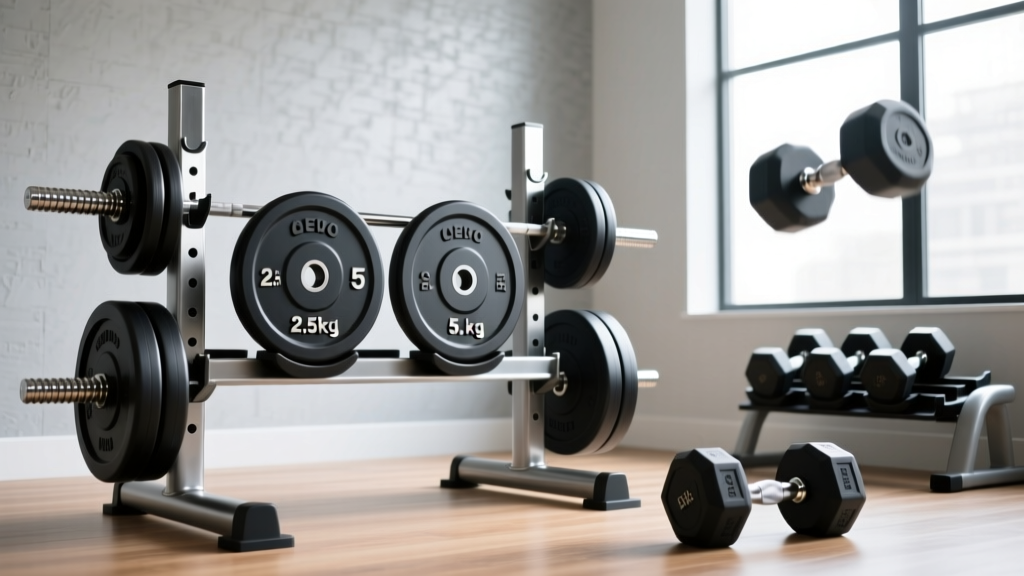
Olympic vs Standard Weight Plates: Troubleshooting Dumbbell Pulls
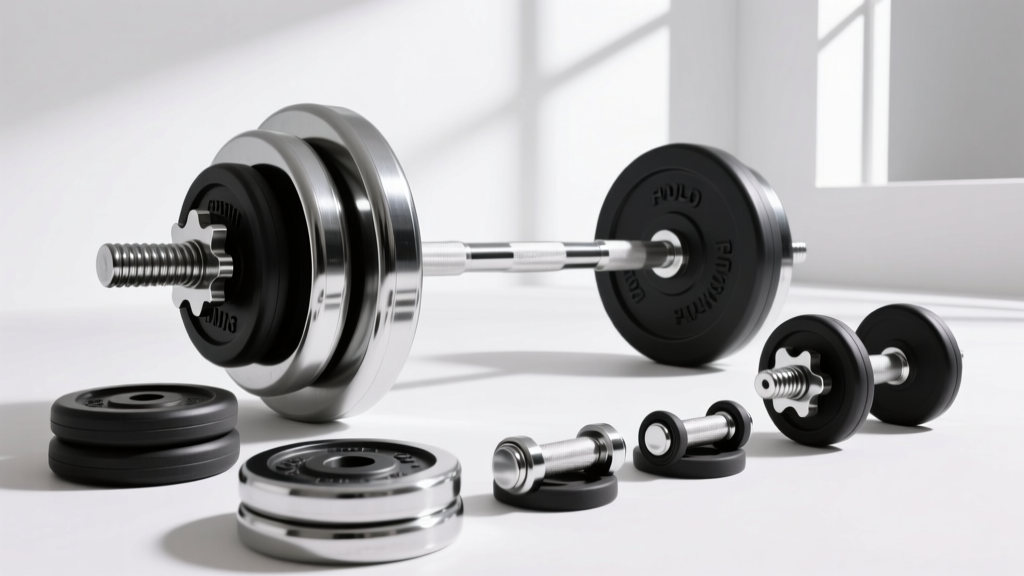
Oblique Dumbbell Setup: Barbell Collar and Clamp Types Compared
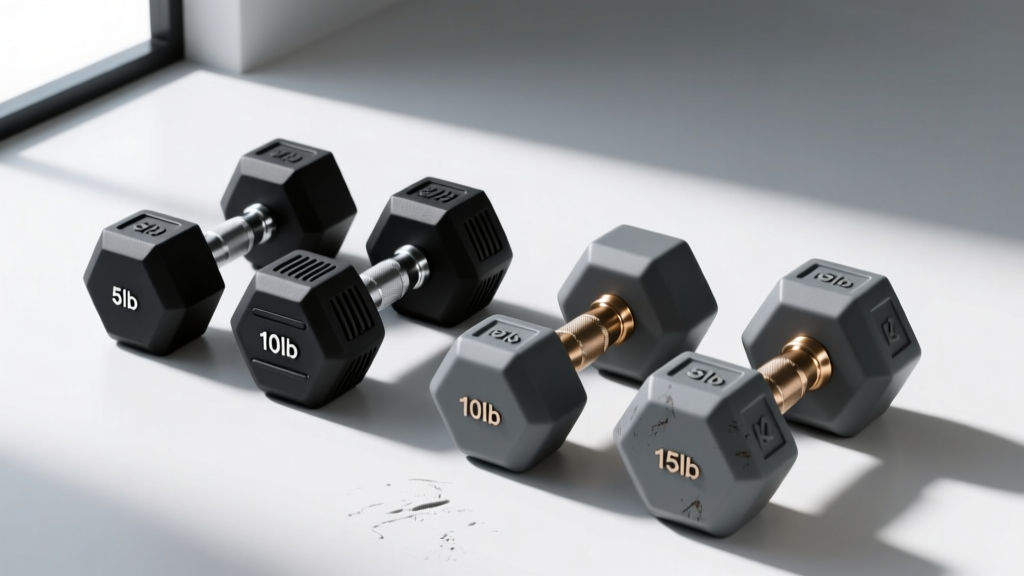
2026 Trends: Rubber Hex vs Urethane Dumbbell Chop Exercise

TRX Dumbbells & Neoprene Weights: The Ultimate 2026 Home Gym Guide
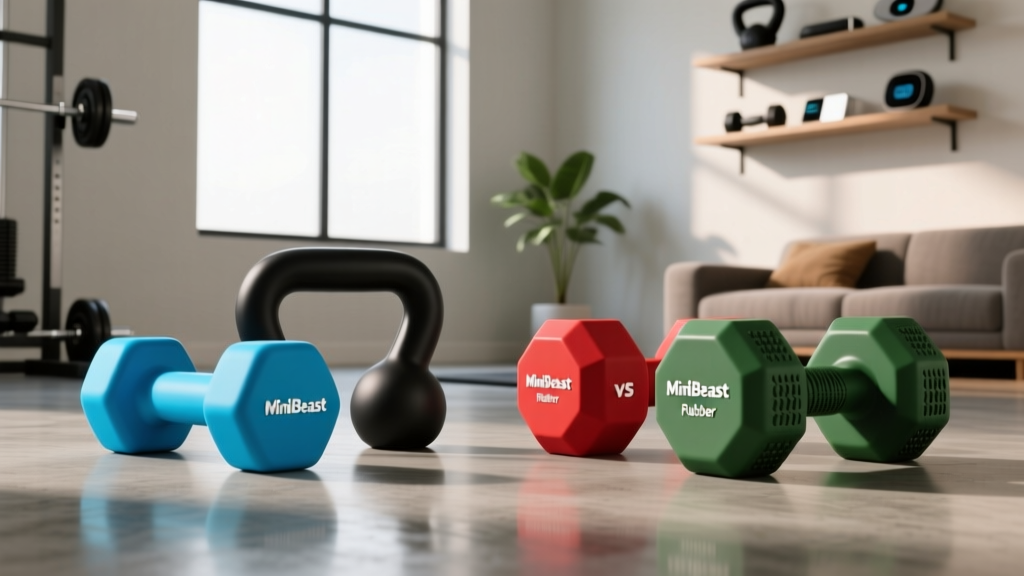
2026 Market Analysis: MiniBeast Dumbbells vs Rubber Hex Trends
