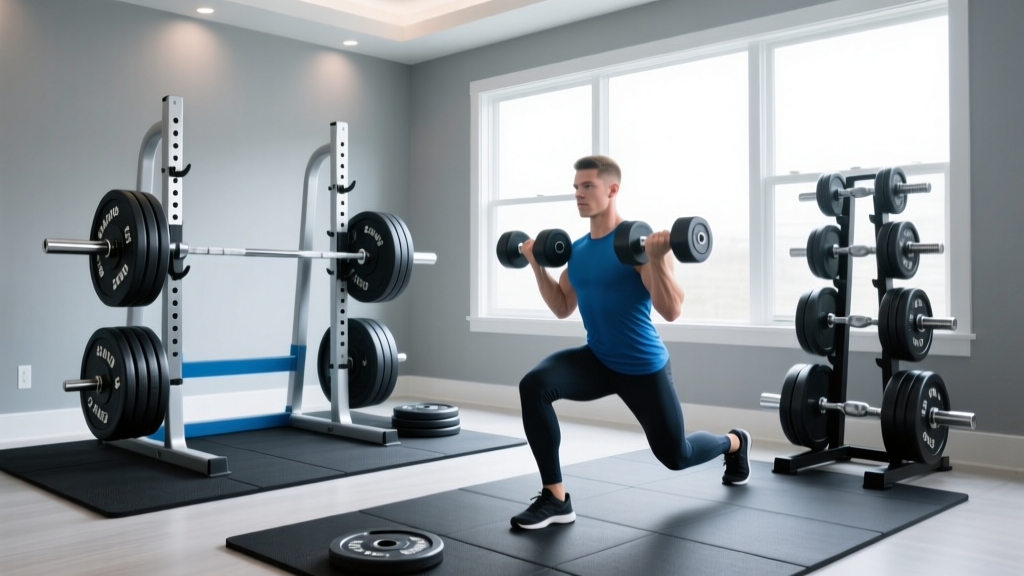
Olympic Barbell Guide: Beyond Workouts With Dumbbells Women's
Master Olympic barbell weight tolerances and knurling patterns. The ultimate 2026 buying guide for lifters transitioning from dumbbells to heavy steel.

Many lifters begin their strength journey with the high-rep, isolation-focused workouts with dumbbells women's fitness communities frequently recommend. While dumbbells are exceptional for unilateral stability, joint health, and hypertrophy, progressing to heavy compound lifts like the squat, deadlift, and Olympic clean requires an entirely different tool: the Olympic barbell. Unlike the typical workouts with dumbbells women's fitness influencers often showcase on social media, heavy barbell training demands a precise, unforgiving interface between your hands and the steel.
Choosing the right Olympic barbell is not as simple as picking up a 45-pound stick of metal. In the 2026 market, the nuances of weight tolerance, knurling profiles, and shaft metallurgy separate a lifetime investment from a dangerous, bending liability. This in-depth buying guide dissects the critical engineering elements of Olympic barbells to help you make an informed purchase.
The Physics of Barbell Weight: Tolerances and Standards
A standard men's Olympic barbell weighs exactly 20 kilograms (44.09 pounds), while a women's specification bar weighs 15 kilograms (33.07 pounds) and features a slightly thinner 25mm shaft compared to the standard 28mm or 28.5mm shaft. However, the stated weight on the box is only half the story; weight tolerance is where premium brands justify their price tags.
Data Highlight: Weight Tolerance Tiers (2026)
- Budget/Entry-Level ($150 - $220): +/- 50 grams to +/- 100 grams. Acceptable for general fitness, but fails IWF competition standards.
- Mid-Tier/Multipurpose ($250 - $400): +/- 15 grams to +/- 30 grams. The sweet spot for 90% of home gym owners. (e.g., Rogue Ohio Bar).
- Elite/Competition ($800 - $1,200+): +/- 10 grams or less. Calibrated for International Weightlifting Federation (IWF) and International Powerlifting Federation (IPF) sanctions. (e.g., Eleiko IWF Weightlifting Bar).
When you are attempting a one-rep max deadlift or a precise clean and jerk, a bar that is secretly 46 pounds throws off your progressive overload tracking. Always check the manufacturer's published weight tolerance before purchasing.
Decoding Knurling: The Grip Interface
Knurling is the cross-hatched pattern machined into the steel shaft. It is the single most subjective and critical feature of a barbell. According to BarBend's comprehensive guide to barbell knurling profiles, knurling is categorized by its geometric shape and depth, which drastically alters how the bar feels during high-volume or heavy-load sessions.
The Three Primary Knurl Profiles
- Mountain (Aggressive): Features sharp, prominent peaks. Common on cheap, mass-produced import bars. It provides immense grip but will tear calluses and shred skin during high-rep WODs or dynamic Olympic lifts.
- Hill (Moderate/Passive): The peaks are flattened or rounded off. Excellent for high-volume training and beginners transitioning from dumbbells, but may feel 'slippery' during heavy 1RM deadlifts without chalk.
- Volcano (Deep & Sharp): The gold standard for premium 2026 barbells. The machining cuts deep into the steel, creating a crater-like effect with sharp edges at the rim. It provides aggressive grip without the skin-tearing sharpness of a mountain knurl. Rogue Fitness popularized their proprietary Volcano knurl on the Ohio Bar, and it remains the benchmark for multipurpose bars.
Knurling Profile Comparison Matrix
| Barbell Model (2026) | Knurl Type | Aggressiveness (1-10) | Best Use Case | Est. Price |
|---|---|---|---|---|
| Rogue Ohio Bar | Volcano | 7/10 | Multipurpose / CrossFit | $295 |
| Rep Fitness Excalibur | Deep Volcano | 9/10 | Powerlifting / Heavy Deadlifts | $330 |
| Bella Bar (Women's 15kg) | Moderate Hill | 4/10 | Olympic Weightlifting / High Rep | $235 |
| Eleiko IWF Competition | Refined Volcano | 6/10 | Elite Olympic Weightlifting | $1,150 |
Knurl Markings and the Center Knurl Debate
Look closely at the knurling on any reputable Olympic barbell, and you will notice smooth, unknurled rings etched into the steel. These markings are not decorative; they are governed by international federations to ensure standardized hand placement.
- IWF Markings (Single Ring): Placed 910mm apart. Designed for the wide snatch grip used in Olympic weightlifting.
- IPF Markings (Dual Ring): Placed 810mm apart. Designed for the narrower, more upright grip used in powerlifting bench presses.
- Dual-Marked Bars: Multipurpose bars feature both rings, making them ideal for general strength athletes who practice both disciplines.
The Center Knurl: To Keep or To Omit?
The center knurl is a small band of knurling in the exact middle of the shaft. Powerlifting federations mandate a center knurl to help the bar grip the lifter's back during heavy low-bar squats. However, for athletes performing high-rep cleans or front squats, a center knurl will aggressively scrape the clavicles and neck. According to Garage Gym Reviews' extensive barbell testing database, the modern trend for home gym multipurpose bars heavily favors no center knurl to prioritize comfort during dynamic movements.
Real-World Failure Modes: What to Avoid in 2026
When investing $300 to $1,000 in a barbell, you must understand how they fail. The most common points of failure are not the steel snapping, but rather the sleeve assembly and the finish degrading.
Warning: Snap Ring vs. Bolt-On EndcapsAvoid ultra-budget bars that use cheap C-clip snap rings to secure the sleeves. Under heavy axial loading (like dropping a barbell during a missed clean), snap rings can dislodge, causing the sleeve and bearings to slide off the shaft mid-lift. Always look for bars with bolt-on endcaps or heavy-duty roll pins, which secure the internal bushing or needle-bearing assembly permanently.
Bushing vs. Bearing: Choosing the Right Rotation
The internal mechanism dictates how fast the sleeve spins independently of the shaft.
- Bronze/Composite Bushings: Provide a slower, more controlled spin. Ideal for powerlifting and general strength where you don't want the bar spinning out of your hands during a bench press or deadlift.
- Needle Bearings: Allow for rapid, frictionless sleeve rotation. Mandatory for Olympic weightlifting (snatches and cleans) to prevent the bar's rotational inertia from tearing your wrists during the catch phase.
2026 Market Pricing & Value Framework
The barbell market has matured significantly. In 2026, you no longer need to spend $800 to get a bar that will last a lifetime. Here is the actionable decision framework for your purchase:
- The 'Forever' Multipurpose Bar ($280 - $350): If you are transitioning from dumbbells and want one bar to do it all, buy a 190k to 205k PSI tensile strength shaft with a volcano knurl, composite bushings, and a Cerakote or hard chrome finish. The Rogue Ohio Bar or Rep Fitness Double Black Oxide Bar are the undisputed kings of this tier.
- The Dedicated Powerlifting Bar ($320 - $400): Look for a 29mm shaft (stiffer, less whip), aggressive volcano knurl, center knurl, and IPF markings. The Titan Power Bar or Rep Excalibur offer elite grip for heavy deadlifts.
- The Women's Specification Bar ($220 - $280): For lifters with smaller hands or those strictly focusing on Olympic lifts, a 15kg bar with a 25mm shaft and needle bearings is non-negotiable. The Rogue Bella Bar remains the gold standard here.
Final Synthesis
Moving beyond the foundational workouts with dumbbells women's routines rely on requires respecting the engineering of the tools you use. An Olympic barbell is a precision instrument. By prioritizing a verified weight tolerance, selecting a knurl profile that matches your specific lifting discipline (volcano for grip, hill for volume), and ensuring a robust sleeve assembly, you secure a piece of equipment that will safely support your strength progression for decades. Do not compromise on the steel; your joints and your grip will thank you.
More gear to consider
All reviews
Pectoral Muscle Exercises With Dumbbells: Plate Guide

Chest Supported Dumbbell Lateral Raise: Rubber vs Urethane

Budget Loadable Dumbbells & The Alternating Dumbbell Biceps Curl
Power Rack vs Squat Rack vs Stand: The Fair Haired Dumbbell

Rubber Hex vs Urethane: Space & Dumbbell Shoulder Workouts for Men