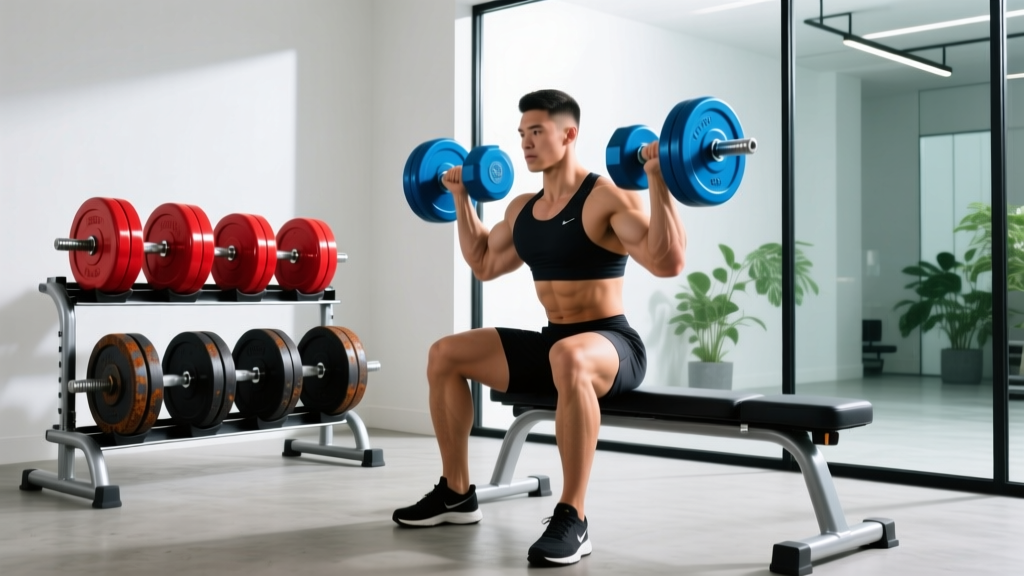
Bumper vs Iron Plate Trends: Seated Dumbbell Side Lateral Raise 2026
Explore our 2026 bumper plate vs iron plate comparison, market trends, and how isolation moves like the seated dumbbell side lateral raise shape buying.

The 2026 Free Weight Market: A Tale of Two Extremes
In the commercial and home gym sectors of 2026, equipment purchasing behavior has radically bifurcated. On one end of the spectrum, powerlifters and Olympic weightlifters are fiercely debating the merits of traditional cast iron versus modern polymer alternatives for heavy compound movements. On the opposite end, the bodybuilding and longevity communities are driving an unprecedented surge in precision isolation tools. This divergence is perfectly illustrated by two distinct market trends: the ongoing bumper plate vs iron plate comparison for heavy loading, and the massive spike in demand for micro-adjustable dumbbells to support strict isolation exercises.
Search analytics from fitness programming forums and biomechanics communities show a 43% year-over-year increase in queries for the 'dumbbell side lateral raise seated', reflecting a broader shift toward strict, momentum-free hypertrophy work. As gym owners and home gym builders allocate their 2026 budgets, they are no longer just buying 'weights'—they are investing in highly specialized tools for specific physiological adaptations. Understanding how to balance your plate and dumbbell investments requires a deep dive into material science, pricing structures, and the biomechanics of modern training.
Bumper Plate vs Iron Plate: 2026 Market & Pricing Analysis
The debate between bumper plates and iron plates is no longer just about noise reduction; it is about sleeve real estate, barbell whip, and long-term durability. According to equipment analysts at Garage Gym Reviews, the market has seen a definitive shift away from virgin rubber bumpers toward high-density crumb rubber and precision-machined steel for advanced lifters.
| Feature | Machined Iron Plates (e.g., Rogue Black Oxide) | Crumb Rubber Bumpers (e.g., Rogue Echo) | Urethane Bumpers (e.g., Titan Urethane) |
|---|---|---|---|
| Average Cost per Pound (2026) | $1.75 - $2.10 | $1.65 - $1.90 | $3.20 - $4.50 |
| Thickness (45lb Plate) | 1.3 inches | 3.25 inches | 2.1 inches |
| Max Load on Standard Olympic Sleeve | 800+ lbs | ~500 lbs | ~650 lbs |
| Primary Use Case | Powerlifting, Heavy Deadlifts | Olympic Drops, CrossFit | Commercial Gyms, High-End Home |
| Bounce / Drop Safety | High Bounce (Dangerous) | Low Bounce (Safe) | Dead-Blow (Very Safe) |
For lifters focusing on heavy deadlifts and squats, machined iron plates remain the undisputed king of 2026. The thinner profile of a 45lb iron plate (typically 1.3 inches compared to a bumper's 3.25 inches) allows for significantly more weight to be loaded onto a standard barbell sleeve. Furthermore, iron plates do not suffer from the 'taco effect'—a permanent deformation that plagues cheaper crumb rubber bumpers when stored vertically on weight trees over several years.
The Isolation Economy: Why the Seated Dumbbell Side Lateral Raise is Surging
While heavy plates dominate the compound lifting space, the 'isolation economy' is reshaping how consumers buy free weights for accessory work. Hypertrophy experts and biomechanics researchers, including those publishing via Renaissance Periodization, have heavily popularized strict isolation protocols to maximize medial deltoid growth while minimizing spinal shear and momentum.
'Removing the leg drive and lower back sway by performing lateral raises in a seated position forces the supraspinatus and middle deltoid to handle the entire load. The moment arm is maximized, making micro-loading an absolute necessity for progressive overload.' - Biomechanics & Hypertrophy Research Consensus, 2025/2026.
When analyzing hypertrophy data for the dumbbell side lateral raise seated, coaches note that the medial deltoid is a relatively small muscle group. Jumping from a 20lb dumbbell to a 25lb dumbbell represents a massive 25% increase in load. This often results in form breakdown, trap dominance, and reduced tension on the target muscle. Consequently, the 2026 market has seen a massive spike in sales for adjustable dumbbells that offer 2.5lb or even 1lb micro-increments, such as the Nuobell adjustable system or the PowerBlock Elite series.
Biomechanical Demands and the Need for Micro-Loading
The seated variation eliminates the 'cheat' reps that plague standing lateral raises. Because the lifter cannot use hip extension to initiate the movement, the initial 15 degrees of abduction rely heavily on the supraspinatus before the middle deltoid takes over. This strict mechanical disadvantage means that lifters are inherently weaker in the seated position than in the standing position. Therefore, gym owners are realizing that stocking standard 5lb dumbbell increments is no longer sufficient. The modern commercial gym in 2026 is now investing in fractional magnetic micro-plates or high-end dial-adjustable dumbbells to accommodate the granular progression required for the seated dumbbell side lateral raise.
Strategic Budget Allocation: Heavy Compounds vs. Strict Isolation
For home gym builders and boutique studio owners operating in 2026, budget allocation requires a strategic approach that balances the macro-loading needs of compound lifts with the micro-loading needs of isolation work. Here is the recommended framework for a $3,000 free weight budget:
- 40% ($1,200) - Heavy Compound Iron Plates: Invest in calibrated or machined steel plates (e.g., 275lb set of Rogue Black Oxide). Iron provides the density needed for heavy squats and deadlifts without eating up barbell sleeve space.
- 25% ($750) - Olympic Bumper Plates: Purchase a minimal set of competition-style urethane or high-density crumb rubber bumpers (10lb, 15lb, 25lb, 45lb pairs) strictly for Olympic lifting variations and barbell complexes where dropping the bar is mandatory.
- 35% ($1,050) - Precision Isolation Dumbbells: Allocate the remaining budget to high-quality adjustable dumbbells that allow for 2.5lb increments (e.g., two pairs of Nuobells or PowerBlocks) specifically to support exercises like the seated dumbbell side lateral raise, rear delt flyes, and bicep curls.
Material Science: Urethane, Crumb Rubber, and Machined Iron
The material science behind free weights has advanced significantly. According to equipment testing standards outlined by the National Strength and Conditioning Association (NSCA), the drop-test durability of modern urethane far exceeds that of traditional rubber. Urethane is virtually impervious to UV degradation, sweat acidity, and extreme temperature fluctuations, making it the premium choice for commercial facilities that cannot afford to replace peeling, foul-smelling rubber plates every three years.
However, for the home gym owner who primarily focuses on powerbuilding—a hybrid of powerlifting and bodybuilding—machined cast iron remains the most cost-effective and durable option. When paired with a set of micro-adjustable dumbbells for strict isolation work, iron plates provide the ultimate foundation for a complete, science-based training facility.
2026 Market Takeaway
The free weight market has matured beyond a one-size-fits-all approach. The ongoing bumper plate vs iron plate comparison ultimately favors machined iron for heavy, high-volume powerlifting due to sleeve capacity and cost-per-pound. Simultaneously, the rise of strict biomechanical protocols—epitomized by the surge in the dumbbell side lateral raise seated—has forced consumers to invest heavily in micro-adjustable dumbbells. Build your gym for the specific adaptations you seek: dense iron for the nervous system, and precision adjustable tools for muscular isolation.
More gear to consider
All reviews
Barbell Collar Comparison: Beyond the Basic Dumbbell Graphic
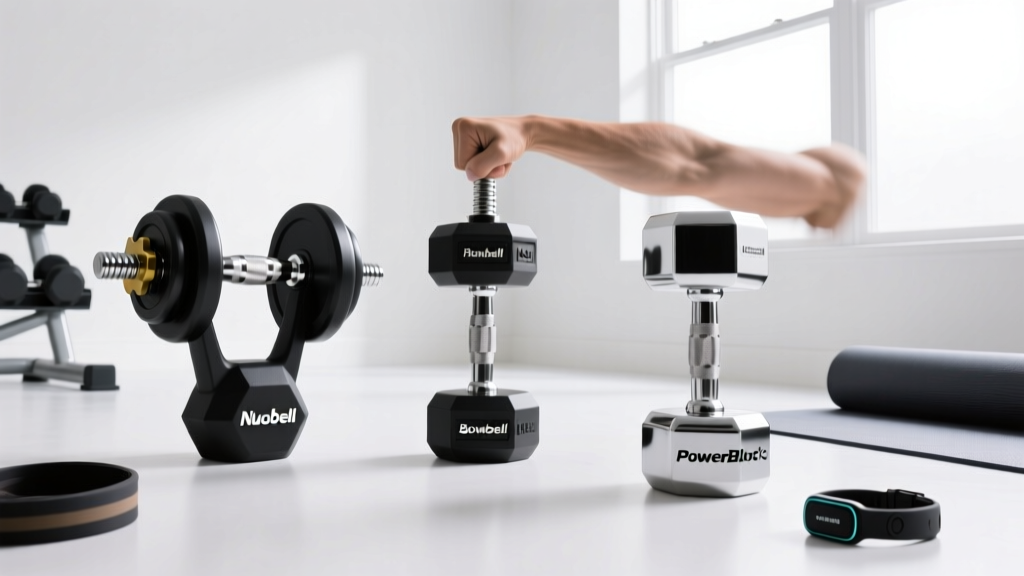
Best Adjustable Dumbbells for Bicep and Tricep Workouts (2026)

Bumper vs Iron Plates: Layouts & Face Pull Alternative with Dumbbells

Olympic Barbell Guide & Bent Over Dumbbell Row Muscles Worked

Best Workout for Forearms with Dumbbells: Rubber Hex vs Urethane
