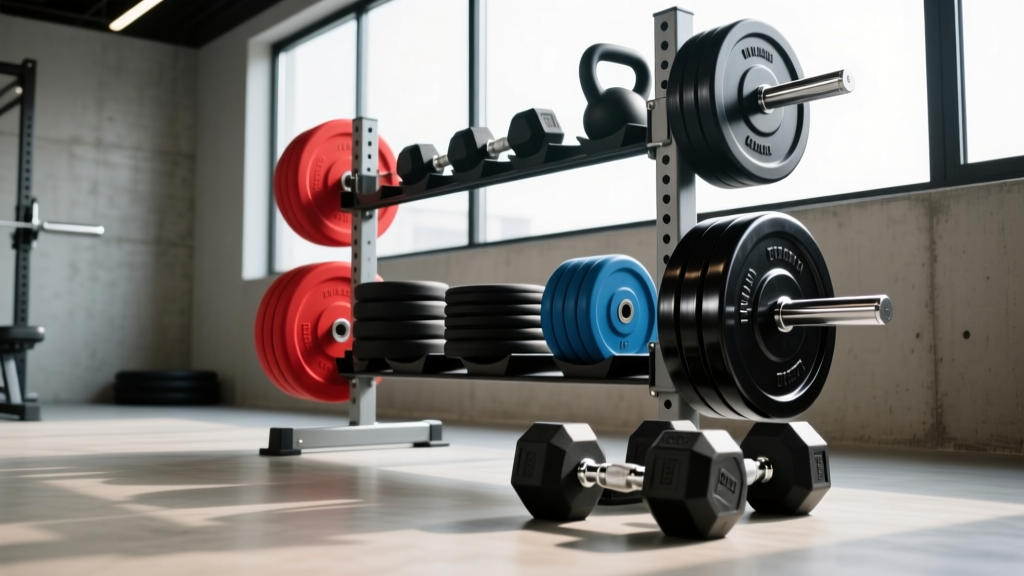
Bumper vs Iron Plates: Fund the Best Glute Exercises with Dumbbells
Compare bumper vs iron plates to optimize your home gym budget, saving funds for the adjustable dumbbells needed for the best glute exercises.

The 2026 Home Gym Budget Dilemma: Plates vs. Dumbbells
Building a functional, high-ROI home gym requires ruthless financial prioritization. Every dollar spent on one piece of equipment is a dollar siphoned away from another. For lifters focused on lower-body hypertrophy and athletic performance, this creates a distinct budgetary bottleneck: the choice between bumper plates and cast iron plates. While the debate is often framed around noise reduction or Olympic lifting mechanics, the most critical factor for the average home gym owner in 2026 is opportunity cost.
If you overspend on premium urethane bumper plates, you may not have the capital left to purchase the high-quality adjustable dumbbells required to perform the best glute exercises with dumbbells—such as heavy Bulgarian split squats, B-stance Romanian deadlifts (RDLs), and deficit reverse lunges. Unilateral glute training demands heavy, incremental loading, which necessitates a premium adjustable dumbbell set (like the Nuobell 80s or PowerBlock Elite USA) costing between $350 and $500. This guide breaks down the true cost-per-pound, lifespan, and application-specific value of bumper versus iron plates, providing a strategic framework to maximize your total gym budget.
Cost-Per-Pound Matrix: The Raw Numbers
Before analyzing biomechanics and flooring, we must look at the raw financial data. The price gap between iron and rubber has widened slightly in 2026 due to global shipping weights and raw rubber tariffs. Below is a comparative breakdown of current market averages for standard Olympic-sized plates.
| Feature | Cast Iron Plates (Enamel/Machined) | Crumb Rubber Bumpers | Virgin Rubber Bumpers |
|---|---|---|---|
| Average Cost Per Pound | $1.20 - $1.60 | $1.80 - $2.20 | $2.50 - $3.50 |
| Thickness (45lb Plate) | 1.1" - 1.3" | 3.5" - 4.0" | 3.0" - 3.2" |
| Drop Rating | Low (Will crack floors) | Medium (High bounce) | High (Dead bounce) |
| Maintenance Required | Occasional oiling / rust prevention | Minimal | Minimal |
| Estimated 300lb Set Cost | $360 - $480 | $540 - $660 | $750 - $1,050 |
Budget Insight: The Shipping Trap
When sourcing budget iron plates from local marketplaces (Facebook Marketplace, Craigslist, or estate sales), you can often find used sets for as low as $0.75 to $1.00 per pound. Bumper plates rarely depreciate this heavily. Buying used iron locally saves you the exorbitant freight shipping fees associated with ordering 300+ lbs of new metal online, instantly freeing up $150+ in your equipment budget.
The Opportunity Cost: Funding the Best Glute Exercises with Dumbbells
Why does your plate selection directly impact your glute training? According to biomechanical analyses published by the American Council on Exercise (ACE), maximal gluteus maximus activation often occurs during unilateral movements that require deep ranges of motion and independent limb stabilization. Barbell hip thrusts are excellent, but exercises like the B-stance RDL and heavy walking lunges are unparalleled for fixing muscular imbalances and driving hypertrophy.
To perform the best glute exercises with dumbbells effectively, you need dumbbells that scale up to at least 70-80 lbs per hand. Fixed hex dumbbells are financially ruinous for home gyms, requiring thousands of dollars and massive storage racks. Therefore, adjustable dumbbells are the only logical choice.
The Reallocation Strategy
Let us run a practical budget scenario for a lifter with a $1,000 free-weight budget:
- Scenario A (The Bumper Purist): You spend $800 on a 300lb set of virgin rubber bumpers (e.g., Rogue Echo Bumpers). You have $200 left. You are forced to buy a cheap pair of fixed 30lb hex dumbbells. Your heavy unilateral glute training is severely capped.
- Scenario B (The Iron Pragmatist): You source a 300lb used cast iron set locally for $300. You have $700 remaining. You purchase a pair of Nuobell 80lb adjustable dumbbells ($429) and a highly adjustable FID bench ($200). You now have a complete, heavy-duty unilateral glute training station.
Application-Specific Value: When Bumpers Are Worth the Premium
Cast iron is not the universal answer. Bumper plates command a premium for specific, highly valid reasons. If your training style aligns with the following edge cases, the ROI of bumpers justifies the cost, even if it means delaying your premium dumbbell purchase.
1. Olympic Weightlifting and Garage Drop Zones
If your programming includes high-volume cleans, snatches, or heavy jerk variations, dropping the barbell is a biomechanical necessity, not an option. Dropping cast iron from overhead will catastrophically fail your flooring, bend your barbell sleeves, and potentially crack the concrete slab of your garage. Virgin rubber bumpers with a high Shore A durometer rating absorb the kinetic energy, protecting your infrastructure.
2. The 'Dead Bounce' Safety Factor
Cheap crumb rubber bumpers have a 'lively' bounce, meaning a dropped barbell can ricochet unpredictably—a massive safety hazard in a cramped home gym. Premium virgin rubber offers a 'dead bounce.' As noted in comprehensive equipment reviews by BarBend, the dead bounce of high-quality bumpers keeps the barbell exactly where it lands, which is critical for rapid touch-and-go reps during heavy CrossFit or functional fitness WODs.
Application-Specific Value: When Cast Iron Reigns Supreme
For powerlifters, bodybuilders, and those strictly focused on controlled hypertrophy (where the bar is never intentionally dropped), cast iron offers superior functional value.
1. Barbell Sleeve Capacity Limits
This is a frequently overlooked failure mode for home gym owners. A standard Olympic barbell sleeve is roughly 16.3 inches long. Because a 45lb bumper plate is over three times as thick as a 45lb machined iron plate, you will physically run out of barbell space much faster with bumpers. If you are a strong deadlifter aiming to pull 500+ lbs, you may not be able to fit enough bumper plates on the bar. Iron plates allow you to load well over 600 lbs on a standard barbell sleeve.
2. Tactile Feedback and Grip
Machined cast iron plates (like the Rogue Deep Dish or Titan Machined plates) feature raised lips and precise edges, making them significantly easier to grip off the floor for plate-loaded dumbbell variations or manual carrying. Bumpers, with their smooth, wide rubber profiles, can be cumbersome to handle during plate-loaded accessory work.
'The best equipment is the equipment that removes friction from your training. If your plates prevent you from loading the bar efficiently, or if your lack of heavy dumbbells prevents you from executing a proper Bulgarian split squat, your budget allocation has failed you.'
The 2026 Hybrid Budget Framework
You do not have to choose exclusively between iron and rubber. The smartest home gym owners in 2026 utilize a hybrid approach to balance floor protection, sleeve capacity, and overall budget.
- Step 1: Buy a Pair of Technique Bumpers. Purchase one pair of 15lb or 25lb technique bumper plates. These are essential for learning Olympic movements, practicing deadlift form from the correct starting height, and performing occasional drop-sets safely.
- Step 2: Source Used Iron for Mass. Buy the bulk of your weight (the 45s and 25s) in cast iron from local second-hand markets. This keeps your cost-per-pound under $1.00.
- Step 3: Invest in Flooring. Take the $300 you saved by choosing iron over a full bumper set and invest it in 3/4-inch thick horse stall mats (typically $50-$70 each at local farm supply stores). This creates a drop-zone that protects your floor from the iron plates during heavy deadlifts.
- Step 4: Fund the Dumbbells. With the remaining capital, purchase a high-end adjustable dumbbell set to unlock the full spectrum of unilateral leg and glute training.
Final Verdict: Maximizing Your ROI
The choice between bumper plates and iron plates is rarely about which is objectively 'better'; it is about which solves your specific training problems without bankrupting your equipment fund. If you are an Olympic weightlifter, the premium for virgin rubber bumpers is a non-negotiable infrastructure cost. However, for the vast majority of lifters whose primary goals revolve around strength, hypertrophy, and executing the best glute exercises with dumbbells, cast iron paired with heavy-duty flooring is the undisputed champion of value. By refusing to overpay for rubber you do not need, you secure the capital required for the heavy, adjustable dumbbells that will truly transform your physique.
More gear to consider
All reviews
Adjustable Dumbbell Setup: Single Arm Dumbbell Row Benefits
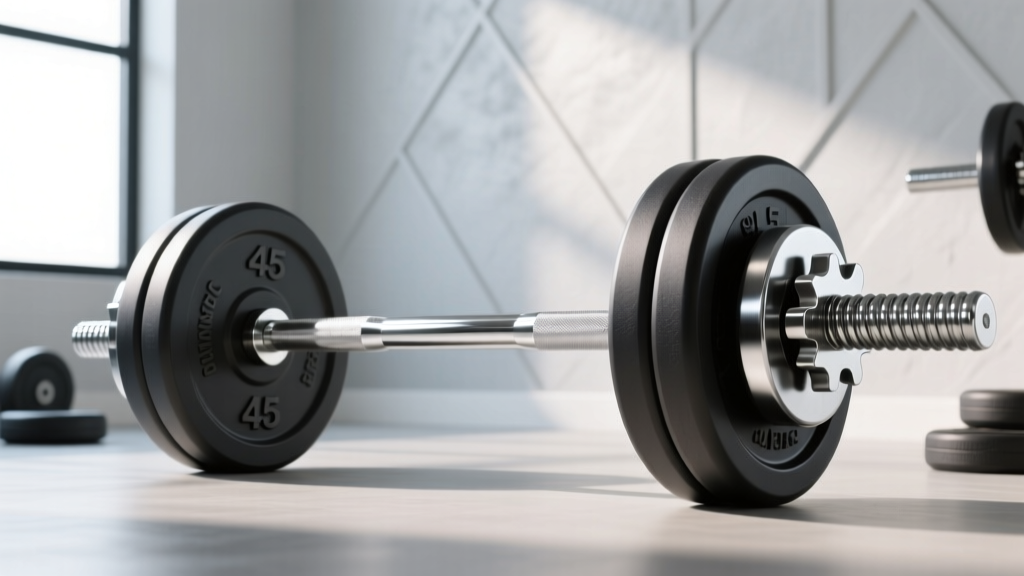
Collar and Clamp Types Comparison for the Unilateral Dumbbell Row
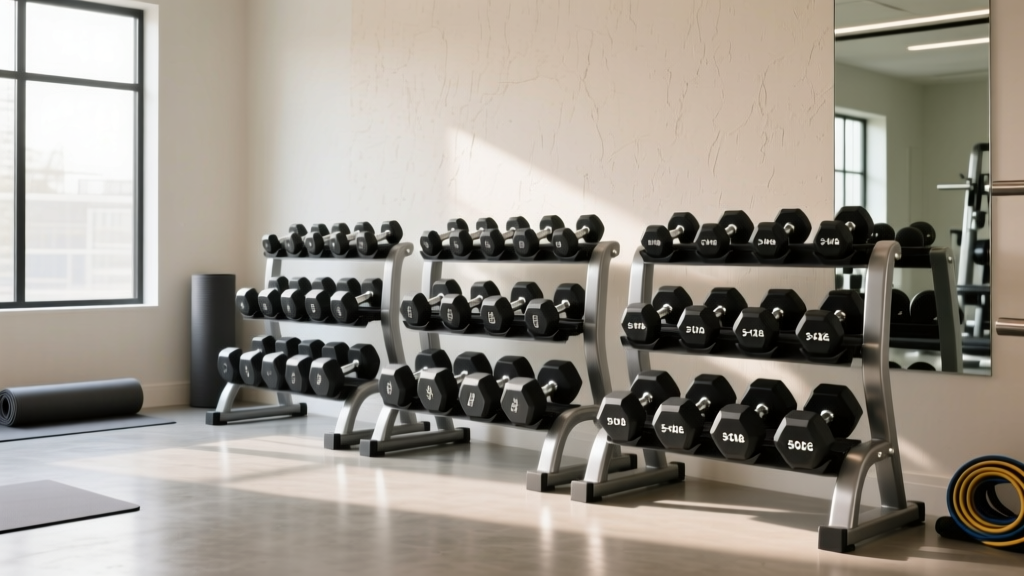
Top 2026 Dumbbell Racks for Basic Dumbbell Exercises for Arms

4 Day Dumbbell Workout Split: Cast Iron vs Competition Kettlebells
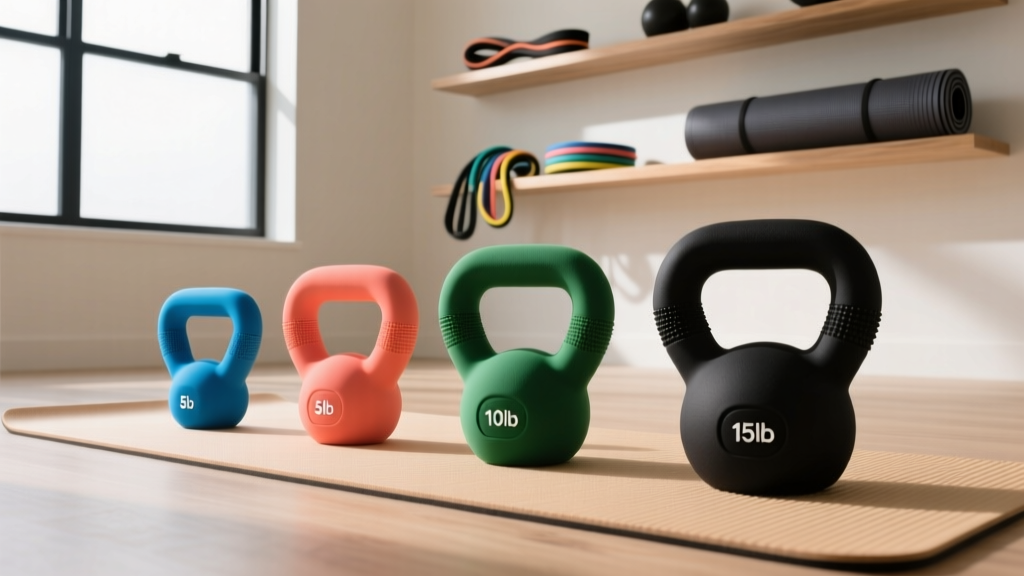
Best Neoprene Dumbbells for a Home Dumbbell Exercise Plan
