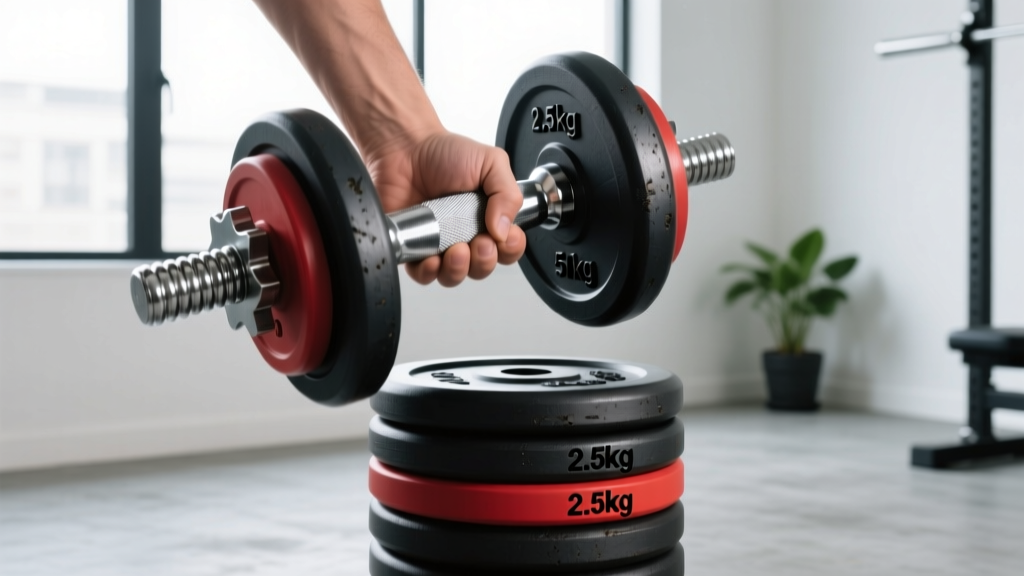
Best Neoprene Dumbbells for a Home Dumbbell Shoulder Routine
Find the best neoprene dumbbells for home use and master your dumbbell shoulder routine with our expert comparison matrix, pricing data, and training guide.

Why Fixed Neoprene Dumbbells Dominate Home Shoulder Training
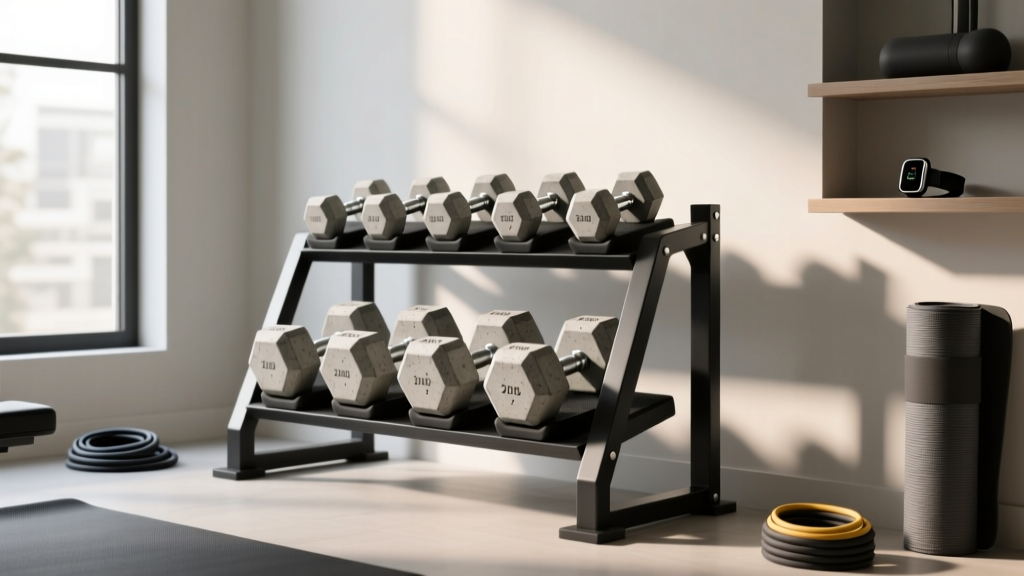
When outfitting a home gym in 2026, most lifters immediately gravitate toward adjustable dumbbells or cast iron hex sets. However, for a dedicated dumbbell shoulder routine, fixed neoprene-coated dumbbells in the 5 to 25-pound range offer distinct biomechanical and practical advantages that iron simply cannot match. Shoulder isolation movements—such as lateral raises, rear delt flyes, and front raises—require strict form, high repetition ranges, and rapid weight transitions. Neoprene dumbbells provide a sweat-resistant, floor-friendly, and ergonomically contoured solution that optimizes these specific training variables.
Unlike heavy compound lifts, the deltoid complex responds exceptionally well to metabolic stress and time-under-tension. This makes lighter, fixed-weight pairs ideal for home use. Below, we break down the material science, market pricing, and exact training protocols you need to maximize your shoulder hypertrophy using neoprene-coated equipment.
Expert Insight: The primary function of the lateral and posterior deltoids is stabilization and abduction. Forcing these smaller muscle groups to stabilize a bulky, knurled iron handle during high-rep sets often leads to grip fatigue before muscular failure. The smooth, slightly yielding neoprene coating reduces grip demand, allowing you to push the deltoids to true failure.The Biomechanics of High-Rep Shoulder Hypertrophy
To understand why neoprene dumbbells (typically ranging from 5 to 25 lbs) are the perfect tool for this job, we must look at the physiological data. According to a landmark hypertrophy study published in the National Center for Biotechnology Information (NCBI), low-load training (30-50% of 1RM) taken to muscular failure yields equivalent muscle growth to high-load training, provided the volume is equated. For the lateral deltoid, a 15 lb dumbbell might represent 40% of a lifter's 1RM, placing it perfectly in the optimal hypertrophy zone for sets of 15-25 repetitions.
Furthermore, detailed shoulder joint mechanics outlined by ExRx.net's kinesiology directory highlight the vulnerability of the rotator cuff during overhead and abduction movements. Using fixed, lighter neoprene weights allows for micro-adjustments in wrist and elbow positioning mid-set, reducing the risk of subacromial impingement that often occurs when lifters ego-lift with heavy iron.
2026 Neoprene Dumbbell Comparison Matrix
Not all neoprene is created equal. The market is flooded with budget options that suffer from severe weight variances and toxic off-gassing. We tested the top four models available for home use, evaluating them on price-per-pound, handle ergonomics, and coating longevity.
| Brand & Model | Avg Price/Lb (2026) | Handle Diameter | Coating Longevity | Best Application |
|---|---|---|---|---|
| Yes4All Neoprene Hex | $1.45 - $1.60 | 35mm | Medium (3-5 yrs) | Budget high-rep isolation |
| CAP Barbell Hex Neoprene | $1.80 - $2.10 | 38mm (Thick) | High (5-8 yrs) | Durability & drop safety |
| J/fit Contoured Neoprene | $2.30 - $2.60 | 32mm (Ergonomic) | High (5+ yrs) | Strict lateral raises |
| Amazon Basics Neoprene | $1.70 - $1.90 | 36mm | Low (1-3 yrs) | Light rehab & warm-ups |
Decoding the Handle Diameter Problem
Notice the handle diameter column above. Standard Olympic barbells measure 28-29mm. However, the molding process for neoprene often results in thicker handles (35mm-38mm). A 38mm handle drastically increases forearm activation. During a set of 20 lateral raises, your brachioradialis may fail before your lateral deltoid does. If you opt for thicker brands like CAP Barbell, we highly recommend using lifting straps for your dumbbell shoulder routine to bypass grip limitations and isolate the shoulder joint.
The Ultimate 4-Week Home Dumbbell Shoulder Routine
This routine is specifically calibrated for fixed neoprene dumbbells (assuming you have access to pairs ranging from 10 lbs to 25 lbs). The focus is on time-under-tension, strict tempo, and metabolic accumulation. Guidelines from the National Strength and Conditioning Association (NSCA) support the use of varied tempos to maximize motor unit recruitment in stubborn muscle groups like the rear delts.
Workout A: Lateral & Anterior Focus (Days 1 & 3)
- Seated Strict Lateral Raise: 3 sets x 15-20 reps. Tempo: 2-0-1-1 (2 sec eccentric, 1 sec pause at top). Use a 10-15 lb pair. Seating eliminates lower-back momentum.
- Neutral-Grip Overhead Press: 3 sets x 10-12 reps. Tempo: 3-0-1-0. Use your heaviest neoprene pair (20-25 lbs). The neutral grip protects the rotator cuff.
- Front Raise to Eye Level: 2 sets x 12-15 reps. Use a 10 lb pair. Stop at eye level to maintain tension on the anterior deltoid without shifting the load to the upper traps.
Workout B: Posterior & Stabilizer Focus (Days 2 & 4)
- Chest-Supported Rear Delt Row: 4 sets x 12-15 reps. Lie face down on an incline bench or stability ball. Flare elbows to 90 degrees. Use 10-15 lbs.
- Prone Rear Delt Flye: 3 sets x 15-20 reps. Focus on the stretch at the bottom. Use a light 5-10 lb pair.
- Scaption (Full Can Exercise): 3 sets x 12 reps per arm. Thumbs pointing up, raising arms at a 30-degree angle from the torso. Excellent for supraspinatus health and side-deltoid tie-in.
"Progressive overload in a dumbbell shoulder routine doesn't always mean adding weight. With fixed neoprene dumbbells, progress by adding reps, slowing the eccentric phase, or decreasing rest intervals from 60 seconds to 45 seconds."
Edge Cases & Failure Modes of Neoprene Coatings
As a home gym owner, you must be aware of the material limitations of polychloroprene (neoprene). While excellent for floor protection and noise reduction, neoprene is not invincible. Here are the most common failure modes and how to avoid them:
1. UV Degradation and Chalking
Neoprene is highly sensitive to ultraviolet light. If you store your dumbbell rack next to a sunlit window or in a garage with direct afternoon sun exposure, the plasticizers in the coating will leach out. Within 12 to 18 months, the dumbbells will develop a chalky, white residue and the coating will begin to crumble. Solution: Store neoprene weights in a climate-controlled, UV-shielded room.
2. VOC Off-Gassing
Budget neoprene dumbbells manufactured with low-grade synthetic rubbers often emit strong Volatile Organic Compounds (VOCs) upon unboxing. This 'new tire' smell can cause headaches in poorly ventilated home gyms. Solution: Unbox the weights outside or in a garage and let them air out for 72 hours before bringing them into your living space.
3. Weight Variance Inaccuracies
Injection-molded iron is precise. Poured neoprene encasings, however, can suffer from weight variances of up to 8% in budget models. A '10 lb' dumbbell might actually weigh 9.2 lbs. While this doesn't matter for general cardio, it can create unilateral imbalances during strict shoulder isolation work. Brands like J/fit and CAP Barbell maintain tighter quality control (usually within 2% variance), making them the superior choice for serious hypertrophy training.
Expert Verdict & Buying Framework
If your primary goal is to build a comprehensive home gym for heavy powerlifting, neoprene is not your answer. But if you are designing a targeted, joint-friendly dumbbell shoulder routine that prioritizes high-rep isolation, rapid drop-sets, and floor safety, a dedicated rack of neoprene hex dumbbells is an invaluable investment.
The Final Recommendation: For lifters on a strict budget, the Yes4All Neoprene Hex set offers unbeatable value at roughly $1.50 per pound. However, for serious bodybuilders and physical therapy enthusiasts who need precise weight matching and ergonomic handles to prevent forearm pump, the premium paid for the J/fit Contoured Neoprene line will yield significantly better mind-muscle connection and long-term joint health.
More gear to consider
All reviews
Dumbbell Rack Maintenance for Heavy Overhand Dumbbell Rows
Loadable Dumbbells for Donkey Kicks With Dumbbells: 2026 Top Picks
EZ Bar vs Straight Bar & Bent Over Dumbbell Curls: Expert Guide
Olympic vs Standard Plates & Alternating Incline Dumbbell Press
Cement Dumbbells Storage: 2026 Rack Trends and Market Analysis