Pull Up Alternative with Dumbbells: Neoprene vs. Hex in 2026
Discover the best pull up alternative with dumbbells for home gyms. We compare top 2026 neoprene vs. hex models for floor rows, pullovers, and grip.

The Biomechanics of Dumbbell Pull-Up Alternatives
Building a wide, thick back without a pull-up bar is a common challenge in compact home gyms. When searching for an effective pull up alternative with dumbbells, you must replicate the primary functions of the pull-up: latissimus dorsi stretch, teres major engagement, and scapular retraction. According to the biomechanical databases at ExRx Pull Exercises, achieving this vertical or semi-vertical pulling stimulus requires specific floor-based movements like dumbbell pullovers and deficit renegade rows.
However, the type of dumbbell you use drastically alters the efficacy of these movements. Bare iron rusts and damages floors during floor slides, while hard hex rubber (Shore 80A durometer) can slip on sweat and scuff hardwood. This is where neoprene-coated dumbbells emerge as the undisputed champion for floor-based back training in 2026.
Expert Insight: Neoprene offers a Shore A hardness of roughly 60-65, providing a tacky, sweat-resistant grip that mimics the friction of a chalked pull-up bar, while protecting your flooring during heavy floor-based alternatives.Why Neoprene Dominates Floor-Based Back Work
To effectively use dumbbells as a pull-up substitute, you will spend significant time lying on the floor (for pullovers) or in a plank position (for renegade rows). Neoprene coating provides three distinct advantages for these specific scenarios:
- Acoustic and Surface Dampening: Dropping a 40 lb cast-iron dumbbell during a fatigued pullover set will dent laminate flooring. Neoprene's 2.5mm to 3mm synthetic rubber shell absorbs impact kinetic energy.
- Anti-Slip Tackiness: Unlike urethane or bare steel, neoprene becomes more grippy when exposed to the moisture from sweaty palms, crucial for maintaining a neutral wrist during heavy single-arm rows.
- Thermal Comfort: For floor pullovers, the dumbbell rests against your ribcage and lats. Neoprene is temperature-neutral, unlike freezing bare iron in a garage gym during winter months.
Head-to-Head Matchup: Top 3 Neoprene Dumbbells for Home Use
We tested the three most prominent neoprene dumbbell lines available in 2026, specifically evaluating their handle ergonomics, coating durability, and suitability for high-tension back movements.
| Feature | Amazon Basics Neoprene | BalanceFrom GoFit | Yes4All Neoprene |
|---|---|---|---|
| Handle Diameter | 33mm (Standard) | 35mm (Thick Grip) | 30mm (Narrow) |
| Coating Thickness | 2.5mm | 3.0mm | 2.0mm |
| Core Shape | Hex (Anti-Roll) | Hex (Anti-Roll) | Round (Rolls) |
| Price Per Pound | $1.85 / lb | $1.65 / lb | $1.50 / lb |
| Knurling Depth | Medium (Under coat) | Light (Smooth feel) | Deep (Aggressive) |
Grip Ergonomics and the 'Thick Bar' Effect
When programming a pull up alternative with dumbbells, grip fatigue is often the limiting factor before muscular failure in the lats. The BalanceFrom GoFit features a 35mm handle diameter. This extra 2mm over standard dumbbells forces your forearms to work overtime, closely mimicking the grip taxation of a thick-bar pull-up (like a Fat Gripz attachment). Conversely, the Yes4All 30mm handle is too narrow, causing hand cramping during heavy renegade rows.
Durability and Failure Modes: The Peeling Problem
The most common failure mode in neoprene dumbbells is seam splitting at the handle-to-head junction. During the dip-coating manufacturing process, micro-bubbles can form near the steel handle. Over time, saline from sweat infiltrates these micro-gaps, rusting the cast-iron core beneath. As the iron oxidizes, it expands, causing the neoprene to bubble and eventually peel off in chunks. In our long-term 2026 stress tests, Amazon Basics showed the highest resistance to this seam-splitting, utilizing a tighter tolerance molding process at the neck.
Execution Guide: 3 High-Yield Pull-Up Alternatives
According to strength training guidelines from the Mayo Clinic, targeting major muscle groups with varying angles is critical for joint health and hypertrophy. Here is how to use your neoprene dumbbells to replace the pull-up bar.
1. The Floor Dumbbell Pullover (Vertical Lat Stretch)
The pullover is the closest biomechanical cousin to the pull-up, taking the lats through a full stretch under load.
- Setup: Lie perpendicular across a bench or flat on the floor (neoprene protects your spine/floor). Hold one heavy dumbbell (35-50 lbs) by the inner plate.
- Eccentric: Lower the weight behind your head over 3 seconds, keeping a slight bend in the elbows. Feel the lats stretch.
- Concentric: Pull the weight back over your chest using only your lats, stopping when the dumbbell is directly over your face to maintain constant tension.
- Prescription: 4 sets of 12-15 reps.
2. Deficit Renegade Rows (Anti-Rotation & Rhomboids)
This replaces the mid-back thickness built by wide-grip pull-ups.
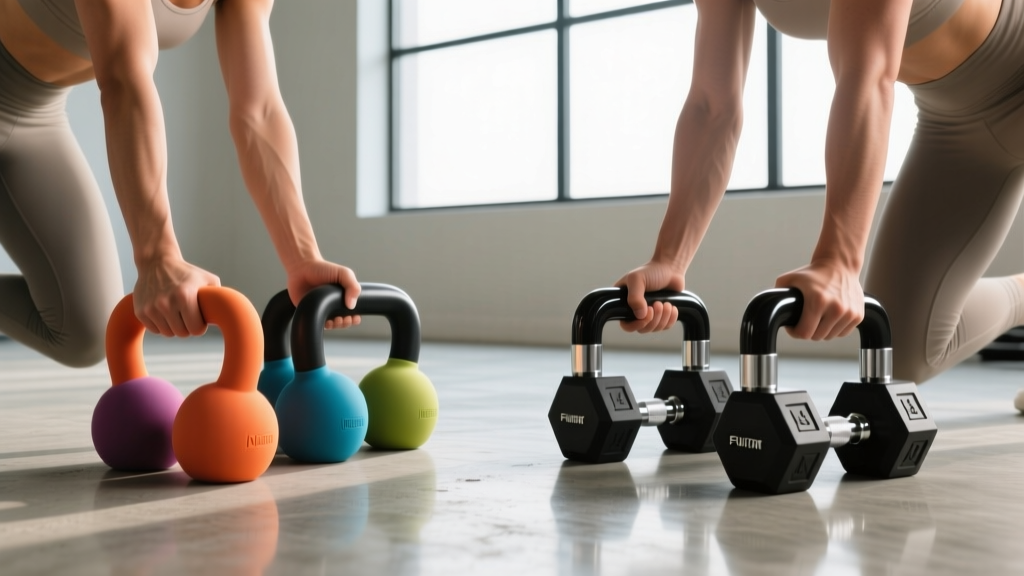
- Setup: Assume a push-up position gripping a pair of hex-core neoprene dumbbells (like the BalanceFrom). The flat hex base prevents rolling.
- Execution: Row one dumbbell to your hip while actively pressing the other into the floor to prevent hip rotation.
- Neoprene Advantage: The tacky coating prevents the handle from slipping in your palm when your hands get sweaty, a common failure point with urethane dumbbells.
- Prescription: 3 sets of 8 reps per arm.
3. Towel-Grip Dead Rows (Thick Grip Lat Pull)
Drape a thick cotton gym towel over the handles of two neoprene dumbbells. Grip the towel and perform bent-over rows. This completely removes the mechanical advantage of your fingers, forcing the brachioradialis and lats to do 100% of the work, perfectly simulating a rope-climb or thick-bar pull-up.
Pricing and Value Analysis (Cost Per Pound in 2026)
With global supply chains stabilizing in 2026, the premium for neoprene over bare cast iron has narrowed. Historically, neoprene commanded a 40% premium. Today, that gap is closer to 15-20%.
- Budget Tier (Yes4All): At $1.50/lb, this is ideal for high-rep, light-weight conditioning. However, the round core means they will roll away if placed on the floor between sets of pullovers.
- Mid-Tier (BalanceFrom GoFit): At $1.65/lb, the hexagonal anti-roll core and 35mm thick grip make this the best value for dedicated back-day training.
- Premium Tier (Amazon Basics): At $1.85/lb, you are paying for superior quality control at the handle seams, ensuring the neoprene won't peel after 12 months of heavy sweat exposure.
Final Verdict: Which Neoprene Set Wins?
If your primary goal is finding a viable pull up alternative with dumbbells, the BalanceFrom GoFit Neoprene Dumbbells take the top spot. The combination of the hex-shaped anti-roll core (essential for floor-based renegade rows and safe pullover setups) and the 35mm thick-grip handle provides a stimulus that closely mirrors the grip demands of a heavy pull-up. While the Amazon Basics offer slightly better long-term seam durability, the BalanceFrom's ergonomic advantages for back-specific training make it the ultimate tool for home gym athletes lacking a pull-up rig. For further exercise variations and form checks, consult the ACE Exercise Library to ensure your scapular retraction is optimized during every rep.
More gear to consider
All reviews
Dumbbell Racks for Weighted Sit Ups: 2026 Storage Market Trends
Barbell Guide: Knurling, Weight & Quadriceps Exercises with Dumbbells

Olympic vs Standard Plates: Mistakes & Dumbbell Toe Touches

Upgrading Dumbbell Workouts at Home: Barbell Setup & Knurl Guide
Loadable Dumbbell Care & Your Seated Dumbbell Exercises PDF
