How to Do Shoulder Dumbbell Flyes with Neoprene Weights
Learn how to perform shoulder dumbbell flyes safely at home. Our step-by-step guide covers form, muscle targets, and choosing the best neoprene weights.

The Biomechanics of Shoulder Dumbbell Flyes
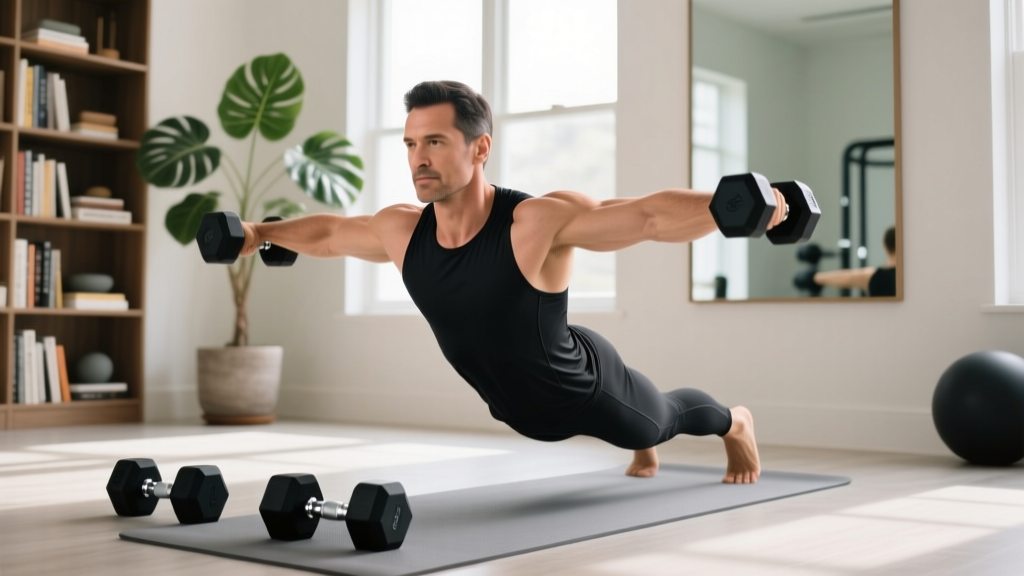
When beginners and home-gym enthusiasts search for shoulder dumbbell flyes, they are almost universally referring to the posterior deltoid reverse flye (often called a rear delt flye). While standard 'flyes' target the pectoralis major on the front of the torso, adding the word 'shoulder' shifts the biomechanical focus to the back of the shoulder capsule. This movement is crucial for posture correction, balancing out heavy pressing movements, and building the '3D' shoulder look.
Expert Clarification: According to ExRx.net's kinesiology database, this movement is technically a transverse shoulder extension with horizontal abduction. The primary movers are the posterior deltoids, while the rhomboids, middle trapezius, and infraspinatus act as vital synergists to stabilize the scapula.For home gym setups in 2026, executing this movement safely and effectively requires the right equipment. This is where neoprene-coated dumbbells become the undisputed champion for beginner home workouts.
Why Neoprene-Coated Dumbbells Are Ideal for Home Flyes
Neoprene (polychloroprene) is a synthetic rubber that is cast over an iron core. For home users, especially those performing hinged movements like shoulder dumbbell flyes where the weights hang near the floor or legs, neoprene offers distinct advantages over bare cast iron or hard rubber.
- Acoustic Dampening: Neoprene absorbs sound. If you accidentally tap the weights together at the bottom of the movement or set them down on hardwood floors, the noise is reduced by up to 60% compared to cast iron.
- Sweat-Resistant Grip: The slightly porous texture of a 2.5mm neoprene coating wicks away hand sweat, providing a secure grip during high-rep rear delt sets without the need for chalk.
- Floor and Shin Protection: The hexagonal shape combined with the soft coating protects baseboards, hardwood, and your shins during the setup phase of the hip hinge.
Material Comparison for Home Gyms
| Material | Grip Texture | Floor Safety | Avg. Cost per lb (2026) |
|---|---|---|---|
| Neoprene Coated | Matte, Tactile | Excellent | $1.80 - $2.20 |
| Virgin Rubber | Smooth, Can Slip | Good | $2.50 - $3.00 |
| Cast Iron | Knurled/Smooth | Poor | $1.20 - $1.50 |
Step-by-Step Guide: Executing the Perfect Rep
Performing shoulder dumbbell flyes with a neoprene hex dumbbell requires a strict hip hinge to isolate the rear delts. Follow this American Council on Exercise (ACE) aligned framework for optimal muscle activation.
- The Setup and Hinge: Stand with feet shoulder-width apart, holding a pair of 5 to 15 lb neoprene dumbbells. Push your hips back and hinge at the waist until your torso is nearly parallel to the floor (about a 45-degree angle). Keep a soft bend in your knees.
- The Neutral Hang: Let the dumbbells hang straight down from your shoulders, palms facing each other. The hex shape of the neoprene dumbbells will prevent them from spinning or rolling against your thighs.
- The Scapular Glide: Before lifting, allow your shoulder blades to stretch apart (protraction). Do not aggressively pinch them together yet; let the rear delts stretch.
- The Arc and Lift: With a slight 15-to-20-degree bend in your elbows, raise the dumbbells out to the sides in a wide arc. Imagine you are hugging a large barrel. Lead the movement with your elbows, not your hands.
- The Peak Contraction: Stop when your arms are parallel to the floor or slightly higher. Squeeze the rear deltoids for a full 1-second pause. Your pinky fingers should be slightly higher than your thumbs (internal rotation cue) to maximize posterior deltoid engagement.
- The Eccentric Return: Slowly lower the weights along the exact same arc over 2 to 3 seconds, resisting gravity until you feel a deep stretch in the back of the shoulder.
Common Form Breakdowns and How to Fix Them
Even with the comfortable grip of neoprene weights, beginners often fall into biomechanical traps. Here is how to troubleshoot your shoulder dumbbell flyes:
- Mistake: Standing too upright. The Fix: If your torso is above 45 degrees, you shift the load to the lateral deltoids and upper traps. Use a mirror or record your set to ensure your chest is pointing toward the floor.
- Mistake: Bending the elbows to 90 degrees. The Fix: A 90-degree bend shortens the lever arm and turns the exercise into a modified row. Maintain a 15-to-20-degree bend to keep the lever arm long and the tension on the rear delts.
- Mistake: Touching the weights together at the bottom. The Fix: Keep the dumbbells about 2 inches apart at the bottom of the movement to maintain constant mechanical tension on the muscle fibers.
Selecting the Right Neoprene Dumbbell (2026 Market Guide)
Because the rear delts are relatively small, you will not be lifting your heavy 50 lb presses. Most beginners will need neoprene dumbbells in the 5 lb to 20 lb range. Here are the top models for home use this year:
1. Yes4All Neoprene Coated Hex Dumbbells (Best Overall Value)
Priced at approximately $34.99 for a 15 lb pair, these feature a 35mm handle diameter. This thinner grip is exceptionally friendly for beginners and users with smaller hands, reducing forearm fatigue so you can focus entirely on the shoulder contraction. The color-coded neoprene makes weight identification instant.
2. CAP Barbell Comfort Grip Dumbbells (Best for Larger Hands)
Retailing around $28.50 for a 10 lb pair, CAP Barbell's neoprene line features a slightly thicker 38mm ergonomic handle. The contoured grip fits the natural curve of the palm, which is highly beneficial if you suffer from wrist extension pain during the flye arc.
3. Amazon Basics Neoprene Dumbbells (Best Micro-Loading Option)
At roughly $18.00 for a 5 lb pair, these are the perfect entry-level weights for absolute beginners learning the mind-muscle connection. The 2mm neoprene coating is slightly thinner, offering a firmer feel while still protecting your home gym flooring.
Progressive Overload with Fixed Neoprene Weights
Unlike adjustable dumbbells, you cannot simply add 2.5 lb micro-plates to a fixed neoprene dumbbell. Once you can comfortably perform 3 sets of 15 reps with your current weight, you must use advanced intensity techniques to continue growing the rear delts without buying a heavier pair immediately.
The rear deltoids are highly oxidative, meaning they recover quickly and respond best to higher rep ranges (15-25) and shorter rest periods (45-60 seconds). - National Strength and Conditioning Association (NSCA) guidelines on hypertrophy.
The 1.5 Rep Method
To double the time-under-tension without increasing the physical weight of the neoprene dumbbell, use the 1.5 rep technique. Lift the weight all the way to the top, lower it halfway down, lift it back to the top, and then lower it all the way to the starting position. That equals one rep. This creates immense metabolic stress in the posterior deltoid.
Eccentric Pauses
Perform the concentric (lifting) phase normally, but pause for 2 seconds at three distinct points during the eccentric (lowering) phase: at the top, at the 45-degree mark, and an inch above the bottom. This eliminates the stretch reflex and forces the muscle fibers to control the load purely through contractile strength.
Frequently Asked Questions
Can I do shoulder dumbbell flyes on an incline bench?
Yes. Performing chest-supported rear delt flyes on an incline bench set to 30 or 45 degrees removes the lower back from the equation. This is highly recommended if you have a history of lumbar strain or struggle to maintain a strict hip hinge. Rest your chest against the pad and let the neoprene dumbbells hang straight down before executing the arc.
Why do my traps take over during the movement?
Upper trap dominance occurs when you elevate your scapula (shrug) as you lift the weights. Focus on depressing your shoulder blades (pulling them down toward your back pockets) before initiating the lateral arc. Keeping your neck relaxed and eyes looking at the floor will also reduce unwanted trap activation.
How often should I train rear delts?
Because they assist in almost all back-pulling movements (rows, pull-downs), the rear delts get indirect work frequently. Dedicate 2 to 3 direct sessions per week of shoulder dumbbell flyes at the end of your upper body or push/pull workouts for optimal postural health and hypertrophy.
More gear to consider
All reviews
Why Are They Called Dumbbells? Loadable Dumbbell Maintenance Guide
Kettlebell Care: Cast Iron vs Competition & Dumbbells for Pecs

Beyond 10 Best Arm Exercises With Dumbbells: Barbell Knurling Guide

The Best 70 lb Dumbbell for Beginners: 2026 Adjustable Guide

How to Get a Good Workout with Dumbbells: Neoprene Guide
