Dumbbell Bench With Pivots: Olympic Barbell Weight & Knurling Guide
Compare top Olympic barbells for weight tolerance and knurling. Learn how to pair your bar with a dumbbell bench with pivots for ultimate pressing.

The Pressing Ecosystem: Barbell Knurling Meets Pivoting Benches
Building an elite free-weight station in 2026 requires more than just buying the heaviest plates you can find. It demands a deep understanding of how your equipment interacts with your biomechanics. When designing a comprehensive pressing ecosystem, lifters often hyper-focus on the bench itself, but the interface between your hands and the steel is equally critical. This guide serves as a definitive Olympic barbell buying guide focusing on weight calibration and knurling, while exploring how these barbell traits complement the rising popularity of the dumbbell bench with pivots for hypertrophy and isolation work.
Whether you are grinding out heavy triples on the flat bench or transitioning to deep-stretch flyes on a pivoting incline, the tactile feedback of your barbell’s knurl and the exactness of its weight tolerance dictate your progressive overload accuracy. Below, we put two industry titans head-to-head to help you make an informed, data-driven purchasing decision.
Head-to-Head: Rogue Ohio Bar vs. American Barbell California
To understand the nuances of Olympic barbell weight and knurling, we must look at the gold standards of the multipurpose category. The Rogue Ohio Bar (Bushing Version) and the American Barbell California Bar represent the pinnacle of 190k PSI tensile strength engineering. Both are designed to handle the rigors of powerlifting and the dynamic drops of Olympic weightlifting, but their approach to grip and finish varies significantly.
| Feature | Rogue Ohio Bar (Stainless) | AB California Bar (Hard Chrome) |
|---|---|---|
| Tensile Strength | 190,000 PSI | 190,000 PSI |
| Shaft Diameter | 28.5mm | 28.5mm |
| Weight Tolerance | +/- 1% (approx. 0.44 lbs) | +/- 1% (approx. 0.44 lbs) |
| Knurl Pattern | Volcano (Moderate) | Mountain (Moderate-Aggressive) |
| Bushing/Bearing | Composite Bushings | Composite Bushings |
| 2026 Price Range | $335 - $350 | $235 - $250 |
Decoding Knurling: Volcano vs. Mountain Patterns
Knurling is not merely a cosmetic diamond pattern etched into steel; it is a precisely machined friction surface. The Rogue Ohio Bar utilizes a 'volcano' knurl pattern. Instead of sharp, pointed peaks, the machine cuts a crater into the top of each diamond. This creates a rim of sharp edges that bites into the calluses of your hand without tearing the skin, providing a secure grip during heavy bench presses without feeling like a cheese grater during high-rep clean and jerks.
Conversely, the American Barbell California Bar employs a traditional 'mountain' knurl. The peaks are left sharper and more pronounced. For lifters with smaller hands or those who struggle with grip security during heavy pressing movements, the mountain pattern offers immediate, aggressive feedback. However, if your training involves frequent transitions between barbell pressing and high-rep Olympic movements, the aggressive mountain knurl can cause micro-tears in the palm over time.
Weight Calibration: The Hidden Cost of Cheap Tolerances
When consulting an Olympic barbell buying guide, weight and knurling are inextricably linked to the bar's overall manufacturing quality. Both the Ohio and California bars boast a +/- 1% weight tolerance. On a standard 20kg (44.09 lbs) Olympic barbell, a 1% tolerance means the bar weighs between 19.8kg and 20.2kg.
Compare this to budget import bars found on big-box marketplaces, which often carry a +/- 3% to 5% tolerance. A 5% variance means your '45 lb' barbell could actually weigh anywhere from 42.75 lbs to 47.25 lbs. While a two-pound discrepancy seems trivial to a novice, for an advanced lifter tracking progressive overload in 2.5 lb micro-increments, this variance completely invalidates your training data. When you are calculating your 1RM or following a percentage-based peaking block, knowing your bar is exactly 20kg is non-negotiable.
Expert Insight: The Center Knurl Factor
Neither the Ohio nor the California multipurpose bars feature a center knurl. If your training heavily involves low-bar back squats, you may want to look into powerlifting-specific bars (like the Rogue Ohio Power Bar) which include a center knurl to grip the back of your shirt. However, for a bench-press and dumbbell-focused routine, the absence of a center knurl prevents chest abrasion during heavy pressing and floor work.
Integrating Your Barbell With a Dumbbell Bench With Pivots
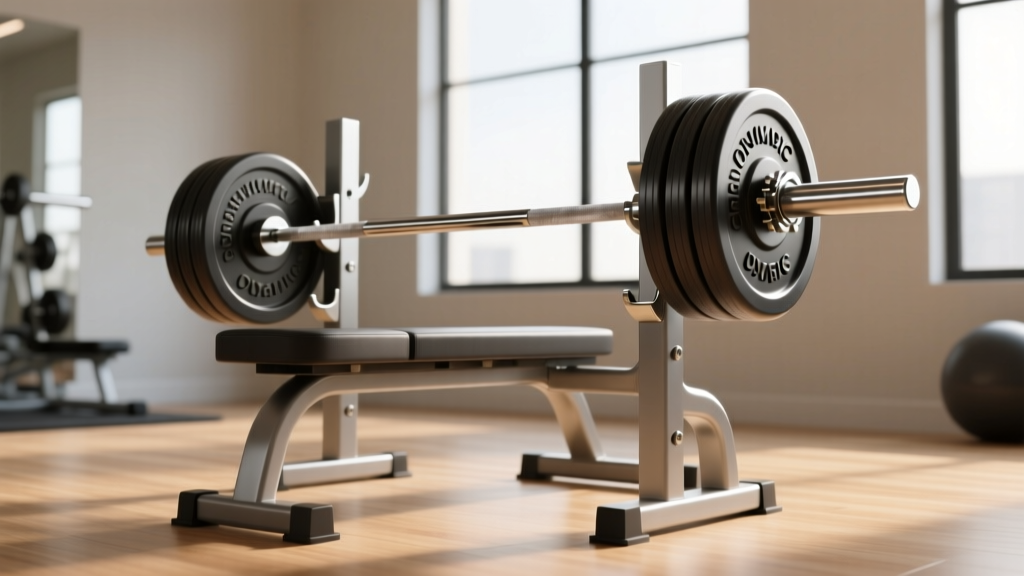
Why discuss a dumbbell bench with pivots in a barbell buying guide? Because modern hypertrophy programming relies on the seamless integration of heavy bilateral barbell work and targeted, unilateral dumbbell isolation. Benches with pivoting back pads—such as the highly adjustable REP AB-5200 2.0 or specialized pivoting fly benches—allow lifters to alter the angle of the bench mid-set or transition from flat to decline without unloading plates or manually adjusting heavy pins.
Biomechanical Transitions and CNS Fatigue
When you finish a heavy set of barbell bench presses, your central nervous system (CNS) and grip stabilizers are highly fatigued. The barbell’s knurl locks your wrists into a fixed, pronated path. Transitioning immediately to a dumbbell bench with pivots for incline flyes or pivoting presses demands a massive shift in stabilizer recruitment.
According to biomechanics principles outlined by the National Strength and Conditioning Association (NSCA), the transition from a fixed-path barbell to a free-moving dumbbell requires the rotator cuff and serratus anterior to work overtime to prevent valgus collapse. If your barbell’s knurl is overly aggressive (like a stiff mountain pattern), your grip fatigue will carry over, potentially causing premature forearm failure during your pivoting dumbbell isolation sets before your pectorals are fully stimulated. This is why the moderate 'volcano' knurl of the Rogue Ohio Bar is often preferred by bodybuilders and hypertrophy-focused lifters who utilize pivoting benches for high-volume accessory work.
Metallurgy and Maintenance: Protecting Your Investment
The environment of your home gym dictates which barbell finish you should buy. In 2026, climate-controlled garages are common, but humidity fluctuations still destroy cheap steel.
- Stainless Steel (Rogue Ohio): Offers near-identical corrosion resistance to bare steel but without the maintenance. The knurl remains sharp for decades because there is no thick layer of chrome or zinc filling in the machined valleys of the diamond pattern.
- Hard Chrome (AB California): Highly resistant to rust and chipping. However, the chrome plating process slightly rounds off the sharpest peaks of the knurl, making a 'mountain' pattern feel more like a 'hill' over time compared to bare or stainless steel.
- Cerakite: A ceramic-polymer coating that offers incredible color options and rust resistance, but can wear away in the knurling zone after years of heavy chalk use and aggressive grip friction.
Pro-Tip for Pivoting Bench Setups: When storing your barbell near a pivoting dumbbell bench, ensure the bar’s sleeves do not rest against the bench’s pivot hinges or adjustment levers. The repeated metal-on-metal contact from bench adjustments can scratch the bar's zinc or chrome finish, creating oxidation entry points.
Final Verdict: Matching the Bar to Your Training Style
If your training revolves around heavy, low-rep powerlifting and you rarely use a dumbbell bench with pivots for high-rep isolation, the aggressive grip and specialized power bars are your best route. However, for the vast majority of home gym owners balancing heavy barbell pressing with dynamic, pivoting dumbbell hypertrophy work, the Rogue Ohio Bar in Stainless Steel remains the undisputed king of versatility. Its exact +/- 1% weight tolerance ensures your progressive overload data is flawless, while its volcano knurl provides enough friction to secure a 300 lb bench press without destroying your hands for the subsequent dumbbell flyes.
For those on a stricter budget who still demand elite weight calibration, the American Barbell California Bar offers the same 190k PSI tensile strength and 1% weight tolerance at nearly $100 less, making it the best value proposition in the free-weight market today. Whichever you choose, pairing a precision-machined Olympic barbell with a high-quality pivoting bench will future-proof your pressing mechanics for years to come.
More gear to consider
All reviews
Beyond the Dumbbells Emoji: Olympic vs Standard Plates Setup
Power Rack vs Squat Stand: Setup for Dumbbell Workout Squats
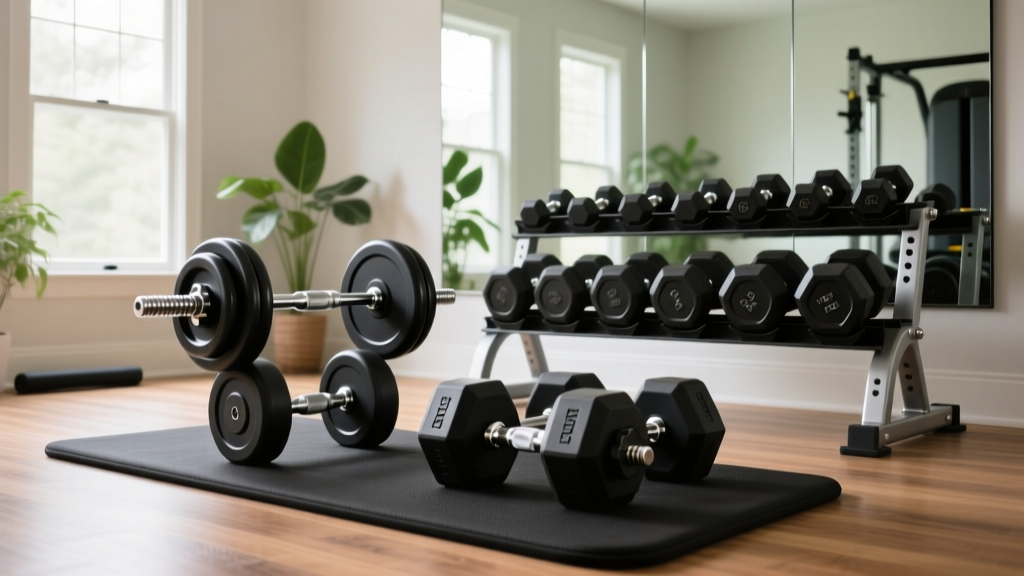
Bumper vs Iron Plate Comparison: Kneeling Dumbbell Press Setup Guide
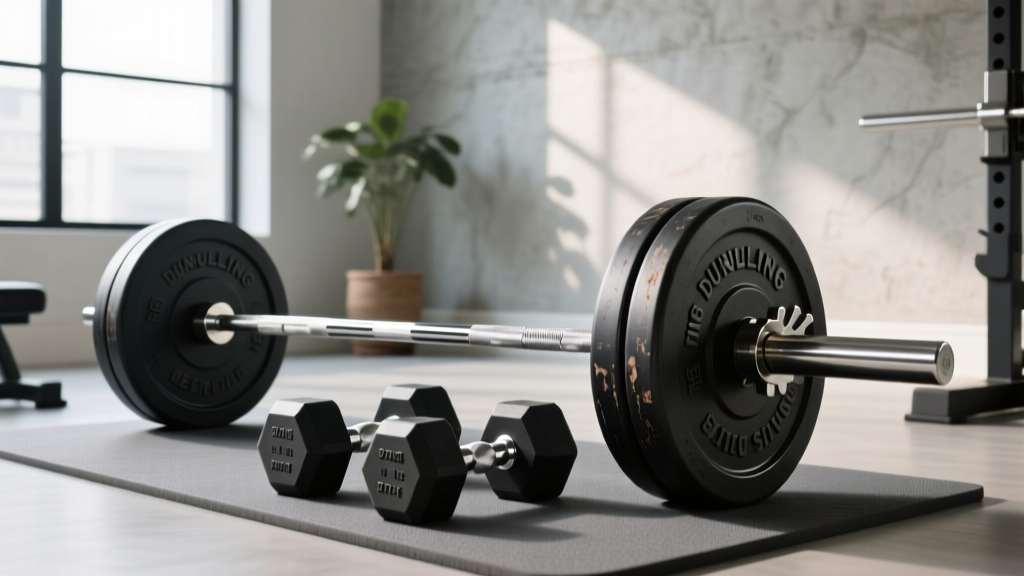
Barbell Knurling & Weight Guide: Seated Dumbbell Rear Delt Fly
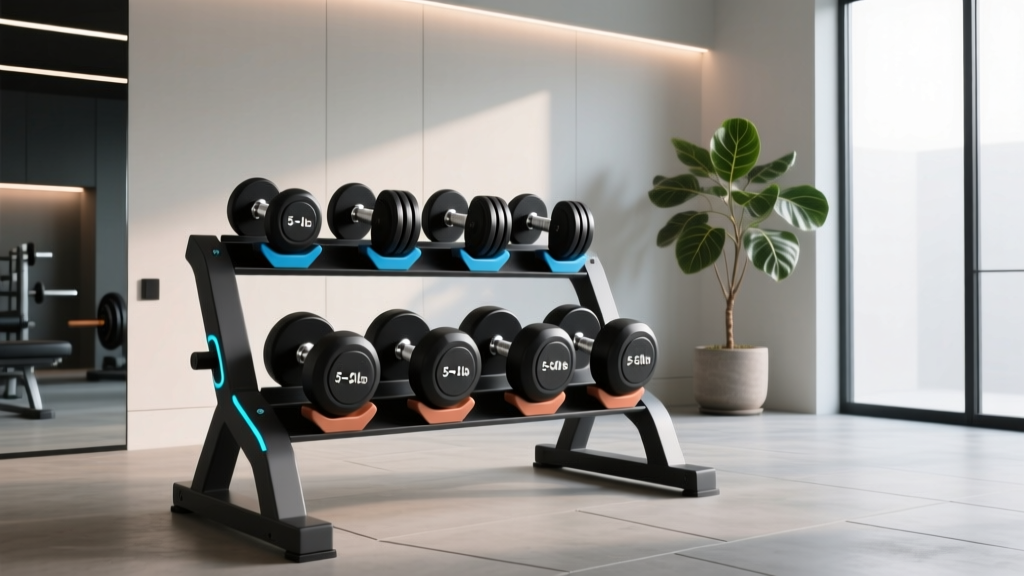
2026 Dumbbell Rack Trends: Optimizing Proper Incline Dumbbell Press