
Loadable Dumbbell Care for Rear Delt Workouts with Dumbbells
Learn essential maintenance for loadable dumbbells to ensure smooth, safe rear delt workouts with dumbbells. Discover cleaning, lubrication, and storage tips.

The Unique Toll of Rear Delt Workouts with Dumbbells on Adjustable Gear
When building a comprehensive home gym, loadable dumbbells with interchangeable plates are a cornerstone investment. Models like the Ironmaster Quick-Lock V2 ($359/pair) or the Nuobell 80lb ($349/pair) offer the versatility of a full dumbbell rack in a compact footprint. However, not all exercises treat your equipment equally. When executing rear delt workouts with dumbbells—such as bent-over lateral raises, seated face pulls, and chest-supported rear delt flyes—your equipment is subjected to a unique and highly destructive combination of biomechanical stress, sweat gravity, and chalk infiltration.
According to biomechanical analyses of the posterior deltoid, isolation movements require sustained pronated or neutral grips while the torso is hinged forward. In this inverted position, sweat and moisture do not drip onto the floor; they run directly down the knurled handle and pool into the collar, dial, or locking pin mechanisms. Over time, this specific moisture exposure, combined with the magnesium carbonate (chalk) used to maintain grip during high-rep rear delt burnout sets, creates a corrosive paste that seizes adjustable mechanisms and degrades interchangeable plates.
⚠️ Warning: The Chalk-Sweat SlurryNever use liquid chalk on dial-based or twist-lock loadable dumbbells. The alcohol base carries the magnesium deep into the internal selector grooves, permanently fusing the moving parts once it dries.
Loadable Dumbbell Mechanisms: Failure Points & Longevity Fixes
To maximize the lifespan of your interchangeable plate system, you must understand the specific failure modes of your dumbbell's locking mechanism. Maintenance is not one-size-fits-all.
1. Threaded Spinlock Collars (e.g., CAP Barbell, Yes4All)
Traditional loadable dumbbells use a threaded steel or aluminum handle with a spinlock nut. The primary failure mode here is galvanic corrosion and thread stripping. When sweat (which is highly saline) dries on the threads, it causes micro-rusting that makes the collar impossible to remove without a pipe wrench.
- The Fix: Every 4 weeks, completely unscrew the collar. Use a wire brush to clear debris from the handle threads. Apply a thin layer of white lithium grease (not WD-40, which attracts dust and dries out) to the threads. This prevents salt corrosion and ensures smooth plate changes mid-workout.
2. Quick-Twist & Dial Systems (e.g., Nuobell, Bowflex 552)
These systems rely on internal spiral grooves and plastic/metal selector forks. During rear delt flyes, the wrist naturally supinates and pronates, placing lateral torque on the handle. If chalk is present, it grinds into the spiral tracks, causing the dial to click without engaging the plate.
- The Fix: Use canned compressed air to blow out the selector track weekly. Once a month, apply a dry PTFE (Teflon) lubricant spray into the mechanism. Dry PTFE evaporates quickly and leaves a slick film that repels dust and chalk, unlike wet oils which create a grinding paste.
3. Bolt & Pin-Lock Systems (e.g., Ironmaster Quick-Lock V2, PowerBlock)
Pin-lock and screw-lock systems are incredibly durable but suffer from 'pin-sticking.' The sheer lateral force of holding a heavy dumbbell in a bent-over rear delt row can cause the steel locking pin or screw to bind against the internal plate housing due to microscopic misalignment.
- The Fix: Never drop pin-lock dumbbells, as this bends the internal guide rods. Wipe the locking pins with isopropyl alcohol (70% or higher) after every session to remove acidic sweat, and lightly coat the pin shaft with 3-in-One oil to reduce friction during insertion.
Maintenance Schedule & Lubricant Matrix
Using the wrong lubricant is the fastest way to ruin a loadable dumbbell. Refer to this matrix to ensure you are using the correct chemical agent for your specific equipment type.
| Mechanism Type | Recommended Lubricant | Avoid At All Costs | Frequency |
|---|---|---|---|
| Threaded Spinlock | White Lithium Grease | WD-40, Silicone Spray | Monthly |
| Dial / Twist Selector | Dry PTFE (Teflon) Spray | Wet Oils, Grease, Liquid Chalk | Bi-Monthly |
| Pin / Bolt Lock | 3-in-One Multi-Purpose Oil | Thick Greases | Weekly |
| Knurled Steel Handles | 3-in-One Oil + Nylon Brush | Bleach, Ammonia, Wire Brushes | Weekly / Monthly |
Step-by-Step Knurling & Plate Restoration Protocol
The knurling on your loadable dumbbell handle is critical for rear delt workouts with dumbbells, where grip fatigue often precedes posterior deltoid failure. Dead skin, chalk, and oxidized sweat will pack into the knurl diamonds, turning an aggressive grip into a smooth, slippery hazard.
The 5-Minute Post-Workout Wipe Down
- Neutralize the Acid: Human sweat has a pH between 4.5 and 7.0, making it mildly acidic and highly corrosive to bare steel and zinc coatings. Immediately after your workout, spray the handles with a 50/50 mix of distilled water and isopropyl alcohol.
- Wipe, Don't Smear: Use a microfiber cloth to wipe the handle. Avoid cotton towels, which leave lint trapped in the knurling.
- Dry Completely: Moisture is the enemy. Ensure the handle and the plate interface are bone-dry before returning them to the rack.
Deep Cleaning the Knurl (Monthly)
For a deeper clean, follow the Rogue Fitness Barbell Care Guide methodology, which applies equally to high-quality loadable dumbbell handles. Apply a few drops of 3-in-One oil directly to a stiff nylon-bristle brush. Scrub the knurling in a circular motion to lift embedded chalk and dead skin. Wipe away the excess oil and debris with a clean microfiber cloth. Never use a brass or stainless steel wire brush on zinc or chrome-plated handles, as this will strip the protective coating and guarantee rust.
Storage & Environmental Controls for Interchangeable Plates
How you store your interchangeable plates and loadable handles between rear delt sessions dictates their decade-long survivability. Rubber and urethane-coated plates (like those from REP Fitness or Rogue) are susceptible to UV degradation and temperature-induced off-gassing.
'Storing urethane or rubber-coated free weights in unclimate-controlled garages where temperatures swing from freezing to over 90°F will accelerate the breakdown of the polymer bonds, leading to cracking, flaking, and a permanent foul odor.' — Eleiko Equipment Care Guidelines
Optimal Storage Parameters:
- Temperature: Maintain a stable room temperature between 65°F and 75°F (18°C - 24°C).
- Humidity: Keep relative humidity below 50%. If you live in a humid climate, run a dehumidifier in your gym space to prevent flash-rusting on the bare steel of the interchangeable plates.
- UV Protection: Keep dumbbells out of direct sunlight. UV rays will bleach and brittle the rubber bumpers and plastic selector dials on models like the Bowflex or Nuobell.
FAQ: Troubleshooting Common Loadable Dumbbell Issues
Why do my interchangeable plates rattle during rear delt flyes?
Rattling occurs when there is a tolerance gap between the plate's center hole and the dumbbell sleeve. During isolation movements like rear delt flyes, the continuous change in momentum highlights this gap. To fix this on spinlock dumbbells, ensure you are using a snug-fitting collar and tightening it flush against the plate. For quick-lock systems, ensure the O-rings on the locking screws are intact and providing tension.
Can I use WD-40 to clean my loadable dumbbells?
No. Standard WD-40 is a solvent and water-displacer, not a long-term lubricant. It will strip away existing factory grease from internal selector mechanisms and leave a sticky residue that attracts chalk and dust, eventually causing the dial to jam. Always use purpose-built lubricants like Dry PTFE or 3-in-One oil.
How do I remove white oxidation from my rubber-coated plates?
White oxidation on rubber plates is a normal chemical reaction to UV light and ozone. You can restore the deep black color by wiping the plates down with a silicone-based protectant (like Armor All or a dedicated rubber restorer). Apply the protectant, let it sit for 10 minutes, and buff it dry to prevent the dumbbell from becoming slippery during your next workout.
More gear to consider
All reviews
Barbell Collar Types: Securing Weights for Reverse Fly Dumbbell Form

Rubber Hex vs Urethane: Dumbbell Side-by-Side 2026 Market Analysis
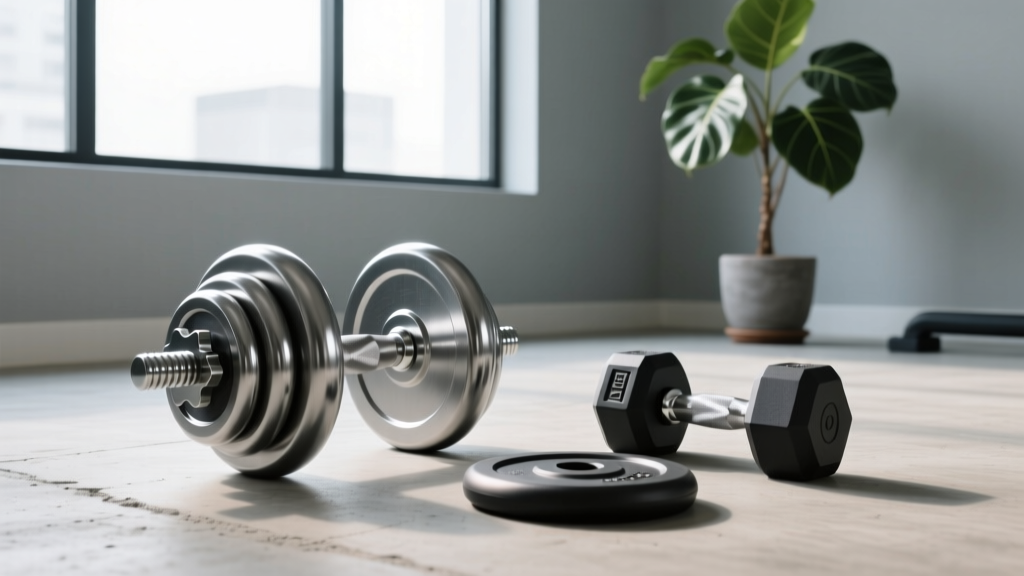
Beyond Water Exercises With Dumbbells: Olympic vs Standard Plates
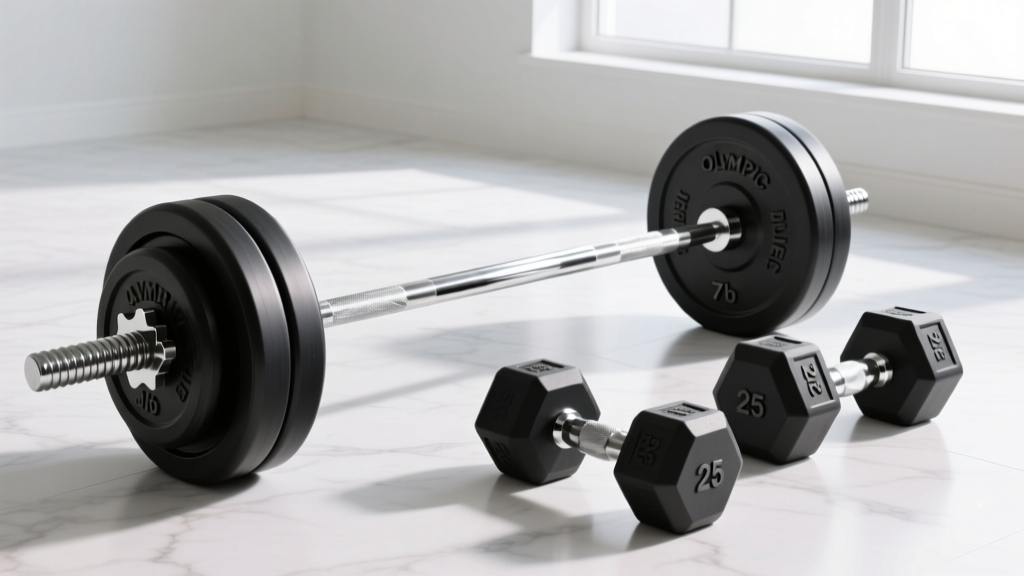
Olympic Barbell Weight & Knurling vs Press Dumbbells 2026
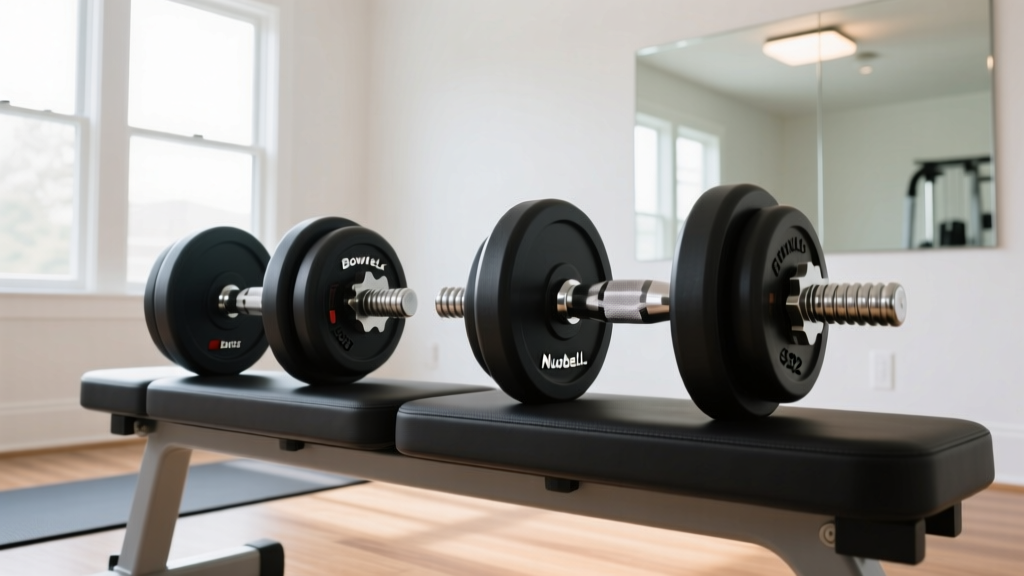
Bowflex vs Nuobell: Best for Dumbbell Chest Flys on Bench?
