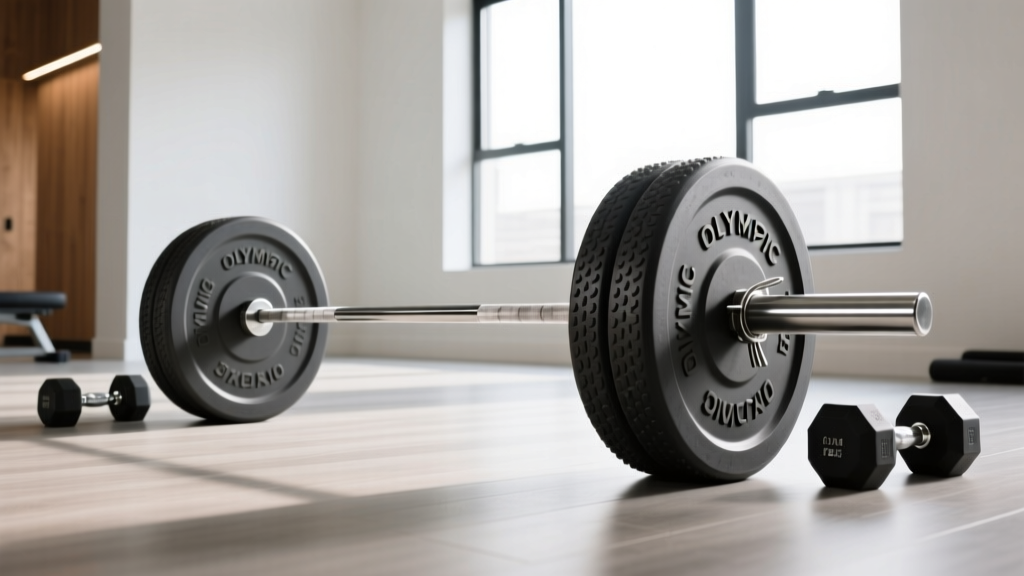
Olympic vs Standard Plates Guide + Good Dumbbell Exercises for Chest
Discover the core differences between Olympic vs standard weight plates, plus a beginner-friendly guide to good dumbbell exercises for chest growth.

Building a home gym in 2026 is one of the smartest investments you can make for your long-term health, but the sheer volume of equipment options can paralyze beginners. Two of the most common hurdles new lifters face are choosing the right weight plate types (Olympic vs standard) and figuring out how to effectively use that gear once it arrives. Whether you are loading up a barbell or threading 1-inch plates onto spin-lock dumbbell handles, understanding your equipment is the first step toward building a stronger physique.
In this beginner-friendly guide, we will break down the critical differences between standard and Olympic weight plates, complete with current pricing and model recommendations. Then, we will transition to the rack and walk you through a step-by-step routine featuring some of the best, most effective movements for upper body development.
The Anatomy of a Weight Plate: 1-Inch vs. 2-Inch Holes
The entire debate between Olympic and standard plates boils down to a single measurement: the diameter of the center hole. This seemingly minor detail dictates the type of barbells, dumbbell handles, and weight storage racks you can use.
⚠️ Beginner Warning: Never attempt to force a 2-inch Olympic plate onto a 1-inch standard barbell sleeve. Conversely, using 1-inch standard plates on an Olympic barbell without a specialized sleeve adapter will result in dangerous wobbling, uneven weight distribution, and potential injury.Standard Weight Plates (1-Inch Center Hole)
Standard plates feature a 1-inch (approx. 25mm) center hole. They are typically paired with lightweight, solid-steel barbells and adjustable spin-lock dumbbell handles. Because the sleeves on standard equipment are narrower, the overall weight capacity is significantly lower—usually maxing out between 200 and 300 pounds per barbell.
- Best Models: CAP Barbell 1-Inch Cast Iron Plates, Yes4All Standard Iron Plates.
- 2026 Pricing: Generally ranges from $1.00 to $1.50 per pound.
- Pros: Highly affordable, widely available at big-box sporting goods stores, and perfectly adequate for light isolation work or beginner dumbbell loading.
- Cons: Limited weight capacity, sleeves fill up quickly (a 14-inch spin-lock dumbbell handle maxes out around 35-40 lbs per hand), and the bars often lack the tensile strength for heavy compound lifting.
Olympic Weight Plates (2-Inch Center Hole)
Olympic plates feature a 2-inch (approx. 50mm) center hole, designed to fit on Olympic barbells and heavy-duty plate-loaded machines. The larger sleeve accommodates roller bearings or bronze bushings, allowing the barbell to spin smoothly during dynamic lifts like cleans and snatches. According to equipment standards outlined by the National Strength and Conditioning Association (NSCA), Olympic gear is the universal standard for commercial gyms and serious home setups due to its superior durability and load capacity.
- Best Models: Rogue Deep Dish Lifters, REP Fitness Iron Plates, Titan Fitness Elite Bumpers.
- 2026 Pricing: Ranges from $1.60 to $3.50+ per pound, depending on whether you buy cast iron, machined steel, or rubber bumpers. Check the Rogue Fitness weight plate catalog for current premium benchmarks.
- Pros: Massive weight capacity (500 to 1,000+ lbs), highly durable, compatible with almost all commercial gym accessories, and retains high resale value.
- Cons: Higher upfront cost and requires a larger financial investment in compatible Olympic barbells and racks.
Head-to-Head Comparison Matrix
| Feature | Standard Plates (1-Inch) | Olympic Plates (2-Inch) |
|---|---|---|
| Center Hole | 1 inch (25mm) | 2 inches (50mm) |
| Max Bar Capacity | 200 - 300 lbs | 500 - 1,000+ lbs |
| Avg. Cost per Pound | $1.00 - $1.50 | $1.60 - $3.50+ |
| Dumbbell Use | Spin-lock handles (max ~40 lbs/hand) | Requires specialized Olympic dumbbell handles or loadable dumbbells (e.g., IronMind) |
| Best For | Budget beginners, light isolation, apartment gyms | Long-term progression, heavy compounds, powerlifting |
Transitioning to the Workout: Plate-Loaded Dumbbells
If you opted for the budget-friendly Standard 1-Inch Plates, you likely purchased a pair of 14-inch spin-lock dumbbell handles. These are excellent tools for home chest workouts. While the sleeve length limits your maximum weight, it is more than enough for beginners to master form, build mind-muscle connection, and stimulate hypertrophy in the pectoralis major.
Below, we outline a highly effective, beginner-friendly routine. For deeper biomechanical breakdowns of these movements, refer to the ExRx.net Dumbbell Bench Press guide, a gold-standard database for exercise kinesiology.
4 Good Dumbbell Exercises for Chest (Step-by-Step)
Grab your loaded standard dumbbells (or adjustable dumbbells if you have them) and follow this step-by-step sequence. Rest 90 to 120 seconds between sets to allow for ATP replenishment in the muscle fibers.
1. Flat Dumbbell Floor Press
Why it works: If you don't have a weight bench, the floor press is your best friend. The floor acts as a physical stopper, preventing your elbows from traveling too far past your torso. This protects the anterior deltoids and rotator cuff while heavily targeting the triceps and the sternal (mid/lower) chest.
- Lie flat on your back on a yoga mat, knees bent, feet flat on the floor.
- Hold the dumbbells over your chest with a neutral grip (palms facing each other) or pronated grip (palms facing your feet).
- Lower the weights slowly until your triceps gently touch the floor. Pause for 1 second to eliminate momentum.
- Press the dumbbells back up explosively, squeezing your chest at the top.
- Prescription: 3 sets of 10-12 reps.
2. Dumbbell Hex Press (Squeeze Press)
Why it works: This movement provides constant tension on the inner chest, a region that is often neglected during standard pressing.
- Lie on the floor (or a bench), holding the dumbbells directly over your chest.
- Press the inner heads of the dumbbells together as hard as you can. Maintain this inward squeezing pressure throughout the entire set.
- Lower the weights together until they lightly tap your chest.
- Press back up while maintaining the inward squeeze.
- Prescription: 3 sets of 12-15 reps (use slightly lighter weight than your standard press).
3. Incline Dumbbell Flyes (Using a Propped Bench or Stability Ball)
Why it works: Flyes isolate the pectoral muscles by removing the triceps from the movement equation. Using a stability ball to create an incline shifts the focus to the clavicular (upper) head of the chest.
- Position your upper back on a stability ball so your torso forms a 30-to-45-degree incline. Keep your hips low and core tight.
- Hold the dumbbells above your chest with a slight bend in your elbows (imagine you are hugging a large barrel).
- Slowly open your arms wide, lowering the weights until you feel a deep stretch across your chest.
- Reverse the motion, bringing the weights back together using only your chest muscles.
- Prescription: 3 sets of 10-12 reps.
4. Single-Arm Dumbbell Pullover
Why it works: The pullover works the chest through a completely different range of motion (shoulder extension rather than horizontal adduction), targeting the serratus anterior and the lower lats alongside the pecs.
- Lie perpendicular across a bench or stability ball, supporting only your upper back. Your hips should be slightly lowered.
- Hold a single dumbbell by the inner plate with both hands, arms extended straight over your chest.
- Keeping your arms relatively straight, slowly lower the dumbbell backward over your head until you feel a stretch in your lats and ribcage.
- Pull the weight back over your chest using your chest and lat muscles.
- Prescription: 3 sets of 10 reps per side.
Pro-Tip for Standard Plate Users: When loading spin-lock dumbbell handles for flyes or pullovers, ensure the star-nut collars are tightened securely with a wrench or pliers. The rotational forces during flyes can slowly loosen hand-tightened collars, creating a safety hazard.
Final Thoughts on Gear and Growth
Choosing between Olympic and standard weight plates ultimately depends on your budget, space, and long-term strength goals. Standard 1-inch plates are a fantastic, low-barrier entry point for beginners looking to master foundational movements. By pairing a modest set of cast-iron standard plates with a pair of spin-lock dumbbell handles, you unlock access to dozens of highly effective, muscle-building routines—including the good dumbbell exercises for chest outlined above.
As you progress and your pressing strength exceeds 50 pounds per hand, you can confidently upgrade to an Olympic barbell and 2-inch plates, knowing you have already built a rock-solid foundation of form and muscular endurance.
More gear to consider
All reviews
Best Neoprene Dumbbells for Side Plank with Dumbbell Reach 2026
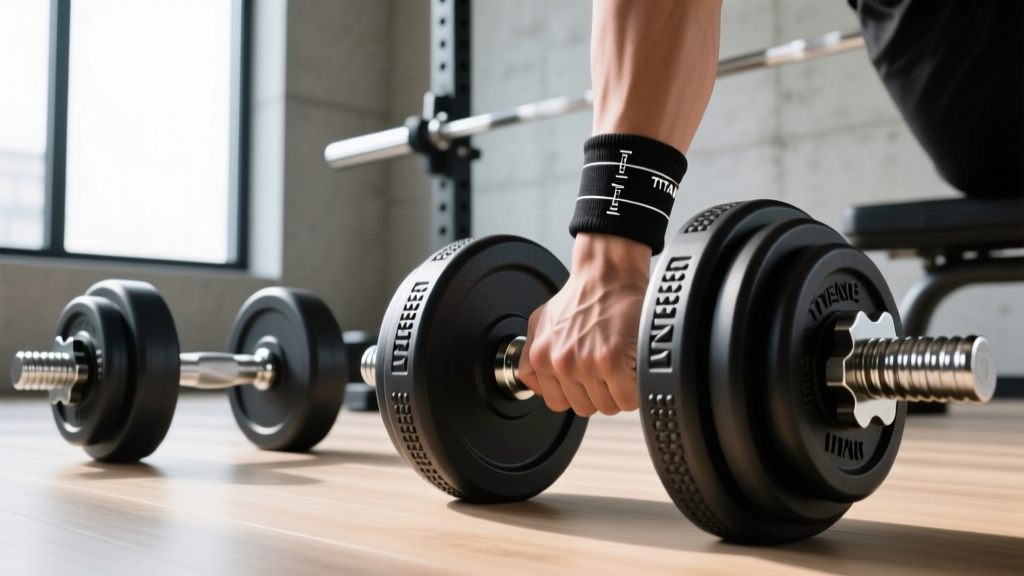
Titan Dumbbells Hands-On: Best Loadable Plate Picks 2026

Barbell Clamp Setup: Types Compared & Ten Pound Dumbbell Test
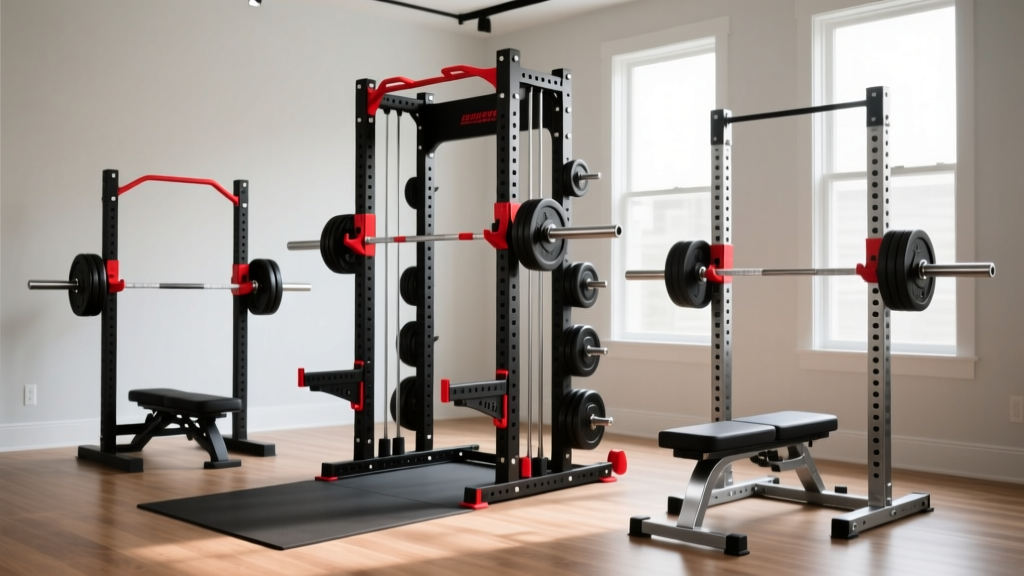
Power Rack vs Squat Rack vs Stand for Upper Body Dumbbell Workouts
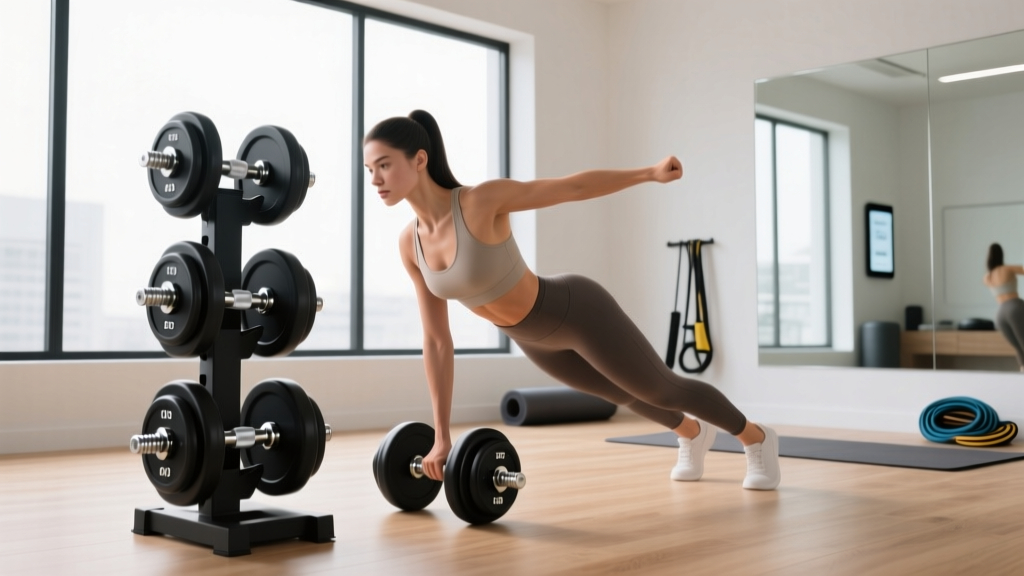
Loadable Dumbbells Trend: Perfecting Incline Dumbbell Kickbacks